
Owning property in Ghana comes with responsibilities beyond maintaining the building or land. One of the key obligations is paying property tax, a levy that ensures communities can function and develop. These taxes are not simply charges imposed by the government—they serve as a financial backbone for local development, helping municipalities deliver essential services that improve the quality of life for residents.
Property taxation is overseen by local authorities such as Municipal and District Assemblies, and the funds collected are channeled into infrastructure, sanitation, schools, and healthcare facilities. For property owners, understanding how these taxes work is crucial, not only for compliance but also for making informed real estate decisions.
Read Also: Tax Registration in Ghana: Insights from a Tax Consultant
Who Has to Pay Property Tax?
In Ghana, the responsibility for property tax lies squarely with the owner of the property. Whether you are an individual homeowner, a company with office space, or an organization holding land, you are required to pay taxes on your real estate. This obligation applies to both residential and commercial holdings.
Tenants are not directly responsible for paying property taxes, but landlords may include the cost in rental agreements. This means renters may still feel the indirect impact of property taxation, even though they are not the ones dealing with the Municipal or District Assemblies.
How Property Values Are Determined for Tax Purposes
The amount you pay in property tax is linked to the assessed value of your property. This assessment is carried out by the Lands Valuation Division (LVD) of the Lands Commission.
Several factors influence the final figure, including:
- Location: Properties in high-demand areas such as Accra’s central districts or upscale neighborhoods attract higher valuations.
- Size: Larger plots and buildings generally carry higher values.
- Age and Condition: Well-maintained or newer buildings are often assessed at higher amounts compared to older, deteriorating structures.
- Upgrades and Improvements: Renovations or expansions increase the assessed value of a property, leading to higher tax obligations.
It’s worth noting that the assessed value is not the same as market value. While market value reflects what buyers are willing to pay, the assessed value exists purely for taxation purposes.
Tax Rates Across Ghana
Property tax rates are not fixed nationwide but fall within a range set by law. Typically, rates vary between 0.5% and 3% of a property’s assessed value each year. The exact percentage depends on where the property is located and the decisions of local authorities.
Urban properties, particularly in Accra or Kumasi, often attract higher rates compared to rural areas. Additionally, the use of the property matters: residential buildings usually enjoy lower rates, while commercial or industrial facilities are taxed more heavily. For investors, these distinctions are important to consider when projecting returns.
Exemptions and Reductions Available
Not every property is taxed equally. Ghana offers exemptions and reliefs to encourage development and protect vulnerable groups:
- Owner-occupied homes may qualify for reduced rates or exemptions.
- Agricultural land is often taxed at a lower rate or exempted to encourage farming.
- Religious and charitable institutions may be granted reliefs if their properties are used for non-commercial purposes.
- Affordable housing projects can benefit from incentives, particularly when aimed at lower-income households.
These exemptions vary depending on local government policies, so it is wise to confirm eligibility with your local assembly.
How and When to Pay
Property taxes in Ghana are paid annually. The deadline differs across municipalities, so owners must monitor announcements from their respective local authorities. Once the bill is issued, it details the assessed value, applicable tax rate, and total amount owed.
Payment methods have become more flexible in recent years. Property owners can:
- Pay in person at their Municipal or District Assembly office.
- Use bank branches authorized to collect property taxes.
- Take advantage of digital payment systems where available, which streamline the process and reduce the need for in-person visits.
Delaying payment can result in penalties, interest charges, or in extreme cases, enforcement actions such as auctioning off the property. Staying current with taxes helps avoid unnecessary stress and financial strain.
Why Paying Property Taxes Matters
Although property taxes may seem like another financial burden, they bring tangible benefits:
- Community Development: Funds from property taxes go directly into building and maintaining roads, drainage systems, and utilities.
- Improved Services: Essential services like education, security, and healthcare depend heavily on these revenues.
- Increased Property Value: Areas with strong infrastructure and public services attract buyers and investors, raising property values over time.
- Legal Compliance: Meeting tax obligations keeps owners on the right side of the law, protecting them from fines and reputational harm.
By paying property taxes, property owners play a role in shaping stronger and more livable communities.

Conclusion
Property taxation in Ghana is more than just a fiscal duty—it is a way for property owners to contribute to the growth and sustainability of their communities. Understanding how values are assessed, the applicable tax rates, and available reliefs ensures that you stay compliant while also managing your real estate investments wisely.
For those planning to invest, being informed about taxation is as important as choosing the right location or type of property. Doing so allows investors and homeowners alike to safeguard their interests while also supporting the development of Ghana’s towns and cities.
Common Questions About Property Tax in Ghana
How often do I have to pay property tax?
Property taxes are generally paid once a year, though the exact deadlines vary depending on your Municipal or District Assembly.
Can I dispute the value placed on my property?
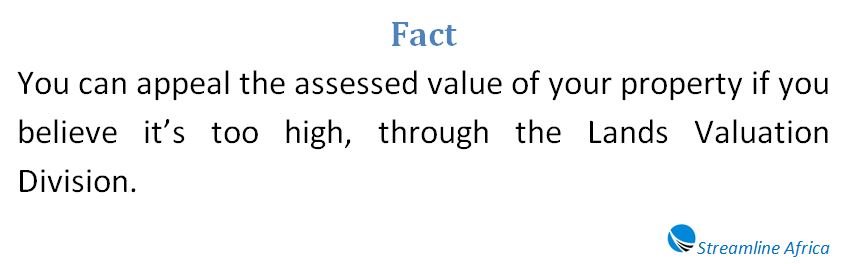
Yes. If you believe the valuation is too high, you can file an appeal through the Lands Valuation Division for reassessment.
What happens if I miss the payment deadline?
Late payments attract penalties and interest. Continued non-payment can even result in legal action, including the auction of your property.
How do I know the tax rate in my area?
The best approach is to contact your Municipal or District Assembly directly, as rates differ from one jurisdiction to another.
Are there deductions I can apply for?
Deductions are limited, but some maintenance or improvement expenses may be deductible. Consulting a tax advisor is recommended.