
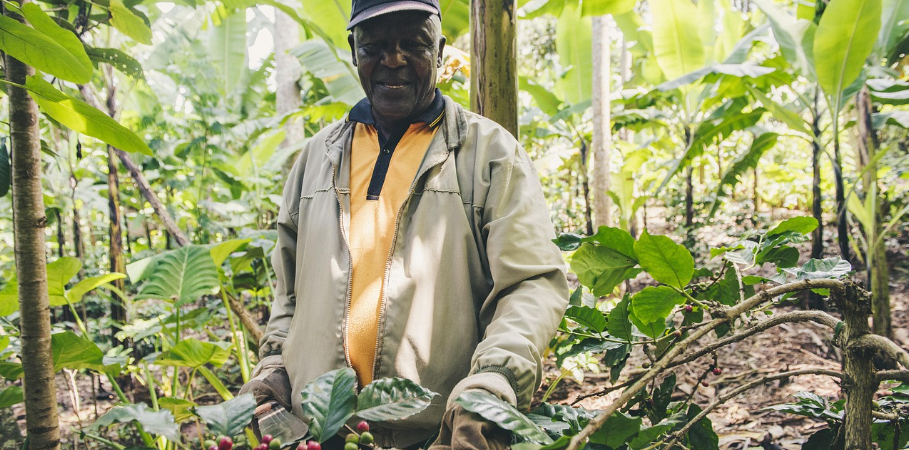
Farming has always been at the heart of Ghana’s economy, feeding millions and providing livelihoods across rural communities. Yet, in recent years, farmers have faced mounting financial pressures from rising input costs, unpredictable weather patterns, and limited access to credit. As global and local markets evolve, Ghanaian farmers—especially smallholders—must find innovative ways to secure funding when it matters most.
Agriculture contributes significantly to Ghana’s GDP and employs nearly half of the workforce. However, access to finance remains a persistent challenge. Many farmers rely on personal savings or informal lending groups to fund their operations, leaving them vulnerable during difficult seasons. Understanding when and how to seek funding is crucial for building sustainable farming enterprises that can thrive year-round.
Ghana’s Seasonal Farming Realities
Agriculture in Ghana follows distinct rainy and dry seasons that heavily influence cash flow. Farmers typically make large investments at the start of the rainy season—buying seeds, fertilizer, herbicides, and paying for labor. Yet, they often wait months before they can harvest and sell their crops. This delay creates financial strain, especially for small-scale farmers who lack savings or credit facilities.
For example, maize and rice farmers in regions such as the Bono East, Northern, and Upper West Regions face long gaps between planting and harvest. Similarly, cocoa farmers in the Ashanti and Western North Regions must invest heavily during the early stages of production while waiting for the October–March harvest to earn income. These cycles make it essential for farmers to manage finances strategically or risk running out of cash before yields come in.
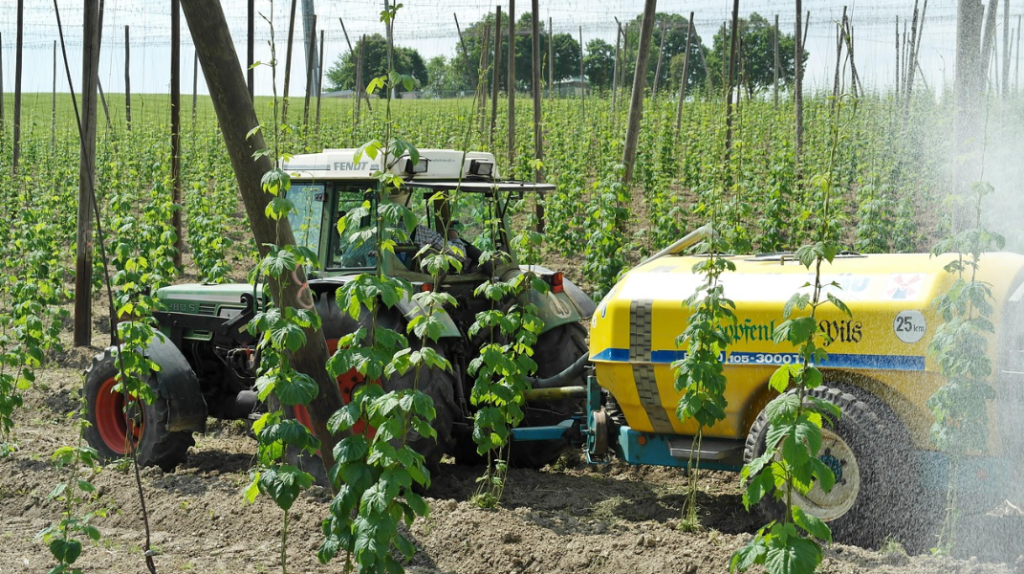
A Growing Sense of Uncertainty Among Farmers
Across Ghana’s farming communities, many farmers are anxious about their financial future. Unpredictable rainfall, rising fuel and fertilizer prices, and fluctuations in the cedi have eroded profits. Recent reports from the Ministry of Food and Agriculture (MoFA) and various farmer associations indicate that smallholder farmers feel squeezed between high input costs and volatile produce prices.
Meanwhile, larger agribusinesses with access to investment capital and export markets are better positioned to absorb these shocks. Many have adopted modern techniques such as precision farming, mechanization, and commodity hedging. Small family-run farms, on the other hand, struggle to keep up without structured access to affordable financing.
Despite these challenges, Ghanaian farmers remain resilient—constantly finding creative ways to sustain production and adapt to changing conditions.
Taking Control of What Farmers Can Manage
While farmers cannot control the weather or global market forces, they can plan ahead financially. The key lies in identifying specific funding needs before the situation becomes critical.
Some farmers require short-term loans to buy fertilizer or pay workers at the start of the season. Others may need medium-term financing to purchase tractors, irrigation systems, or improved storage facilities. For those planning long-term growth, development loans for land expansion or agro-processing ventures may be ideal.
By clearly understanding what type of financing is needed, farmers can choose the right lending institution and avoid borrowing beyond their means. Financial literacy—knowing how to calculate returns, manage repayments, and budget for the next season—is equally important in sustaining farm operations.
Available Funding Sources for Ghanaian Farmers
Ghana has several institutions and programs designed to support farmers financially. The Agricultural Development Bank (ADB) and Ghana EXIM Bank offer credit lines tailored to different value chains, including cocoa, rice, maize, and shea. Similarly, the Ghana Incentive-Based Risk Sharing System for Agricultural Lending (GIRSAL) helps reduce lending risks for banks so that more financial institutions are encouraged to fund agribusinesses.
Farmers can also explore MASLOC (Microfinance and Small Loans Centre) for microloans, the Development Bank Ghana (DBG) for long-term financing, or Fidelity Bank’s Green Finance initiative for sustainable farming projects.
In addition, international organizations such as USAID’s Feed the Future, GIZ, and IFAD continue to collaborate with Ghanaian financial institutions to expand credit access for smallholder farmers—particularly women and youth engaged in agribusiness.
Read More: Government Loans in Ghana: How Entrepreneurs Can Access Public Funding
The Importance of Timing in Seeking Finance
Many Ghanaian farmers wait until the planting season starts before seeking loans, but this often limits their options. Banks and cooperatives tend to prefer lending when farmers have healthy cash flows—such as right after harvest, when records of sales and yield performance are still fresh.
Applying for credit during a strong financial period allows farmers to negotiate better interest rates and repayment schedules. By securing funds early, they can prepare adequately for the next season, purchase inputs in bulk at discounted rates, and avoid the stress of last-minute borrowing.
Essentially, early planning transforms credit from a rescue tool into a growth strategy.
Managing Rising Costs and Market Volatility
In recent years, Ghanaian farmers have had to deal with steep increases in fertilizer prices, fuel costs, and transportation expenses. The depreciation of the cedi and import dependency on agricultural inputs have worsened the situation.
To cope, many farmers are turning to climate-smart agriculture—techniques that improve yields while minimizing costs. Practices such as composting, using drought-resistant seeds, and adopting solar-powered irrigation systems are helping to reduce long-term expenses.
Some farmers are also diversifying their income sources by venturing into agro-processing, poultry, or vegetable farming for local markets during the dry season. These strategies, supported by flexible financing, can make farm incomes more consistent and resilient.

Strengthening Financial Planning And Risk Management
Accessing funding is only part of the solution—effective financial management is equally critical. Farmers should maintain proper records of input costs, harvest volumes, and sales to track profitability and make informed decisions.
Tools such as mobile money and digital farm management apps are helping farmers improve transparency and accountability. Crop insurance programs, offered by institutions like Ghana Agricultural Insurance Pool (GAIP), also provide protection against losses from floods or droughts, ensuring stability in uncertain conditions.
Cooperatives and farmer-based organizations (FBOs) play a vital role too. By pooling resources, smallholders can access larger credit facilities, benefit from collective bargaining, and strengthen their negotiating position with buyers and financial institutions.
Looking Ahead: Building Financial Independence
The future of Ghana’s agriculture lies in empowering farmers to become financially independent. As the government continues to roll out initiatives such as Planting for Food and Jobs, One District, One Factory, and digital platforms for e-agriculture, opportunities for access to finance will continue to expand.
Farmers who take advantage of these programs, build creditworthiness, and plan ahead will be better equipped to weather future uncertainties. The goal is not just to survive each season, but to create sustainable farming businesses capable of growth and innovation.
Agriculture in Ghana has always been about resilience—and with smarter financial planning and timely access to credit, Ghanaian farmers can continue to feed the nation and drive its economic transformation.