
Every year, individuals and businesses face the same unavoidable reality: taxes must be paid. Yet how much tax is owed—and how that amount is calculated—depends largely on choices made throughout the year. Some of those choices are encouraged by law. Others can cross a dangerous legal boundary. Understanding the difference between lawful tax planning and illegal tax fraud is essential for anyone who earns income, runs a business, or invests.
At its core, the distinction is simple. Tax planning (often called tax avoidance) involves using rules written into the law to reduce tax liability. Tax fraud (commonly referred to as tax evasion) involves breaking those rules. The challenge is that the line between the two can appear thin, especially in complex tax systems.
This article explores how legal tax planning works, why it exists, the most common strategies people use, and how it differs fundamentally from criminal tax fraud.
What Is Legal Tax Planning?
Legal tax planning is the deliberate use of tax laws to reduce the amount of tax owed. Governments design tax systems with incentives—deductions, credits, exemptions, and reliefs—to encourage certain behaviors. When taxpayers organize their finances to benefit from these incentives, they are engaging in lawful tax planning.
For example, a salaried professional who contributes to an approved retirement scheme reduces their taxable income. A business that claims depreciation on machinery is following established accounting rules. These actions are not loopholes; they are features intentionally built into tax legislation.
By contrast, tax fraud involves deception. It includes hiding income, inflating expenses, or submitting false information to tax authorities. The intent is crucial: tax planning follows the law’s purpose, while tax fraud seeks to defeat it.
Why Governments Allow Tax Planning
Tax systems are not designed solely to collect revenue. They are also policy tools. Lawmakers use tax incentives to shape economic and social behavior without direct spending.
In many countries, tax relief is offered to promote long-term savings, support families, encourage business investment, or stimulate environmentally friendly practices. When a government offers a deduction for pension contributions or a credit for renewable energy installations, it is effectively rewarding taxpayers for aligning their behavior with national priorities.
Legal tax planning exists because governments want citizens and businesses to respond to these incentives. The system only breaks down when taxpayers intentionally misuse the rules.
How Legal Tax Planning Works in Practice
Tax planning works by reducing taxable income or lowering the tax bill directly. These reductions come in several forms.
Some provisions reduce the amount of income subject to tax. Others reduce the tax payable after it has already been calculated. Understanding this distinction is essential for effective planning.
Deductions typically reduce taxable income. Credits, on the other hand, reduce the tax owed after calculations are complete. This difference explains why credits are often more valuable than deductions of the same amount.
Tax planning also involves timing. Deferring income, accelerating expenses, or choosing when to realize gains can shift tax liabilities from one year to another in a lawful way.

The Hidden Cost of Tax Complexity
As tax systems expand to include more incentives, they also become harder to understand. In countries with highly developed tax codes, many individuals fail to claim benefits simply because they are unaware of them or find the rules confusing.
Small business owners, freelancers, and investors often spend substantial time and money trying to comply with tax requirements while also minimizing their liabilities. Families may delay financial decisions—such as saving for education or retirement—because they are unsure how tax rules apply.
Complexity also increases compliance costs for governments. When rules are unclear, enforcement becomes harder, and disputes become more common. Calls for simplified tax systems often arise from frustration with these challenges, although simplification can come at the cost of losing targeted incentives.
Common Legal Tax Planning Strategies
While tax laws vary across jurisdictions, several planning strategies are widely used and generally accepted.
Using the Basic Allowance or Standard Deduction
Many tax systems allow taxpayers to reduce taxable income through a fixed allowance. This option simplifies filing by eliminating the need to track and document individual expenses.
For most employees and pensioners, the standard deduction provides meaningful relief without administrative burden. Itemizing expenses only becomes beneficial when deductible costs exceed the standard allowance.
Once a taxpayer chooses one method, the other is typically unavailable for that tax year.
Retirement and Long-Term Savings
Saving for retirement is one of the most common forms of legal tax planning. Contributions to approved pension or retirement accounts often reduce taxable income in the year they are made.
The benefit is twofold. First, the taxpayer pays less tax today. Second, investment growth within the account is usually taxed at a later stage, often when income levels are lower.
Some savings vehicles reverse this approach. Contributions are made from after-tax income, but withdrawals in retirement are tax-free. In both cases, the goal is to encourage long-term financial security while offering tax advantages.
Health and Education-Related Reliefs
Many governments offer tax benefits for healthcare and education expenses. Contributions to health savings schemes, tuition support funds, or training programs may qualify for deductions or credits.
These incentives recognize that such expenses are socially beneficial and help reduce the financial burden on households while advancing public policy goals.
Business Investment and Asset Depreciation
For businesses, tax planning often revolves around investment decisions. Purchasing equipment, upgrading technology, or expanding facilities may qualify for depreciation or capital allowances.
These provisions allow businesses to spread the cost of assets over time, reducing taxable profits in the early years of investment. While depreciation is an accounting concept, it is also a powerful tax planning tool when applied correctly.
Cross-Border Structures and International Planning
Large companies and wealthy individuals often engage in international tax planning. This may involve operating in jurisdictions with favorable tax treaties, lower rates, or specialized incentive regimes.
When done transparently and in compliance with reporting rules, such arrangements can be legal. However, international planning is closely scrutinized by tax authorities, and mistakes—or deliberate concealment—can quickly shift lawful planning into illegal territory.
When Legal Planning Becomes Illegal
The key difference between tax planning and tax fraud lies in honesty and intent. Legal planning relies on disclosure and compliance. Fraud relies on concealment and misrepresentation.
Failing to report income, inventing expenses, or deliberately misclassifying transactions are clear examples of illegal behavior. So is using legal provisions in ways they were never intended to be used, particularly when the sole purpose is to deceive tax authorities.
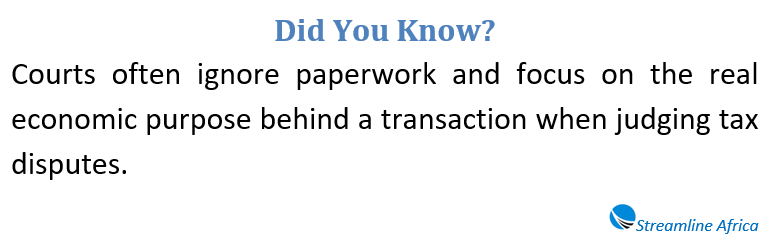
Courts often apply substance-over-form principles, meaning they look beyond paperwork to the real economic purpose of a transaction. If a strategy exists only on paper and serves no genuine business or personal purpose, it may be challenged.
Understanding Tax Fraud
Tax fraud involves intentional actions designed to evade tax obligations. Common examples include underreporting income, keeping multiple sets of accounts, or using cash transactions to avoid detection.
Fraud can also involve claiming reliefs or credits without meeting eligibility requirements. Even failing to file tax returns altogether can constitute an offense in many jurisdictions.
Penalties for tax fraud are severe. They may include financial fines, interest on unpaid taxes, asset seizures, and in serious cases, imprisonment.

Comparing Tax Planning and Tax Fraud
Tax planning operates within the law and aligns with legislative intent. Tax fraud violates the law and undermines the integrity of the tax system.
Planning is transparent, documented, and defensible. Fraud is hidden, misleading, and risky. While planning seeks efficiency, fraud seeks deception.
The consequences also differ sharply. Legal planning results in lower tax bills without legal risk. Fraud exposes taxpayers to audits, penalties, reputational damage, and criminal prosecution.
Different Forms of Legal Tax Planning
Legal tax planning can take many forms depending on individual circumstances. Some taxpayers focus on deductions and credits. Others prioritize long-term savings or investment timing.
Businesses may plan through capital investment, staffing decisions, or financing structures. International entities may rely on treaties and transfer pricing rules.
What matters is that all strategies are grounded in law, supported by documentation, and aligned with genuine economic activity.
Key Takeaway
Paying tax is a legal obligation, but paying more than required is not. Legal tax planning allows individuals and businesses to manage their finances efficiently while complying fully with the law.
The danger arises when taxpayers confuse planning with manipulation. Tax fraud carries serious consequences and often begins with small, seemingly harmless decisions.
When in doubt, professional advice is essential. A qualified tax or financial advisor can help ensure that strategies remain lawful, ethical, and aligned with both personal goals and legal requirements.
Understanding the difference between tax planning and tax fraud is not just about saving money—it is about protecting your future.
FAQs
What Is the Core Difference Between Tax Planning and Tax Fraud?
Tax planning follows the law to reduce taxes using approved incentives, while tax fraud breaks the law by hiding income or providing false information.
Why Do Governments Allow Tax Planning in the First Place?
Governments use tax incentives to encourage behaviors like saving for retirement, investing in businesses, or supporting education and healthcare.
Is Tax Planning Only for Wealthy Individuals and Corporations?
No. Employees, freelancers, small business owners, and families all use tax planning through deductions, allowances, and savings schemes.
How Does Intent Affect Whether an Action Is Legal or Illegal?
Intent is critical. Honest use of tax rules is legal, but deliberate deception or misuse of provisions turns planning into fraud.
What Are the Most Common Legal Tax Planning Tools?
Standard deductions, retirement contributions, health-related reliefs, business depreciation, and education incentives are widely used.
Can International Tax Planning Be Legal?
Yes, if it follows disclosure rules and tax treaties. It becomes illegal when income is concealed or structures exist only to deceive authorities.
Why Is the Tax System So Complicated?
Complexity comes from trying to balance revenue collection with social and economic incentives, which creates many rules and exceptions.
How Can Tax Complexity Hurt Ordinary Taxpayers?
Many people miss valid tax benefits simply because they don’t understand the rules or find compliance overwhelming.
When Does Legal Tax Planning Cross the Line?
It crosses the line when strategies lack real economic purpose, rely on false reporting, or intentionally exploit the law’s weaknesses.
What Are the Consequences of Tax Fraud?
Penalties can include fines, interest, asset seizures, reputational damage, and in serious cases, imprisonment.
Is Not Filing a Tax Return Considered Fraud?
In many jurisdictions, yes—especially if taxes are owed. Failure to file can trigger penalties and legal action.
Why Is Professional Tax Advice Important?
A qualified advisor helps ensure strategies are legal, well-documented, and aligned with both the law and your financial goals.