
Every modern economy depends on a steady and trusted financial anchor, and in Ghana that role belongs to the Bank of Ghana. From its headquarters in Accra, the institution oversees the nation’s money, regulates banks, and works to keep inflation, interest rates, and the currency within manageable limits. Although many Ghanaians encounter the bank only through cedi notes or banking rules, its influence reaches into nearly every aspect of economic life, from government borrowing to the stability of savings and loans.
Since its founding in 1957, the Bank of Ghana has grown into a fully fledged central bank with regional offices spread across the country. These regional branches in cities such as Kumasi, Tamale, Takoradi, Hohoe, Sunyani, Bolgatanga, and Wa allow the institution to apply its policies beyond the capital, ensuring that financial regulations and services are felt in every part of Ghana.
Why Ghana Needed Its Own Central Bank
Before independence, Ghana’s financial system was largely shaped by colonial structures. Banking was dominated by foreign institutions, and key monetary decisions were often made outside the country. As political independence became a realistic goal in the 1950s, local leaders and economists began to argue that economic freedom required its own monetary authority.
They believed that a national central bank would do more than manage money. It would support indigenous businesses, provide banking services to government, and help guide development in a way that reflected Ghana’s own priorities. This thinking gained momentum after World War II, when many newly emerging nations sought to take control of their financial systems as part of broader nation-building efforts.
A government committee reviewed earlier proposals and laid the groundwork for a new institution that would combine technical expertise with national oversight. By the end of 1956, the plan was ready to be put into action.
The Birth of the Bank of Ghana
The Bank of Ghana officially came into being on 4 March 1957, just days before the country declared independence. Its legal foundation was established through legislation passed in the British Parliament, which at the time still had authority over colonial affairs. Soon after, Ghana assumed full control of its new central bank.
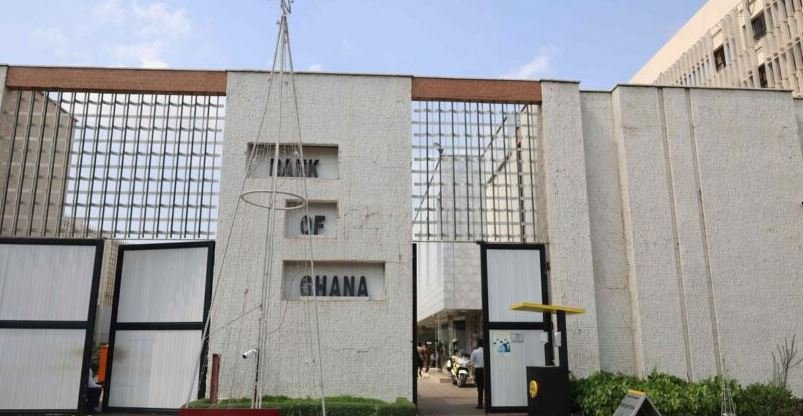
A modern headquarters was constructed on High Street in Accra to house both the new central bank and the Ghana Commercial Bank. This building symbolized Ghana’s financial ambitions: a local hub for currency issuance, government banking, and economic policy.
Over the years, the legal framework governing the Bank of Ghana has been updated to reflect changing economic realities. Various acts and amendments refined its independence, clarified its responsibilities, and strengthened its ability to supervise the financial sector.
From Colonial Roots to National Control
The Bank of Ghana did not appear in isolation. Its roots can be traced to earlier institutions, particularly the Bank of the Gold Coast, which later became Ghana Commercial Bank. That organization already handled many government-related financial activities and provided a base of trained staff.
As independence approached, it became clear that what Ghana needed was not just another commercial bank, but a specialized authority dedicated to managing the nation’s currency and financial system. With the right personnel and facilities in place, the transition from colonial-era banking to a national central bank was smoother than it might otherwise have been.
This shift marked a turning point. For the first time, Ghana had the ability to design and implement monetary policy according to its own economic goals rather than external priorities.
Leadership and Early Governance
In its early years, the Bank of Ghana was led by experienced bankers brought in to guide the young institution. The first governor, Alfred Eggleston, was a seasoned financial professional who had previously managed the Bank of the Gold Coast. He was supported by a deputy governor and a board of directors drawn from both local and international expertise.
The board was responsible for broad oversight, while the governor and deputy handled daily management. Although the bank was expected to operate with professional independence, it remained accountable to the Ministry of Finance, reflecting the balance between autonomy and public responsibility.
This governance model ensured that the central bank could pursue stability and efficiency while still aligning with national economic policy.
How the Organization Took Shape
When the Bank of Ghana opened its doors, it began with a relatively simple structure. Six main departments handled administration, banking operations, currency issuance, accounting, and economic research. These units worked together to support the bank’s core mission.
At that time, Ghana’s banking sector was small. It included two large foreign banks, a newly established Ghana Commercial Bank, and the Post Office Savings Bank, which mainly collected public savings for government use. The central bank’s role was to coordinate this system, provide liquidity when needed, and set basic standards for operations.
Although formal bank supervision was limited in the beginning, the Bank of Ghana had the authority to request financial reports, set reserve requirements, and act as banker to other banks. These powers laid the groundwork for the more robust regulatory framework that would develop in later decades.
What the Bank of Ghana Does Today
The responsibilities of the Bank of Ghana have expanded significantly since 1957. At its core, the institution manages monetary policy, meaning it uses tools such as interest rates and reserve requirements to control inflation and support economic growth. By influencing how much money is available in the economy, the bank helps keep prices stable and protects the purchasing power of the cedi.
Another crucial role is currency management. The Bank of Ghana designs, issues, and redeems banknotes and coins, ensuring that cash in circulation is secure and trusted. It also manages the country’s foreign reserves, which are used to support international trade and stabilize the exchange rate.
The bank also acts as the government’s banker and financial adviser. It handles public accounts, supports the issuance of government bonds, and provides guidance on economic and financial matters.
Equally important is its regulatory function. The Bank of Ghana licenses and supervises commercial banks, savings and loans companies, and other financial institutions. By enforcing rules and monitoring risk, it works to prevent bank failures and protect depositors.
Payment systems fall under its oversight as well. From electronic transfers to interbank settlements, the central bank ensures that money can move safely and efficiently through the economy.
Promoting Financial Inclusion
In recent years, the Bank of Ghana has taken an active role in expanding access to financial services. Many people, especially in rural areas, have traditionally operated outside the formal banking system. This limits their ability to save securely, access credit, or receive digital payments.
To address this, the bank has partnered with international initiatives such as the Alliance for Financial Inclusion and made public commitments to improve access to banking and financial technology. Mobile money, agency banking, and digital identification systems are all part of this broader effort to bring more Ghanaians into the formal financial sector.
Governors Who Shaped the Institution
Over the decades, a series of governors have guided the Bank of Ghana through periods of growth, economic reform, and global financial change. Each administration faced its own challenges, from high inflation and currency devaluation to banking sector restructuring and technological transformation.
In recent times, leadership has focused on restoring stability, strengthening regulation, and modernizing operations. The current governor, Dr. Johnson Asiama, took office in 2025 and continues to steer the institution through a complex economic environment shaped by global pressures and domestic priorities.
Legal Disputes and Public Scrutiny
Like many powerful institutions, the Bank of Ghana has faced legal and political challenges. One notable case arose after the revocation of licenses for certain financial institutions, including GN Bank. This led to court action by affected parties, who argued that the central bank had acted unfairly.
The Bank of Ghana maintained that such disputes should be handled through arbitration as set out in banking laws, rather than through the courts. These cases highlighted the tension between regulatory authority and the rights of financial institutions, a balance that every central bank must manage.
The Debate Over a New Headquarters
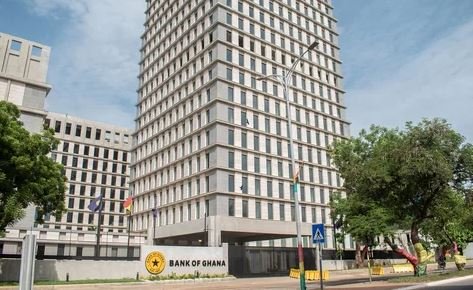
In 2023, the Bank of Ghana announced plans to build a new headquarters in Accra, arguing that its existing facilities were no longer fit for purpose. The proposal quickly became controversial. Critics, including opposition politicians and civil society groups, questioned whether such a costly project was appropriate during a period of economic difficulty.
Supporters within government and parts of the business community defended the plan, saying a modern central bank building was a long-term investment in institutional efficiency and national pride. The debate became a focal point for wider concerns about public spending and accountability.
Recognition on the International Stage
Despite controversies, the Bank of Ghana has received international recognition for its work. In 2020, it was named the best central bank at a major global awards ceremony, reflecting its efforts in regulation, innovation, and policy management.
Such honors do not eliminate challenges, but they underline the institution’s growing role in shaping a resilient and inclusive financial system.
A Pillar of Ghana’s Economic Future
More than six decades after its founding, the Bank of Ghana remains one of the most important institutions in the country. It safeguards the currency, supervises the financial system, and advises government on economic strategy. Its decisions affect everything from interest rates on loans to the stability of savings in a bank account.
As Ghana continues to develop and integrate into the global economy, the central bank’s role will only become more complex. Yet its original purpose, to give the nation control over its own financial destiny, remains as relevant today as it was in 1957.
Key Facts
Ghana’s Financial Anchor
The Bank of Ghana sits at the center of the country’s economic life, shaping interest rates, inflation control, and currency stability to keep everyday transactions and long-term investments on steady ground.
Born With Independence
The central bank was created just days before Ghana became an independent nation, symbolizing the country’s determination to control its own money and economic future from the very beginning.
Guardian of the Cedi
From printing banknotes to protecting the value of the currency at home and abroad, the Bank of Ghana ensures that the cedi remains trusted for trade, savings, and international transactions.
Regulator of Banks and Lenders
Every commercial bank, savings institution, and many financial service providers in Ghana operate under rules and supervision set by the Bank of Ghana, making it a key protector of depositors and investors.
Partner to Government
Beyond public regulation, the bank also serves as the government’s banker and financial adviser, helping manage public accounts, debt, and national financial planning.
Champion of Financial Inclusion
The institution has taken deliberate steps to bring more Ghanaians into formal banking through mobile money, digital payments, and policies that make financial services more accessible across the country.
A History of Strong Leadership
Over the decades, different governors have guided the bank through inflation, reforms, crises, and modernization, each leaving a mark on how Ghana’s financial system operates today.
A Subject of Public Debate
Major decisions, such as the construction of a new headquarters, have sparked national conversations, showing how closely Ghanaians watch and care about their central bank.