
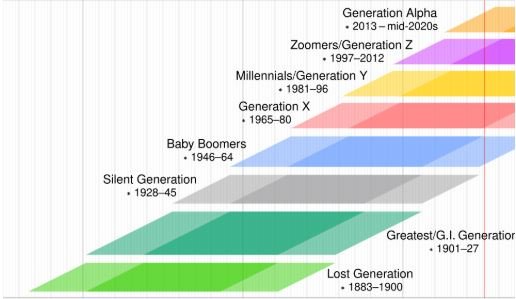
The term “boomer effect” has become a fixture in economic discussions because it captures how one unusually large generation continues to influence financial systems long after its peak working years. The cohort commonly referred to as baby boomers, born in the years following World War II through the mid-1960s, is now moving collectively into later life stages. This transition is not merely demographic; it is economic, social, and structural. From spending habits and investment flows to labor availability and public policy, the choices and needs of this generation continue to shape markets in ways that are both predictable and surprising.
The Postwar Population Surge That Changed Everything
In the years immediately following World War II, many countries experienced a sharp rise in birth rates, but nowhere was this more pronounced than in the United States. Families reunited after years of uncertainty, economic optimism surged, and governments expanded housing, education, and infrastructure to support young households. The result was an unprecedented population wave that steadily moved through each life stage together.
As this generation grew up, it placed sustained pressure on schools, universities, and eventually the job market. Entire industries expanded simply to accommodate the size of this age group. Over time, the same pattern has repeated itself as boomers transitioned from first-time homebuyers to peak earners and now into retirees. The boomer effect, therefore, is not a single event but a rolling influence that has reshaped demand over several decades.
Wealth Concentration and Financial Influence
One of the most significant aspects of the boomer effect is the concentration of wealth within this generation. Having benefited from decades of economic growth, rising asset prices, and relatively stable employment during their prime working years, many boomers accumulated substantial savings. Home ownership, retirement accounts, pensions, and investment portfolios are disproportionately held by this group.
This concentration of capital gives boomers outsized influence over financial markets. Their preferences affect everything from interest rate sensitivity to asset allocation trends. For example, as risk tolerance declines with age, there is often a shift toward income-generating investments, bonds, and dividend-paying equities. These collective moves can influence market pricing, product development in financial services, and even the strategies of institutional investors seeking to attract boomer capital.
Changing Consumption Patterns With Age
Consumer behavior evolves as people age, and when millions of individuals do so at the same time, the effects ripple across entire sectors. In earlier decades, boomers drove demand for family homes, automobiles, and education-related spending. Today, their consumption is more focused on health, comfort, and services that support independence.
Spending priorities increasingly include home modifications, wellness products, travel experiences tailored to older adults, and personal services. Unlike younger generations that may prioritize ownership of new technology or urban lifestyles, many boomers value reliability, familiarity, and quality. Companies that understand these preferences have been able to reposition their offerings, while those that fail to adapt risk losing relevance as this large customer base redefines what it wants and needs.
Healthcare as a Central Economic Driver
Healthcare sits at the core of the modern boomer effect. Longer life expectancy, combined with the natural increase in age-related conditions, has made medical services one of the fastest-growing areas of the economy. Demand is not limited to hospitals and physicians; it extends to pharmaceuticals, medical devices, home health care, and preventive services.
Advancements in technology have further expanded this market. Innovations in diagnostics, minimally invasive procedures, and remote monitoring are often designed with older patients in mind. The scale of boomer demand encourages ongoing investment and research, reinforcing a cycle in which healthcare spending becomes a defining feature of national economic growth.
Housing and the Redefinition of Retirement Living
Housing markets are also being reshaped by the aging of the boomer generation. Many older homeowners are reconsidering large family houses in favor of smaller, more manageable living arrangements. This shift affects both supply and demand across real estate segments.
Some boomers choose to downsize, freeing up suburban homes for younger families, while others seek age-friendly communities that offer accessibility and social engagement. There is also growing interest in “aging in place,” which has fueled demand for renovations, smart-home technology, and local support services. These trends influence construction patterns, urban planning, and even local government budgets as communities adapt to an older population.
Labor Market Transitions and Knowledge Gaps
The relationship between baby boomers and the labor market is complex. For many years, this generation extended its working life beyond traditional retirement age, often remaining employed due to financial considerations, professional identity, or a desire to stay active. This delayed exit helped stabilize some industries but also limited advancement opportunities for younger workers.
As larger numbers of boomers eventually leave the workforce, businesses face a dual challenge. On one hand, vacancies can contribute to labor shortages, particularly in skilled roles. On the other, organizations risk losing institutional knowledge built over decades. Training, mentorship, and succession planning have become critical as companies attempt to capture experience before it disappears.
Productivity and Economic Growth Considerations
An aging population raises important questions about productivity and long-term growth. While older workers bring experience and reliability, overall labor force participation tends to decline as retirement accelerates. Fewer workers supporting a larger retired population can strain economic output and public finances.
However, the boomer effect is not purely negative in this regard. Automation, flexible work arrangements, and targeted immigration policies can help offset demographic pressures. In some sectors, older entrepreneurs and consultants continue to contribute value well past traditional retirement, demonstrating that productivity does not always diminish strictly with age.
Public Policy and Social Support Systems
The boomer effect extends deeply into public policy. Social security programs, pension systems, and public healthcare are all influenced by the growing number of retirees relative to working-age individuals. Governments must balance fiscal sustainability with political realities, as boomers also represent a powerful voting bloc.
Policy debates increasingly focus on retirement age adjustments, healthcare funding models, and intergenerational equity. Decisions made today will shape not only the quality of life for older adults but also the economic prospects of younger generations who will eventually inherit both the benefits and burdens of these systems.
Investment Themes Linked to Demographic Shifts
From an investment perspective, demographic trends offer long-term themes rather than short-term opportunities. The boomer effect has already guided capital toward healthcare, biotechnology, and senior living infrastructure. It has also influenced financial products designed to provide retirement income and capital preservation.
Investors who understand these demographic undercurrents often focus on companies with durable demand drivers tied to aging populations. At the same time, diversification remains essential, as technological change and policy reforms can alter expected outcomes. The boomer effect provides context, not certainty, in investment decision-making.
Cultural and Social Implications Beyond Economics
While the boomer effect is frequently discussed in financial terms, its cultural influence should not be overlooked. This generation has shaped attitudes toward work, consumption, and retirement itself. Many boomers reject traditional notions of aging, seeking active, engaged lifestyles well into later years.
This mindset affects markets in subtle ways, from the branding of products to the design of services that emphasize independence rather than decline. It also influences how aging is perceived socially, with economic consequences for industries that cater to aspirations rather than limitations.
Looking Ahead as the Demographic Wave Advances
The boomer effect will not disappear overnight. As this generation continues to age, its economic footprint will evolve rather than vanish. Wealth transfer to younger generations will gradually reshape spending patterns, while healthcare and support services remain central.
Understanding the boomer effect requires recognizing it as a dynamic process rather than a static label. The same generation that once transformed schools, workplaces, and housing markets is now redefining retirement, longevity, and later-life consumption. For policymakers, businesses, and investors alike, adapting to these shifts is less about predicting exact outcomes and more about acknowledging the enduring power of demographics.
Conclusion
The boomer effect illustrates how a single generation can influence an economy across multiple decades. Born during a unique moment of postwar optimism, baby boomers have carried their numerical strength through every stage of life, reshaping markets along the way. Today, their transition into retirement and advanced age continues to affect wealth distribution, labor dynamics, healthcare demand, and public policy. Understanding this phenomenon is essential for anyone seeking to grasp the long-term forces shaping modern economies, as the legacy of the baby boom generation remains deeply embedded in economic and market structures.
Boomer Effect – FAQs
What Does the Boomer Effect Mean in Simple Terms?
The boomer effect describes how the large generation born after World War II continues to shape the economy as it ages. Because baby boomers move through life stages together, their collective behavior strongly influences spending trends, labor markets, and long-term economic planning.
Why Do Baby Boomers Have So Much Economic Influence?
Baby boomers accumulated wealth during decades of economic expansion, rising property values, and steady employment. As a result, they control a significant share of savings, investments, and real estate, giving their financial decisions a powerful impact on markets.
How Is the Boomer Effect Changing Consumer Spending?
As boomers grow older, they spend less on family-building expenses and more on healthcare, services, and comfort-oriented products. This shift has redirected demand toward medical care, retirement living, wellness services, and age-friendly housing solutions.
What Impact Does the Boomer Effect Have on Jobs and Workers?
Boomer retirements reduce the number of experienced workers, creating labor shortages in some industries and knowledge gaps in others. At the same time, delayed retirements and flexible work have helped businesses retain expertise during the transition.
Why Is Healthcare Central to the Boomer Effect?
Longer life expectancy means increased demand for medical treatment, pharmaceuticals, and long-term care. This sustained need makes healthcare one of the most economically important sectors linked to the aging boomer population.
Will the Boomer Effect Eventually Fade Away?
The influence will change rather than disappear. As wealth transfers to younger generations and population structures shift, the economic impact will evolve, but the ripple effects of the boomer generation will remain embedded in markets for decades.