
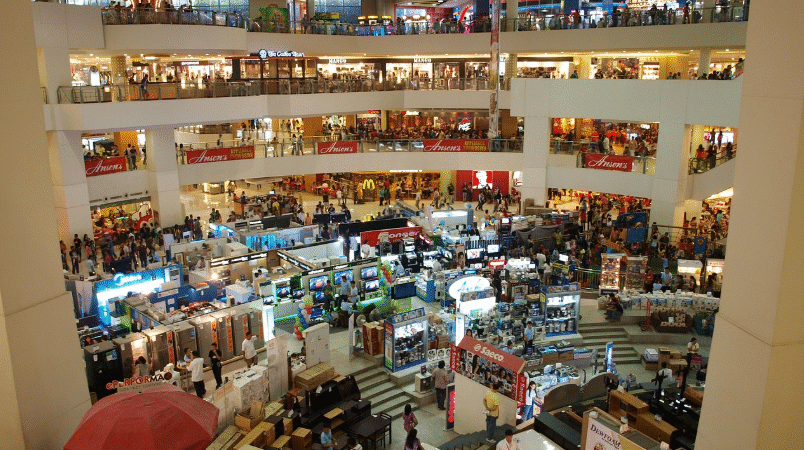
In many towns around the world, there are businesses that do not manufacture anything yet remain essential to daily life. These organizations act as intermediaries, purchasing finished goods from producers and placing them directly into the hands of customers. Such businesses are known as merchandising companies. Their primary purpose is straightforward: buy goods, store them, and resell them at a higher price to earn profit.
Imagine a coastal city in Southeast Asia called Bayara. On its bustling waterfront sits a popular retail chain, OceanGate Stores, run by entrepreneur Lina Cortez. Lina’s company does not produce canned fish, kitchen appliances, or school supplies. Instead, it negotiates deals with dozens of manufacturers across different countries, ships the products into Bayara, and sells them to households and small businesses. Without companies like OceanGate, many manufacturers would struggle to reach customers efficiently, while consumers would find it difficult to obtain a wide variety of goods in one place.
Merchandising companies are therefore vital connectors in the economic chain, transforming bulk production into convenient retail availability.
What Defines a Merchandising Company
At its core, a merchandising company is a business that purchases ready-made products with the intention of reselling them rather than altering or producing them. Unlike manufacturers, which create goods, or service firms, which provide intangible value, merchandisers generate revenue by moving physical products from producers to buyers.
Consider another example: Farid and Noor, siblings who operate Horizon Electronics in Casablanca. Their store stocks televisions from Korea, smartphones from China, speakers from Germany, and cables from local distributors. They do not assemble or modify these items. Their success depends on selecting the right products, pricing them competitively, and ensuring they are available when customers want them.
Merchandising companies can vary widely in scale. Some are small neighborhood shops specializing in niche products, such as musical instruments or imported foods. Others are massive retail chains that stock thousands of product categories. Regardless of size, their defining feature is the resale of tangible goods.
Retailers and Wholesalers: Two Key Forms
Merchandising companies generally fall into two major categories based on whom they sell to.
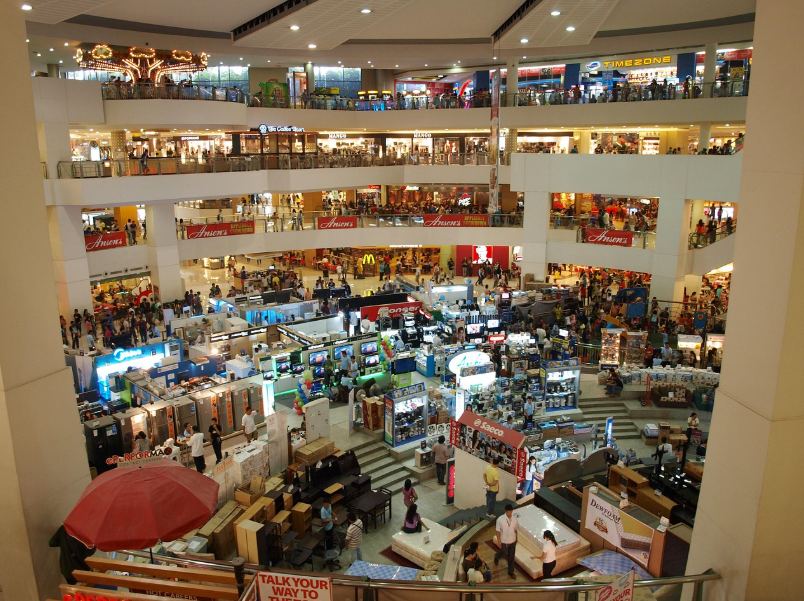
Retailers sell directly to final consumers. These include supermarkets, clothing boutiques, pharmacies, and online stores. When a family buys groceries or a student purchases stationery, they are interacting with a retail merchandiser.
Wholesalers, on the other hand, sell in bulk to other businesses rather than to individual shoppers. For instance, a wholesale distributor might supply cases of bottled water to restaurants, hotels, or small shops. The retailer then sells those items individually to the public.
This layered structure allows goods to move efficiently from factory floors to store shelves. Wholesalers handle large-scale distribution, while retailers focus on customer service, display, and accessibility.
The Operating Cycle of a Merchandiser
Running a merchandising company involves a repeating sequence of activities often called the operating cycle. This cycle determines how money flows through the business.
First, the company purchases goods from suppliers. These goods become inventory, meaning items held for sale. Next, the inventory is stored until customers buy it. Sales may occur immediately in cash or later through credit transactions. If credit is involved, the company must collect payment afterward.
This sequence—purchase, storage, sale, and collection—defines the rhythm of the business. Companies with fast-moving products, such as grocery stores, complete the cycle quickly. Others, like furniture retailers, may hold inventory for months before a sale occurs.
For Lina’s OceanGate Stores, imported refrigerators might sit in warehouses for weeks before being purchased, while snack foods sell within days. Managing this timing effectively is crucial to maintaining healthy cash flow.
Inventory: The Heart of the Business
Inventory is the lifeblood of any merchandising company. Unlike service firms, which rely primarily on expertise or labor, merchandisers tie up a significant portion of their capital in physical goods.
Inventory includes not only the purchase price of products but also costs required to make them ready for sale, such as shipping, customs duties, and handling. If Horizon Electronics imports speakers from Europe, the final inventory value must reflect freight charges and insurance as well as the supplier’s price.
Companies track inventory using either periodic or perpetual systems. In a periodic system, stock levels are updated at the end of an accounting period after physical counts. In a perpetual system, inventory records are continuously updated with each purchase and sale, often using barcode scanners and computerized systems.
Modern retailers increasingly favor perpetual systems because they provide real-time insights into stock levels, helping managers avoid shortages or overstocking.
Core Activities That Drive Sales
Merchandising companies engage in several interconnected activities beyond simply buying and selling.
Product selection is fundamental. Managers must predict which items customers will want, balancing trends, seasonality, and price sensitivity. Poor selection can lead to unsold inventory and financial losses.
Pricing strategy is equally important. Companies must set prices high enough to cover costs and generate profit but low enough to remain competitive. Discounts, promotions, and bundled offers are common tools used to stimulate demand.
Display and presentation also play a significant role. In physical stores, attractive arrangements, lighting, and signage encourage purchases. In online stores, product images, descriptions, and recommendation systems serve the same purpose. Merchandising techniques are designed to influence buying behavior and increase sales volume.
Customer service, return policies, and after-sales support further shape a company’s reputation and repeat business.
Revenue Generation and Markup
Unlike manufacturers that earn profit from production efficiency, merchandisers rely on markup—the difference between purchase cost and selling price. This markup must cover operating expenses such as rent, wages, utilities, advertising, and logistics, in addition to providing profit.
For example, Farid and Noor purchase headphones for the equivalent of $30 each and sell them for $50. The $20 difference contributes to covering business costs. However, not all products sell at full price. Some must be discounted to clear shelf space for newer models, reducing overall margins.
Therefore, successful merchandisers carefully balance pricing, turnover speed, and cost control.
Understanding the Merchandising Income Statement
Financial reporting for merchandising companies differs from that of service businesses because inventory introduces additional cost components. The income statement typically follows a multi-step format that highlights key stages of profitability.
The first major figure is net sales, which represents total sales revenue after subtracting returns, allowances, and discounts. This reflects the actual income generated from customers.
Next comes cost of goods sold (COGS), representing the cost of acquiring the items that were sold during the period. Subtracting COGS from net sales yields gross profit, sometimes called gross margin. Gross profit shows how much money remains to cover operating expenses after accounting for product costs.
Operating expenses—such as salaries, marketing, utilities, and administrative costs—are then deducted. The final result is net income, indicating whether the company made a profit or loss.
For OceanGate Stores, strong sales might still produce low net income if shipping costs rise sharply or inventory losses occur. Conversely, efficient purchasing and high turnover can significantly boost profitability.
Financial Statements Beyond Income
While the income statement highlights performance over a period, merchandising companies also rely on other financial reports. The balance sheet lists assets, including inventory, as well as liabilities and owners’ equity. The statement of cash flows tracks actual cash movement, which may differ from reported profits due to credit sales or inventory purchases.
Together, these documents provide a comprehensive picture of financial health and operational efficiency.
Why Merchandising Companies Matter
Merchandising businesses play a crucial role in modern economies. They enable mass production by providing distribution channels for manufacturers and convenience for consumers. Without them, producers would need to sell directly to millions of customers, an impractical task.
They also create employment across supply chains—from warehouse staff and transport operators to sales associates and managers. Furthermore, they stimulate competition, which often leads to better prices and product availability.
In Bayara, OceanGate Stores has become more than just a retailer. It sponsors community events, supports local suppliers, and serves as a reliable source of everyday necessities. The company’s success demonstrates how merchandising businesses can shape both economic activity and social life.
Final Thoughts
A merchandising company may not design products or deliver specialized services, but its role is indispensable. By purchasing goods from producers, managing inventory, presenting products effectively, and selling them to customers, these businesses keep markets functioning smoothly.
Their operations revolve around a continuous cycle of buying, storing, selling, and collecting revenue. Profitability depends on smart purchasing decisions, efficient inventory management, effective pricing, and strong customer relationships.
Whether it is a small corner shop or a multinational retail chain, every merchandising company operates on the same fundamental principle: bridging the gap between production and consumption. Through this function, they transform manufactured goods into accessible everyday purchases, sustaining commerce and meeting the needs of communities worldwide.