

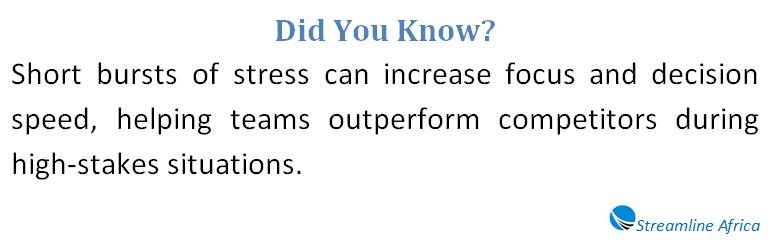
Stress has long been treated as the enemy of healthy workplaces. Many organizations invest heavily in wellness programs, flexible schedules, and burnout prevention initiatives, all in an effort to reduce tension. While those efforts matter, they often overlook a powerful truth: not all stress is harmful. When managed correctly, pressure can sharpen focus, accelerate decision-making, and push teams to do their most inventive work. In fast-moving markets, moments of discomfort frequently precede the biggest breakthroughs.
What separates companies that thrive under pressure from those that stall is not how much stress they experience, but how they interpret it. Businesses that learn to treat strain as feedback rather than failure can turn chaos into clarity. The following approaches reflect how leaders across different industries have reframed stress and converted it into an operational advantage, rather than a liability.

Seeing Pressure as a Productive Force
Stress is often described as a workplace problem that must be eliminated. Yet in competitive environments, pressure is unavoidable. Markets shift, customers change, and expectations rise. The organizations that succeed are not the ones with the least stress, but the ones that know how to use it. When interpreted correctly, pressure becomes information, urgency becomes focus, and tension becomes momentum.
The following fifteen strategies show how stress can be redirected from something draining into something powerful.
Viewing Change as Real-Time Feedback
Markets rarely stay still. New competitors, shifting customer habits, and technology upgrades all generate uncertainty. Instead of treating this as disruption, high-performing organizations treat it as live data. Stress created by change is telling you where adaptation is needed. Those who listen move ahead of those who resist.
Turning Individual Strain Into Team Solutions
When people feel pressured, they often withdraw or try to handle everything alone. That response multiplies stress. The better option is to activate the team. Strong systems, shared responsibility, and open communication distribute the load. Pressure becomes lighter when everyone is part of solving the problem.
Letting Stress Clarify What Matters Most
When everything feels urgent, confusion grows. Stress helps eliminate that confusion. It forces leaders to decide what truly deserves attention. Under pressure, the nonessential fades, and the core priorities stand out. Used this way, stress becomes a powerful filter.
Staying Grounded in Customer Needs
Competitive noise can overwhelm even strong companies. Watching rivals too closely creates distraction and anxiety. Customer problems, however, offer clarity. When teams focus on solving real customer needs, stress turns into motivation rather than pressure.
Turning Pauses Into Strategic Resets
Pushing harder is not always the answer. Sometimes pressure is telling you to pause. A short, intentional break allows leaders to reassess priorities, remove distractions, and regain perspective. These resets prevent rushed decisions and restore strategic focus.
Using Tension as Business Intelligence
Stress rarely appears without a reason. It usually signals inefficiencies, bottlenecks, or changing conditions. Instead of reacting emotionally, organizations can analyze where pressure shows up. That information reveals where systems need improvement or where opportunity may exist.
Maintaining a Growth-Focused Outlook
A team’s mindset determines how stress is experienced. When people believe challenges are temporary and solvable, pressure becomes energizing instead of paralyzing. Optimism creates space for creativity, experimentation, and perseverance.
Replacing Confusion With Clarity
Many stressful moments stem from unclear expectations. Vague goals, mixed signals, and shifting priorities create unnecessary strain. Treating stress as a call for clarity helps leaders simplify plans and align everyone around what needs to happen next.
Preparing for Pressure Before It Arrives
Stress feels heavier when it comes as a surprise. Companies that plan ahead face it with more confidence. Risk assessments, scenario planning, and contingency strategies give teams a roadmap. When disruption happens, they know where to go.
Treating Challenges as Design Opportunities
Every obstacle reveals something about how the business is built. Stress indicates that a system, process, or tool needs to be redesigned. Instead of resisting pressure, innovative teams use it as the starting point for smarter structures.

Solving the Real Problem, Not the Symptoms
Missed deadlines and poor results are not the real problem; they are signs of one. Leaders who investigate root causes can turn stress into lasting improvement. Each difficult moment becomes a chance to strengthen the business.
Strengthening Resilience Through Appreciation
Recognition builds emotional stability. Teams that feel valued recover faster from setbacks and handle pressure better. Gratitude keeps morale high and encourages cooperation, even when workloads are heavy.
Moving Faster by Removing Obstacles
Stress creates urgency. Urgency exposes inefficiencies. By cutting unnecessary steps and speeding up feedback loops, companies can transform pressure into forward motion. Simplicity becomes a competitive advantage.
Building Flexibility Into Every Plan
Rigid strategies collapse under stress. Flexible frameworks, however, bend without breaking. When pressure rises, adaptable companies shift direction smoothly rather than starting over. Stress becomes a cue to adjust, not panic.
Focusing Energy Where It Counts
High-pressure situations shine a spotlight on what truly matters. Whether it is a customer issue, a regulatory challenge, or a production bottleneck, stress tells leaders where attention should go. That focus leads to smarter decisions and faster results.
From Pressure to Performance
Stress will never disappear from business. It exists wherever goals are high and stakes are real. The key difference between failure and growth is how organizations interpret it. When pressure is treated as information rather than a threat, it becomes one of the most valuable tools a company can have.
When teams learn to listen to stress instead of fearing it, they gain clarity, speed, and strategic advantage in every challenge they face.