

Plant assets represent some of the most valuable and essential resources a company relies on to operate successfully. These assets support daily activities, enable production, and sustain long-term organizational growth. In financial accounting, plant assets require careful measurement, monitoring, and reporting because they involve significant investments and affect profitability over many years. This discussion explores the meaning of plant assets, their characteristics, accounting treatment, and key challenges associated with managing them, presenting the subject in a simplified and relatable narrative.
The Meaning and Purpose of Plant Assets
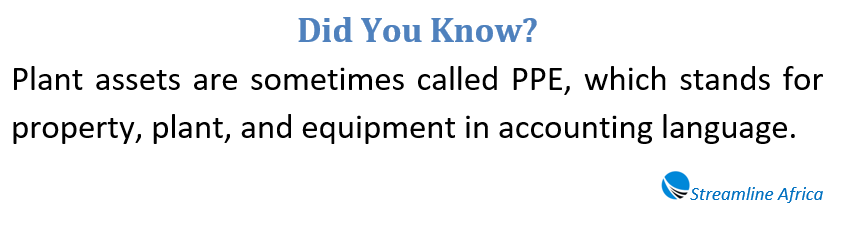
Plant assets are physical resources owned by an organization and used to support operational activities for an extended period. They are generally long-term in nature and are not acquired for resale. Instead, their main function is to help a company produce goods, provide services, or maintain administrative operations. These resources are commonly described as fixed assets or property, plant, and equipment in accounting terminology.
Plant assets differ from inventory or short-term investments because they do not directly convert into cash quickly. Their contribution to revenue is usually indirect, supporting production or service delivery rather than becoming part of the final product itself. For instance, machines used to manufacture items help generate revenue but are not sold as part of the finished goods.
Another defining feature of plant assets is their ability to deliver economic benefits for more than one accounting period. This long-term benefit makes them crucial for sustaining operations and maintaining competitive advantage. Their cost is not recorded entirely as an expense at the time of purchase because their value extends across several years.

Common Examples of Plant Assets
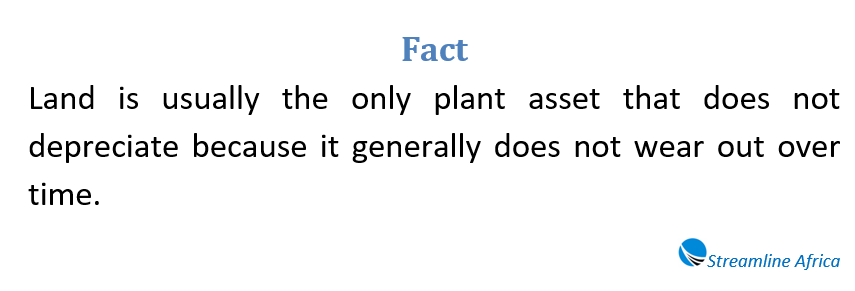
Plant assets appear in various forms depending on the nature of a business. Land is one of the most significant plant assets because it provides space for buildings and operations. Unlike many other plant assets, land typically does not depreciate since it does not wear out through usage.
Buildings also form an essential part of plant assets. Office complexes, warehouses, and production facilities support company activities by providing a physical environment where operations occur. Machinery and equipment represent another key category. Manufacturing firms rely on specialized equipment to transform raw materials into finished products, while service organizations may use computers, tools, or vehicles to deliver services effectively.
Furniture, fixtures, and technological installations also fall into this classification. Even improvements made to rented properties, such as installing lighting or specialized infrastructure, can be categorized as plant assets when they enhance operational efficiency.
Distinguishing Features of Plant Assets
Several characteristics differentiate plant assets from other types of resources in accounting. One major feature is their tangible nature. Plant assets have a physical presence, allowing them to be seen and used directly in operations. This distinguishes them from intangible assets such as trademarks or patents, which lack physical substance.
Another characteristic is their extended useful life. Plant assets usually support business operations for multiple years, which means their cost must be allocated over time rather than recognized immediately as an expense. This allocation ensures that financial reports accurately reflect how these assets contribute to generating income across different periods.
Plant assets also tend to be relatively expensive compared to everyday business purchases. Because of their high cost, organizations often establish capitalization policies that determine whether an item qualifies as a plant asset or should be treated as an ordinary expense. Items that exceed a predetermined cost threshold and provide long-term benefits are typically recorded as plant assets.
Initial Recognition and Measurement of Plant Assets
Accounting for plant assets begins when a company acquires them. The initial recorded value is known as historical cost, which includes not only the purchase price but also all expenses necessary to prepare the asset for operational use. These additional costs may include transportation, installation, testing, and legal fees.
For example, if a company purchases manufacturing equipment, the accounting cost includes delivery charges, installation expenses, and testing costs required to ensure the equipment functions properly. Recording these expenses as part of the asset ensures that financial statements accurately reflect the total investment made to bring the asset into service.
Proper measurement at the time of acquisition is critical because it forms the foundation for future accounting treatments such as depreciation, impairment, and disposal calculations.
Depreciation and Allocation of Asset Costs
Most plant assets gradually lose value as they are used. Depreciation is the accounting process that distributes the cost of a plant asset over its expected useful life. Instead of recording the entire cost as an expense in one period, depreciation spreads the expense across the years during which the asset contributes to operations.
Depreciation serves two main purposes. First, it reflects the wear and tear or aging of assets over time. Second, it aligns expenses with the revenue generated using those assets, ensuring financial statements present a fair picture of profitability.
Different methods can be used to calculate depreciation, including the straight-line method and production-based approaches. Each method allocates costs differently depending on how the asset is used or expected to generate benefits. Regardless of the method chosen, depreciation reduces the recorded value of the asset while recognizing periodic expenses in financial reports.
Maintenance, Improvements, and Operational Costs
Plant assets require ongoing maintenance to remain functional. Regular repairs and maintenance expenses are usually recorded as operating expenses because they help maintain the asset’s existing condition rather than increase its value.
However, when a company enhances or extends the useful life of a plant asset through significant upgrades or improvements, the cost may be added to the asset’s carrying value instead of being treated as an expense. For example, replacing outdated machinery with advanced components that increase efficiency might be capitalized and depreciated over the remaining life of the asset.
Determining whether a cost should be classified as maintenance or improvement is an important accounting decision. Misclassification can lead to inaccurate financial reporting and misrepresentation of company performance.
Impairment and Write-Downs of Plant Assets
Plant assets may sometimes lose value unexpectedly due to technological changes, market conditions, or physical damage. When the recoverable value of an asset falls below its recorded book value, accounting rules require the asset to be written down to reflect its actual worth.
This adjustment ensures that financial statements do not overstate asset values. The difference between the book value and the asset’s new value is recorded as a loss. Regular monitoring of asset performance helps businesses identify impairment situations early and maintain reliable financial records.
Disposal and Replacement of Plant Assets
Eventually, plant assets reach the end of their useful life or become obsolete. Businesses may sell, trade, retire, or discard such assets. When disposing of a plant asset, accounting records must remove both the original cost and accumulated depreciation associated with the asset.
If the asset is sold, the company must compare the sale proceeds with the asset’s book value to determine whether a gain or loss has occurred. Accurate disposal accounting ensures that financial statements properly reflect changes in company resources and operational capacity.
Challenges in Accounting for Plant Assets
Managing plant assets presents several accounting challenges. One significant issue involves estimating useful life. Determining how long an asset will remain productive requires professional judgment and may vary based on industry conditions, maintenance practices, and technological advancements.
Another challenge involves determining residual or salvage value, which represents the expected value of an asset at the end of its useful life. Incorrect estimation can distort depreciation calculations and affect profit measurements.
Asset tracking and inventory management also create difficulties, especially for organizations with large numbers of fixed assets spread across multiple locations. Effective tracking systems are essential to prevent loss, theft, or inaccurate reporting.
Additionally, regulatory standards require companies to comply with accounting guidelines for asset recognition, depreciation, and impairment. Failure to follow these rules may result in financial misstatements or compliance penalties.
The Strategic Importance of Plant Assets
Beyond accounting considerations, plant assets play a strategic role in business success. They enable companies to produce goods efficiently, deliver services effectively, and maintain competitive operations. Investment decisions related to plant assets often involve large financial commitments, making careful planning essential.
Organizations evaluate plant asset investments by analyzing cost, expected productivity, and potential revenue benefits. Proper asset management helps businesses maximize efficiency, reduce downtime, and improve profitability over time.
Plant assets also influence long-term financial planning. Their acquisition usually requires significant capital expenditure, and businesses must balance investment decisions with available funding and operational goals.
The Role of Plant Assets in Financial Reporting
Plant assets appear prominently on balance sheets as part of long-term asset classifications. Their recorded value reflects historical cost minus accumulated depreciation and impairment adjustments. These values provide stakeholders with insights into the company’s operational infrastructure and investment strategies.
Investors and creditors often analyze plant asset information to assess business stability and production capacity. Companies with well-maintained plant assets generally demonstrate strong operational capability and future growth potential.
Financial reporting involving plant assets must be transparent and accurate because errors can significantly affect financial performance indicators. Reliable reporting builds trust among stakeholders and supports informed decision-making.
The Evolving Nature of Plant Asset Management
Technological advancements and industry innovations continue to influence plant asset management. Modern asset tracking systems, automated maintenance scheduling, and digital monitoring tools help organizations manage assets more efficiently.
Sustainability considerations have also become increasingly important. Companies now evaluate plant asset investments based on environmental impact, energy efficiency, and long-term sustainability goals. These considerations influence not only accounting practices but also corporate strategy and operational planning.
As businesses expand globally and adopt new technologies, the role of plant assets continues to evolve. Accounting professionals must adapt to changing standards and technological developments to ensure accurate reporting and effective asset management.
Conclusion
Plant assets represent fundamental building blocks of business operations, providing long-term support for production, service delivery, and administrative functions. Their tangible nature, extended useful life, and significant financial investment require specialized accounting treatment to ensure accurate financial reporting.
From initial acquisition and depreciation to maintenance, impairment, and disposal, plant assets involve multiple accounting processes that influence company performance and financial stability. Effective management of these assets helps organizations maximize productivity, maintain operational efficiency, and achieve long-term strategic goals.
Understanding plant assets and their accounting implications enables businesses to make informed investment decisions, maintain regulatory compliance, and present reliable financial information to stakeholders. As industries evolve and technology advances, plant assets will remain central to organizational success and financial sustainability.
FAQs about Plant Assets
How are plant assets different from other types of assets?
Plant assets are distinct because they are tangible, long-term, and not easily converted into cash. Unlike current assets such as inventory or cash, they remain in use for extended periods and provide economic benefits across multiple accounting cycles. This long-term service role sets them apart from short-term or intangible resources.
What are common examples of plant assets in organizations?
Typical examples include land, buildings, machinery, vehicles, furniture, and office equipment. These assets are used directly in operations and help businesses manufacture products, store goods, or perform administrative tasks that support overall performance.
How are plant assets initially recorded in accounting?
Plant assets are recorded using historical cost, which includes the purchase price plus all expenses necessary to prepare the asset for use, such as transportation, installation, and legal fees. Recording the full cost ensures that financial reports accurately represent the investment made in the asset.
Why is depreciation applied to plant assets?
Depreciation spreads the cost of a plant asset over its useful life. This process ensures that expenses are matched with the revenue generated by the asset over time, reflecting how the asset gradually loses value through use, aging, or technological changes.
What happens when a plant asset loses value unexpectedly?
If an asset’s market value drops below its recorded value, it is considered impaired. Accounting rules require companies to reduce the asset’s value and recognize the loss in financial records to prevent overstating the company’s financial position.
How are plant assets removed from financial records?
When plant assets are sold, scrapped, or retired, companies remove them from accounting records. The difference between the asset’s book value and the amount received from disposal is recorded as either a gain or loss, helping financial statements reflect accurate asset changes.
What challenges do businesses face when managing plant assets?
Organizations often struggle with estimating useful life, tracking asset location and condition, and deciding whether certain costs should be treated as repairs or improvements. These decisions affect financial reporting accuracy and long-term asset management efficiency.