
Many organizations want a clear way to understand how well they are performing, but financial results alone cannot reveal the full picture. Modern businesses operate in environments where customer expectations rise quickly, competition evolves, and innovation becomes essential. The Balanced Scorecard, commonly known as the BSC, was developed to respond to these realities by offering a more complete method for monitoring and guiding performance. Instead of focusing only on revenue or cost efficiency, it brings together insights from customer experience, internal operations, and the capacity to learn and innovate. This broader view helps leaders see not just what is happening within their companies today, but also what might shape their success tomorrow.
What the Balanced Scorecard Really Represents
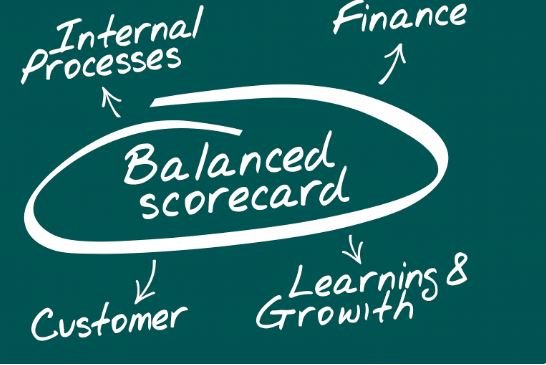
At its core, the Balanced Scorecard is a structured framework that helps organizations translate their strategic goals into a mix of measurable outcomes. These results are grouped into four major perspectives: financial, customer, internal processes, and innovation and learning. Each perspective plays a different role in shaping the future of the organization. When combined, they create a system that highlights whether daily operations are aligned with long-term ambitions. Instead of treating strategy as an abstract plan on paper, the BSC helps turn it into concrete actions and specific targets that employees across different levels can understand and work toward.
Why Companies Adopt the Balanced Scorecard Approach
The philosophy behind the Balanced Scorecard is that organizations perform at their best when they balance short-term achievements with long-term capability building. This approach pushes leaders to think beyond quarterly profits. It encourages them to pay closer attention to customer loyalty, operational weaknesses, workforce skills, technological readiness, and other elements that determine sustainable success. Many well-known global companies, government agencies, and nonprofits use the Balanced Scorecard to coordinate activities, track progress, and manage change. It supports everything from strategy execution to communication, team alignment, and performance management.
How the Balanced Scorecard Works in Practice
The Balanced Scorecard functions as a system that turns strategy into action. Instead of looking at financial results as the only indicator, it treats them as the outcome of a chain reaction. Customer behavior, operational processes, and organizational learning all influence financial performance. These relationships matter because they reveal where improvements should begin. For example, enhancing service quality can boost customer loyalty, which eventually improves profitability. Leaders use the BSC to track these cause-and-effect connections through carefully chosen indicators that show whether performance is moving in the right direction.
Because of its versatility, the Balanced Scorecard is used in board meetings, strategic planning sessions, annual budget development, and departmental evaluations. Some organizations even link employee rewards to BSC results. With digital dashboards becoming common, management teams can now track scorecard data in real time, making strategy execution more dynamic and responsive.
Exploring the Four Main Perspectives
Financial Perspective
The financial lens of the Balanced Scorecard ensures that strategic initiatives ultimately produce meaningful economic outcomes. This includes goals related to revenue, profit margins, cost efficiency, and capital utilization. Organizations may track indicators such as cash flow strength, return on assets, or income growth. Although the BSC expands the definition of performance, financial sustainability remains a crucial part of the framework. Without it, even the most innovative or customer-centered strategies cannot survive long-term.
Customer Perspective
This perspective focuses on how well a company serves its target audience. Metrics such as customer satisfaction, retention, referrals, and market presence offer insights into whether the organization is meeting expectations. Tools like customer surveys, loyalty measures, or engagement ratings help leaders understand what clients value and whether the company is delivering on its promises. A strong customer perspective helps businesses strengthen brand loyalty and stand out in competitive markets.
Internal Process Perspective
This area looks inside the organization to assess the efficiency and quality of key processes. Everything from product development to order fulfillment, compliance, service delivery, and quality assurance falls under this perspective. Companies track indicators such as process cycle times, error rates, or production yield. Improving internal processes reduces waste, builds reliability, and enhances the customer experience. When internal systems run smoothly, it becomes easier for teams to focus on innovation and growth.
Innovation and Learning Perspective
The final perspective captures a company’s ability to adapt, learn, and evolve. This involves employee skills, organizational culture, technology investment, and knowledge-sharing practices. Metrics may include training hours, staff engagement, new product development timelines, or digital capabilities. Since business environments change rapidly, companies that cultivate a learning mind-set are better positioned to stay relevant and competitive. This perspective strengthens long-term resilience.
Building an Effective Balanced Scorecard
Creating a Balanced Scorecard involves several structured steps. The first stage is defining the organization’s vision and strategic direction. Once leaders clarify what they hope to achieve, they determine specific objectives within each of the four perspectives. These objectives are supported by measurable indicators, commonly known as key performance indicators (KPIs), which allow progress to be tracked. After selecting KPIs, companies set realistic yet challenging targets and outline initiatives that will drive improvement.
A critical part of this development process is mapping the connections between objectives to show how each area influences the next. This visual representation, known as a strategy map, helps employees at all levels understand how their work contributes to broader goals. After building the main scorecard, organizations cascade it down to departments and teams so everyone works toward aligned priorities. Successful implementation requires ongoing monitoring and periodic revisions to ensure that the BSC remains relevant.
Illustration of a Balanced Scorecard in Action
Imagine a medium-sized technology manufacturer searching for a better way to track and strengthen its performance. Management begins by translating its strategy into the Balanced Scorecard’s four perspectives. Under innovation and learning, the company prioritizes new product development. Improvements in innovation then support more efficient internal processes. These streamlined processes help deliver better customer experiences, which ultimately enhance financial results. By connecting these elements visually, leaders create a simple roadmap for how the company will achieve its goals.
They then assign KPIs and targets across each perspective. For example, they may aim to reduce development time for new products or increase on-time delivery rates. Monthly meetings allow the team to assess whether performance is improving. If something falls behind target, they adjust resources or refine their strategy. Over time, the Balanced Scorecard becomes a daily management tool rather than a document created once a year.
Benefits and Limitations of the Balanced Scorecard
The Balanced Scorecard offers many advantages. It gives organizations a clear way to communicate strategy and align various departments behind shared goals. It creates a balanced view of performance and reduces reliance on financial results alone. By integrating leading and lagging indicators, it supports long-term planning, encourages continuous improvement, and clarifies priorities.
Yet the BSC is not without challenges. Some organizations struggle to choose meaningful metrics, sometimes overwhelming teams with too many KPIs. Others face resistance from employees or leaders who prefer traditional methods. Without proper guidance, the BSC can become a formality rather than a living management system. Success relies heavily on leadership involvement, accurate data collection, and regular reviews to keep the scorecard useful.
Is the Balanced Scorecard Still Valuable?
Many organizations continue to use the Balanced Scorecard because it provides structure in a fast-changing world. While adoption levels have shifted over the years, the principles behind the BSC remain useful. Businesses that want clarity, accountability, and long-term performance often find it a helpful tool for integrating strategy with everyday decision-making.
Conclusion
The Balanced Scorecard helps organizations think beyond immediate financial outcomes and pay attention to the drivers of long-term success. By combining financial, customer, internal process, and learning perspectives, it creates a comprehensive view of performance. When implemented well, the BSC becomes an essential part of strategic planning, allowing leaders to make informed decisions, improve alignment, and support ongoing development. In an environment where competition and expectations continue to rise, having a structured and balanced system for measuring progress can make all the difference.
Frequently Asked Questions about Balanced Scorecard
Why Is the Balanced Scorecard Better Than Only Using Financial Metrics?
Financial numbers show what already happened, but they don’t explain why. The Balanced Scorecard adds customer feedback, staff development, and operational efficiency, giving leaders a fuller picture of performance.
How Does It Help Businesses?
It helps companies move beyond short-term survival and focus on sustainable growth. It forces leaders to align operations with strategy, something many local businesses struggle with.
What Are the Four Key Perspectives?
Financial performance, customer satisfaction, internal processes, and learning and growth. Together, they highlight how well a business is running today—and how prepared it is for tomorrow.
How Does It Improve Decision-Making?
By turning goals into clear metrics, it guides leaders to make choices grounded in data rather than guesswork or emotion. It highlights areas that need attention before they become bigger problems.
Can Small Businesses Use It Too?
Absolutely. A small shop, a salon, or a start-up can track simple indicators like customer retention, product quality, staff skills, and monthly revenue to stay focused and organized.
How Does It Encourage Employee Accountability?
Everyone gets clear goals linked to the company’s strategy. Staff understand how their daily work contributes to growth, making it easier to measure performance fairly.
What Role Does Customer Feedback Play?
Customer insights help businesses identify service gaps, improve products, and build loyalty. In markets like Ghana, where word-of-mouth matters greatly, this perspective is essential.
How Does It Support Growth and Innovation?
The learning and growth section pushes organizations to invest in people, technology, and continuous improvement—ensuring they’re not just surviving but adapting to new challenges.
Why Is the Balanced Scorecard Still Relevant Today?
Because it blends strategy, people, processes, and results into one system. In a fast-changing economy, it helps businesses stay aligned, focused, and competitive while keeping long-term vision intact.