

In business, things don’t always unfold as planned. Market conditions shift, competitors pop up unexpectedly, and consumer preferences evolve faster than you can react. When uncertainty feels overwhelming, a SWOT analysis—standing for Strengths, Weaknesses, Opportunities, and Threats—offers a clear framework to organize your thoughts and decide your next move.
By breaking down your internal advantages and challenges alongside the external possibilities and risks, this simple tool can transform scattered concerns into a strategic roadmap. It’s not about predicting the future but equipping yourself with a sharper lens for decision-making.
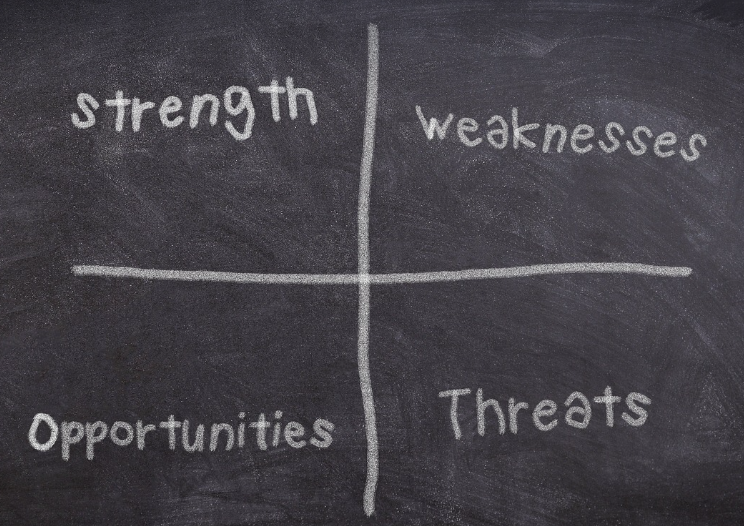
Understanding the Four Building Blocks
The effectiveness of SWOT lies in its simplicity. Every business, no matter the size, can relate to its four categories.
Strengths are the internal advantages you can count on, such as a talented team, loyal customers, or innovative products. These are the qualities that make you stand out in your market.
Weaknesses highlight the areas holding you back. Maybe your processes are outdated, resources are limited, or your customer base relies too heavily on a single segment. Recognizing weaknesses isn’t about highlighting failures but preparing for growth.
Opportunities point to favorable conditions outside your control that you can take advantage of. These could include emerging markets, shifts in consumer demand, or new technologies that streamline operations.
Threats are the external obstacles capable of derailing progress. Competitors, economic downturns, or sudden changes in regulations all belong here.
By working through each element, you develop a balanced perspective of where you currently stand and where you could head next.
Getting Started: Focus on Strengths
Every SWOT analysis should begin with what you do well. Start by asking: What sets us apart? What are we known for? Maybe your company is praised for exceptional customer service or you have a product that consistently outsells the competition. These strengths act as your foundation.
Concrete examples are far more useful than vague statements. Instead of writing “great brand reputation,” you could note, “customer satisfaction scores consistently above 90%.” The more measurable your strengths, the easier it becomes to build strategies around them.
Facing Weaknesses Honestly
While strengths feel rewarding to list, weaknesses demand humility. They might include gaps in digital skills, stretched financial resources, or an over-reliance on a single supplier.
The key is to approach weaknesses with honesty and precision. A broad entry like “limited marketing” is not as helpful as specifying “no in-house social media expertise.” By defining the weakness clearly, you open the door to solutions—whether that’s training, hiring, or outsourcing.
This step may feel uncomfortable, but it prevents blind spots that could cause bigger problems later.
Recognizing Opportunities Around You
Next, look outward to identify areas where your business can grow. Opportunities might stem from changing consumer behaviors, technological innovations, or gaps left open by competitors.
For instance, if your industry is slow to adopt eco-friendly practices and your business can lead the way, that’s an opportunity waiting to be seized. Similarly, entering a market where demand is rising but supply is scarce can open new revenue streams.
The challenge is separating real opportunities from temporary trends. Focus on those that align with your strengths and long-term vision rather than chasing every shiny prospect.
Preparing for Threats
The final quadrant asks you to confront external risks. Competitors introducing lower-cost alternatives, inflation raising supply costs, or new laws impacting your industry all qualify as threats.
Unlike weaknesses, which you can directly address, threats are often out of your hands. What you can do is prepare for them. For example, diversifying suppliers may reduce the risk of disruption if one suddenly fails. Similarly, strengthening customer loyalty could buffer your business against new market entrants.
By acknowledging threats, you minimize surprises and protect yourself against sudden shocks.
Tips for Using SWOT Effectively
Although SWOT is simple in structure, its success depends on how you use it. Here are a few strategies to maximize its impact:
- Involve others in the process. A single perspective may overlook critical details. By inviting input from employees, partners, or even outside consultants, you gain a more accurate and balanced view.
- Be specific. Generalities weaken the analysis. Replace “good sales” with “15% growth in sales over three consecutive quarters.” Precision ensures your findings can translate into real action.
- Balance your attention. Don’t rush through threats or weaknesses while spending all your time on strengths. Each section contributes to a full picture.
- Update regularly. A SWOT analysis is not a one-time exercise. Market conditions and company resources change quickly. What feels like a strength today may fade tomorrow, while new opportunities emerge unexpectedly. Reviewing it periodically keeps your strategy relevant.
Avoiding Common Pitfalls
One of the biggest mistakes businesses make with SWOT is treating it like a checklist rather than a planning tool. Listing items without digging into their significance limits its usefulness. Another trap is being overly optimistic, focusing on strengths and opportunities while downplaying weaknesses and threats.
To avoid this, encourage honest conversations and support every point with evidence or examples. The goal is not to make your business look good on paper but to position it realistically for the challenges ahead.
Why It’s Worth the Effort
At first glance, SWOT may seem overly simple compared to other business frameworks. Yet its strength lies in how approachable it is. You don’t need advanced software or financial models—just a willingness to assess your business with clarity.
For small businesses especially, this tool can be a game-changer. It helps you see where to invest effort, where to cut back, and how to align your strengths with opportunities in the market.
When used thoughtfully, SWOT becomes more than a snapshot; it becomes a guide to action, helping businesses make decisions with confidence and foresight.
Final Thoughts
A SWOT analysis is more than four boxes on a page—it’s a way to step back from day-to-day pressures and think strategically. By mapping out your strengths, addressing weaknesses, spotting opportunities, and planning for threats, you give yourself a clearer view of both risks and possibilities.
Business environments will always shift, but with a well-prepared SWOT analysis, you’ll be better equipped to respond with agility and purpose.
FAQs about SWOT Analysis
What is the purpose of a SWOT analysis?
It helps businesses organize their internal strengths and weaknesses alongside external opportunities and threats, making strategy clearer and more actionable.
Why should strengths be the starting point?
Strengths are the foundation of what a business does well. Identifying them first allows you to build strategies around proven advantages.
How do you identify weaknesses effectively?
By being specific and honest. Pinpoint issues like “lack of digital marketing skills” instead of vague phrases like “weak marketing.”
What makes opportunities valuable?
Opportunities are external factors—such as new markets or trends—that align with your strengths and can fuel sustainable growth.
Why is it important to consider threats?
Threats prepare you for risks you can’t control, like economic downturns or new competitors, so you can create backup strategies.
How can teams improve the accuracy of a SWOT analysis?
By involving employees, partners, and even outside consultants, you gain multiple perspectives and reduce the chance of overlooking key details.
What’s the danger of vague entries in SWOT?
General statements dilute value. Specific examples backed with data make it easier to take action and measure results.
How often should SWOT be updated?
Regularly. Business environments change quickly, so what was once a strength or opportunity may lose relevance over time.
What’s the most common mistake businesses make with SWOT?
Treating it like a checklist instead of a planning tool. Without deeper discussion, it becomes a list rather than a strategy.
Why is balance across all four sections important?
Spending too much time on strengths while ignoring weaknesses or threats creates an unrealistic view of the business.
How does SWOT help small businesses in particular?
It’s simple, low-cost, and accessible, giving smaller firms a clear structure to identify priorities and make smarter decisions.
What’s the ultimate value of SWOT?
It transforms scattered thoughts into a roadmap, helping businesses make confident choices and stay adaptable in changing conditions.