

Running a business requires more than just selling products or providing services—it also demands a clear understanding of your financial position. Without proper records, it’s easy to lose track of where your money is going and where it’s coming from. That’s where bookkeeping steps in.
Bookkeeping is the ongoing process of recording every financial transaction within your company, from supplier payments and sales invoices to credit card charges and payroll. While it may sound like a tedious administrative task, bookkeeping forms the backbone of financial management and decision-making.

How Bookkeeping Strengthens Your Business
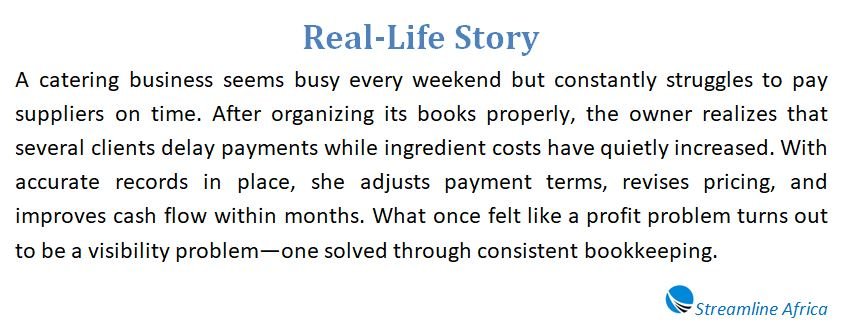
The most obvious benefit of bookkeeping is that it provides clarity. It gives you a detailed view of your income, expenses, and obligations, allowing you to see how much money is available, what needs to be set aside for taxes, and where your biggest costs lie.
Beyond tracking the basics, bookkeeping also creates an audit trail. Every purchase, payment, and sale is recorded, which not only supports accuracy but also protects your business in case of disputes, audits, or compliance checks. If discrepancies appear—like a missing purchase order or an unexplained charge—they can be identified and resolved quickly.
In essence, bookkeeping offers transparency, accountability, and insights that guide smarter financial choices. It prevents guesswork and builds a foundation of trust between you, your employees, your investors, and even your customers.
Signs It’s Time to Hire a Bookkeeper
Not every business owner needs a bookkeeper right away. Some startups can manage their own books during the early stages, especially when transactions are minimal. But as operations grow, so does the complexity of financial management.
You should seriously consider hiring a bookkeeper if you:
- Employ multiple staff members
- Operate across more than one location
- Have a business model with complicated structures
- Worry about making errors that could lead to fines
- Consistently postpone bookkeeping because of workload
- Lack confidence or experience in managing financial records
When any of these situations arise, outsourcing to a professional often saves both stress and resources.
What a Bookkeeper Brings to the Table
Expertise You Can Rely On
Professional bookkeepers specialize in managing financial data efficiently and accurately. They’ve seen countless issues, from reconciliation errors to misclassified expenses, and know how to solve them. This expertise means they’ll complete tasks faster and with fewer mistakes than most business owners could on their own.
They also stay in touch with industry practices and trends. A bookkeeper may recognize financial challenges common in your field and suggest strategies to avoid them. Their knowledge extends beyond simple record-keeping; they can point out inefficiencies, provide context for your numbers, and help you adopt best practices.
Guidance for Smarter Decisions
A good bookkeeper is more than a record-keeper—they’re also a trusted advisor. Because they understand your financial health, they can provide input on big decisions like expanding to new markets, hiring additional staff, or investing in new technology.
They also play an important role in budgeting. By analyzing your income and expenses, bookkeepers can help set realistic budgets and ensure you stay on track. Over time, they can identify financial patterns—such as seasonal sales fluctuations or rising supplier costs—and help you adjust accordingly.
Time Savings That Add Up
Bookkeeping involves countless small tasks: collecting invoices, categorizing receipts, preparing payroll, and paying suppliers. Each one takes time and attention to detail. For business owners who already juggle sales, marketing, and customer service, bookkeeping can feel overwhelming.
When a bookkeeper takes over, you reclaim those hours. The time saved can be redirected toward growth activities like developing new products, expanding into fresh markets, or building stronger client relationships. Even more importantly, it frees up mental space, reducing stress and allowing you to focus on the bigger picture.
Protecting Your Finances and Saving Money
Mistakes in financial records can be costly. Misreporting income or overlooking tax obligations might lead to penalties or missed deductions. A skilled bookkeeper minimizes these risks, keeping your records accurate and compliant.
Bookkeepers also create opportunities for savings. With their oversight, unnecessary expenses are easier to spot, cash flow is managed more effectively, and your financial position becomes clearer. By freeing you from the burden of day-to-day record-keeping, they also give you more time to pursue revenue-generating opportunities—something that ultimately increases profitability.
Bookkeeping Beyond Compliance
While bookkeeping ensures compliance with tax laws and regulations, its benefits go much further. Clear financial records can help when applying for business loans or attracting investors, as they demonstrate stability and reliability.
They also provide insights into long-term strategy. For example, consistent tracking of expenses might reveal that one product line is more profitable than another, guiding you toward smarter investment choices. In this sense, bookkeeping isn’t just about recording the past—it’s about preparing for the future.
Choosing Between DIY and Hiring a Pro
Some business owners enjoy handling their own records, especially with the help of modern bookkeeping software. This can work for very small businesses with straightforward operations. However, as complexity grows, the risk of errors and time lost also increases.
Hiring a bookkeeper means paying for expertise, but the return on investment often outweighs the cost. Whether part-time, full-time, or outsourced, the right bookkeeper will align their services with your needs, freeing you to focus on strategy and growth.
Final Take-away
Bookkeeping is not just a back-office task—it’s a central pillar of running a successful business. It ensures accuracy, compliance, and transparency while providing the data you need to make smart choices. For many entrepreneurs, hiring a professional bookkeeper becomes one of the most important steps toward efficiency and growth.
Whether you manage it yourself or delegate it to an expert, bookkeeping is something no business can afford to ignore. It’s the discipline that transforms financial activity into actionable insights, keeping your company not only afloat but moving forward with confidence.
Frequently Asked Questions about Bookkeeping
Why is bookkeeping important for a business?
It gives you a clear picture of income, expenses, and cash flow, helping you make informed decisions and avoid surprises.
How does bookkeeping improve transparency?
It creates a record of every transaction, acting as an audit trail that makes spotting errors or irregularities much easier.
When should a business hire a bookkeeper?
If you have multiple employees, locations, or a complex structure—or simply struggle to keep up with your books—it’s time to get help.
What expertise does a bookkeeper provide?
They bring experience, efficiency, and an understanding of industry trends, ensuring your records are accurate and up to standard.
How can a bookkeeper help with decision-making?
By analyzing your numbers, they can advise on when to expand, how to budget effectively, and which opportunities are financially feasible.
How does hiring a bookkeeper save time?
They take over tasks like sorting receipts, invoicing, and payroll, freeing you to focus on growing your business.
Can a bookkeeper save a business money?
Yes. They prevent costly mistakes, keep you compliant with tax laws, and help identify unnecessary expenses.
Is bookkeeping only about compliance?
Not at all. Beyond staying legal, it supports strategy, funding applications, and long-term growth planning.
Should every business owner do bookkeeping themselves?
Not necessarily. Small startups may manage, but as things grow, hiring a professional usually saves both time and stress.