

When people hear the word “control,” they often imagine restriction or bureaucracy. In the world of accounting, however, control represents stability, reliability, and accountability. Businesses rely heavily on internal control systems to ensure their financial information is accurate, their assets are protected, and their operations remain compliant with laws and policies.
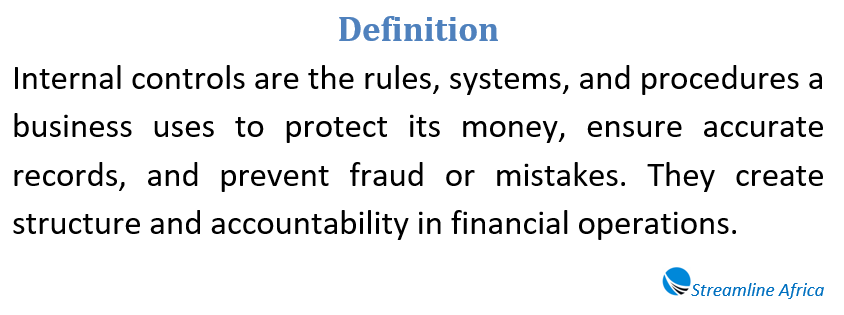
Internal controls refer to the procedures, rules, and systems organizations implement to maintain the integrity of their financial processes. These controls help ensure transactions are processed correctly, fraud is minimized, and operational goals are achieved efficiently. They form the invisible structure supporting responsible decision-making and sustainable business growth.
Modern organizations—from small retail outlets to multinational corporations—depend on internal controls to maintain trust among stakeholders such as investors, regulators, employees, and customers.
The Purpose Behind Internal Controls in Organizations
Every financial transaction creates potential risk. Without proper oversight, businesses could experience accounting errors, financial losses, or reputational damage. Internal controls serve as a safeguard against these challenges by ensuring financial records are accurate and operations run smoothly.
One major purpose of internal controls is protecting organizational assets. Assets include physical resources such as inventory and machinery, as well as intangible resources like intellectual property and financial data. Controls help prevent theft, misuse, or unauthorized access to these resources.
Another essential goal involves improving the reliability of financial reporting. Decision-makers rely on financial statements to assess performance, allocate budgets, and plan future growth. Accurate reporting allows managers and investors to make well-informed decisions based on dependable data.
Internal controls also ensure compliance with laws, industry standards, and internal policies. Companies operating in heavily regulated sectors, such as banking or healthcare, must adhere to strict regulatory requirements. Effective controls help organizations avoid penalties and maintain credibility.
Additionally, internal controls enhance operational efficiency. By establishing clear procedures and accountability structures, businesses can reduce duplication of effort, eliminate waste, and streamline workflows.

A Case Study: Sunridge Fresh Foods Limited
To understand internal controls in action, consider Sunridge Fresh Foods Limited, a growing food processing company based in Kumasi, Ghana. The company sources fruits from local farmers and processes them into packaged juice products distributed across West Africa.
As Sunridge expanded rapidly, management realized that their manual accounting procedures were causing discrepancies in inventory records and payment approvals. To address these concerns, the company introduced structured internal control systems.
They assigned separate responsibilities for purchasing, inventory management, and payment processing. The company also introduced automated accounting software to track transactions and introduced regular stock reconciliation checks. Within a year, Sunridge reduced financial errors significantly and improved supplier trust through timely and accurate payments.
This example illustrates how internal controls strengthen financial accountability and operational stability.
The Three Main Categories of Internal Controls
Internal controls can be grouped into three broad categories based on their purpose and timing. Each type plays a distinct role in protecting an organization from financial and operational risks.
Preventive Controls: Stopping Problems Before They Begin
Preventive controls focus on stopping errors or fraud before they occur. These measures act as barriers that discourage misconduct and reduce the likelihood of mistakes entering financial systems.
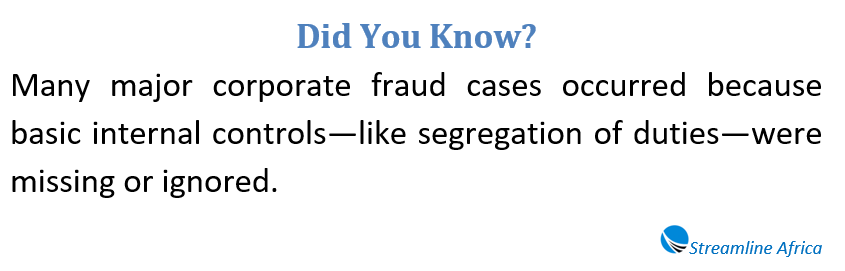
One common preventive control is segregation of duties. Instead of allowing a single employee to complete an entire financial process, tasks are divided among multiple individuals. For instance, one employee may authorize purchases, another records the transaction, and a third handles payments. This division creates checks and balances that reduce opportunities for manipulation.
Access restrictions are another example of preventive controls. Many organizations limit system access based on job responsibilities. Employees handling payroll may not have authority to approve vendor payments, preventing conflicts of interest.
At Sunridge Fresh Foods, management introduced password-protected accounting software and required approval from two supervisors for purchases exceeding a specific threshold. These preventive measures reduced unauthorized spending and improved accountability.
Preventive controls are often considered the strongest form of internal control because they address risks before damage occurs.
Detective Controls: Identifying Errors After They Occur
Despite preventive measures, mistakes and irregularities can still happen. Detective controls help organizations identify these issues quickly, allowing them to investigate and address problems before they escalate.
Reconciliation is a widely used detective control. It involves comparing different financial records to ensure they match. For example, a company may compare bank statements with accounting records to identify discrepancies.
Another example involves physical inventory checks. By counting stock periodically and comparing it with accounting records, businesses can detect theft, spoilage, or record-keeping errors.
Sunridge Fresh Foods implemented monthly inventory audits and quarterly financial reviews conducted by an independent internal audit team. During one audit, the team discovered inconsistent supplier billing, allowing management to correct pricing errors before they impacted profit margins.
Detective controls provide critical monitoring functions that help organizations maintain transparency and financial accuracy.
Corrective Controls: Fixing Problems and Preventing Recurrence
Corrective controls come into play after errors or fraud have been identified. These controls focus on resolving issues and improving processes to prevent similar problems from happening again.
One example of a corrective control involves revising policies and procedures following an internal audit finding. If an audit reveals weak approval processes, management may implement stricter authorization requirements or introduce automated verification systems.
Another corrective measure includes employee training. When accounting errors occur due to insufficient knowledge, organizations may provide additional training to improve staff competency.
At Sunridge Fresh Foods, management discovered that delayed data entry was causing inaccurate financial reports. To correct this issue, they introduced automated transaction recording software and provided accounting staff with advanced training sessions. These corrective steps strengthened reporting accuracy and improved overall financial management.
Corrective controls ensure organizations learn from past mistakes and continuously strengthen their financial processes.
Supporting Elements That Strengthen Internal Controls
While preventive, detective, and corrective controls form the foundation of internal control systems, additional elements support their effectiveness.
Clear policies and procedures provide employees with guidance on expected financial practices. Documented workflows help maintain consistency and reduce confusion across departments.
Technology also plays a major role in modern internal control systems. Accounting software, automated approval workflows, and real-time monitoring tools allow organizations to identify risks quickly and maintain accurate financial records.
Human resource practices contribute significantly to internal controls as well. Background checks, professional certifications, and ongoing training help ensure employees possess the competence and integrity required to handle financial responsibilities.
Strong leadership and organizational culture further reinforce internal controls. When management emphasizes transparency and ethical behavior, employees are more likely to follow established procedures.
Challenges Businesses Face When Implementing Internal Controls
Although internal controls provide numerous benefits, implementing them effectively can be challenging. Smaller organizations may struggle with resource limitations, making it difficult to assign separate responsibilities or invest in advanced technology.
Another challenge involves employee resistance. Some workers may perceive internal controls as unnecessary oversight rather than protective safeguards. Proper communication and training are essential to demonstrate how controls benefit both employees and the organization.
Businesses must also regularly review and update internal controls to address emerging risks. Rapid technological advancements, evolving regulations, and changes in organizational structure can weaken existing control systems if not monitored carefully.
The Long-Term Value of Strong Internal Control Systems
Organizations that invest in internal controls gain significant long-term advantages. Effective control systems build stakeholder confidence, reduce financial losses, and improve operational efficiency. They also enhance an organization’s ability to respond to unexpected challenges and maintain regulatory compliance.
For companies like Sunridge Fresh Foods, strong internal controls create a stable financial environment that supports expansion and innovation. Investors and business partners feel more confident working with organizations that demonstrate financial transparency and accountability.
Ultimately, internal controls are not simply accounting procedures. They represent a comprehensive approach to risk management, ethical governance, and sustainable business growth.
Conclusion
Internal controls serve as the foundation of responsible financial management. By preventing errors, detecting irregularities, and correcting weaknesses, these systems help organizations maintain accuracy, protect assets, and comply with regulatory requirements.
Whether implemented through segregation of duties, reconciliation processes, or employee training programs, internal controls ensure businesses operate with integrity and efficiency. As organizations continue to grow and evolve, strong internal control systems remain essential for maintaining trust, stability, and long-term success.
Frequently Asked Questions
Why Are Internal Controls Important For Businesses?
They protect company assets, improve financial accuracy, ensure compliance with laws, and build trust with investors and partners. Without internal controls, financial errors and fraud risks increase significantly.
What Is The Difference Between Preventive And Detective Controls?
Preventive controls aim to stop problems before they happen, such as separating job duties. Detective controls identify issues after they occur, such as reconciling bank statements to spot discrepancies.
What Are Corrective Controls?
Corrective controls fix problems after they are detected. For example, updating policies, retraining staff, or improving approval systems to prevent the same issue from recurring.
What Is Segregation Of Duties And Why Does It Matter?
Segregation of duties means dividing financial responsibilities among different people. This reduces the chance of fraud because no single person controls an entire transaction process.
How Does Technology Improve Internal Controls?
Accounting software, automated approvals, and real-time monitoring tools reduce manual errors, restrict unauthorized access, and provide better oversight of financial transactions.
Can Small Businesses Implement Internal Controls?
Yes. Even small businesses can implement basic controls such as dual approvals for payments, periodic reconciliations, and clear documentation procedures to reduce financial risks.
How Do Internal Controls Support Long-Term Growth?
Strong controls improve transparency and reliability. When financial information is trustworthy, leaders make better decisions, investors feel confident, and the business can grow sustainably.