
Rapid growth can feel like a victory lap—until it starts exposing gaps in your workforce. One moment, your company is scaling successfully, and the next, departments are stretched thin, deadlines are slipping, and hiring feels rushed. In today’s competitive environment, organizations can’t afford to treat hiring as a reactive process. They need a deliberate, forward-looking strategy to align talent with business ambitions.
This is where workforce planning becomes essential. It’s not just about filling roles—it’s about designing a system where people, skills, and goals move in sync. In this guide, we’ll explore ten practical strategies that help organizations plan smarter, adapt faster, and get the most out of their workforce.
Understanding Workforce Planning in a Modern Context
Workforce planning is the structured process of analyzing current talent, predicting future needs, and building a roadmap to bridge the gap. It ensures that a company always has the right mix of skills and people to meet its objectives—without overstaffing or scrambling to hire at the last minute.
Imagine a fast-growing logistics company in Nairobi led by Amina Odede. As her business expands across East Africa, she realizes that hiring reactively is creating inefficiencies. By adopting workforce planning, she begins forecasting demand, identifying skill shortages early, and preparing her teams for expansion. The result is smoother growth and fewer operational surprises. At its core, workforce planning helps organizations stay prepared instead of playing catch-up.

Choosing Tools That Support Strategic Decisions
Technology plays a central role in effective workforce planning. The right tools don’t just store employee data—they transform it into actionable insights.
For instance, a retail chain in Cape Town led by Thabo Maseko invests in an integrated HR platform. This system tracks employee performance, monitors attendance, and highlights productivity trends. Over time, it reveals that certain stores consistently outperform others due to better staffing alignment.
Modern workforce tools should offer capabilities like data analytics, recruitment tracking, internal job postings, performance evaluation, and succession mapping. These features empower HR teams to make informed decisions instead of relying on guesswork.
When data becomes accessible and meaningful, planning becomes proactive rather than reactive.
Aligning Talent Strategy with Business Goals
One of the most overlooked aspects of workforce planning is its connection to business objectives. Hiring without a clear understanding of company goals often leads to wasted resources and mismatched talent.
Consider a fintech startup in Lagos aiming to triple its user base within a year. Its founder, Kunle Adeyemi, realizes that achieving this target requires more than just aggressive marketing—it demands additional engineers, customer support agents, and compliance experts.
By breaking down the company’s revenue and growth targets, Kunle identifies exactly how many people are needed in each department. This clarity ensures that every hiring decision directly contributes to the company’s success.
When workforce planning starts with business goals, every role has a purpose.
Leveraging Internal Talent Before Looking Outside
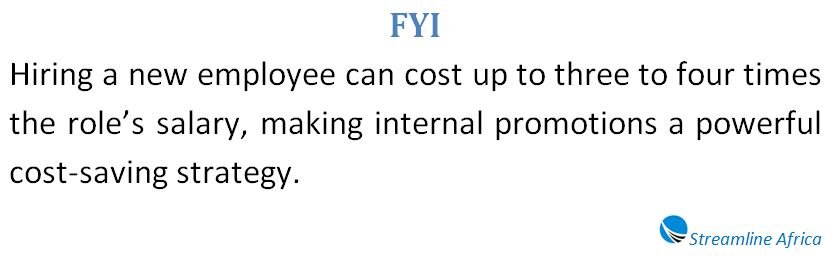
Hiring externally can be expensive and time-consuming. Yet many organizations overlook the potential already within their teams.
A hospitality group in Marrakech, managed by Salma Benkirane, faced high recruitment costs for supervisory roles. Instead of continuing external hiring, she introduced internal training programs and mentorship initiatives. Within a year, several junior employees had grown into leadership positions.
Promoting from within not only reduces hiring costs but also boosts morale and retention. Employees feel valued when they see clear career pathways, and organizations benefit from individuals who already understand the company culture.
Sometimes, the best candidate is already on your payroll.
Evaluating Current Productivity Before Expanding Teams
It’s easy to assume that hiring more people will solve performance issues. However, inefficiencies often stem from how work is organized rather than a lack of manpower.
A digital marketing agency in Johannesburg, run by Sipho Dlamini, initially planned to hire additional staff to handle increasing workloads. After reviewing team performance, he discovered that outdated processes were slowing everyone down. By introducing automation tools and streamlining workflows, the agency improved output without adding headcount.
Workforce planning requires a careful assessment of whether teams are operating at optimal capacity. If productivity gaps exist, addressing them should come before expanding the workforce.
Hiring should solve real problems—not mask underlying inefficiencies.
Balancing Immediate Needs with Long-Term Vision
Organizations must juggle short-term demands with long-term ambitions. While urgent roles may need immediate attention, future leadership and specialized skills require careful nurturing.
Take the example of a manufacturing firm in Cairo led by Omar Hassan. While the company needed technicians urgently, Omar also recognized the importance of grooming future managers. He implemented a dual strategy: hiring for immediate operational needs while investing in leadership development programs.
This balanced approach ensures continuity and stability. Companies that focus only on short-term hiring often struggle when leadership gaps emerge later.
A strong workforce plan looks beyond today’s challenges and prepares for tomorrow’s opportunities.
Planning for Employee Capacity and Onboarding Time
Hiring too late can be just as damaging as hiring too early. When new employees are brought in during peak pressure, they often struggle to adapt, and existing staff may not have time to train them properly.
In a software firm in Kigali, project manager Eric Nshimiyimana learned this lesson the hard way. New developers were hired during a critical product launch, leaving little time for onboarding. The result was confusion, delays, and frustration.
By adjusting the hiring timeline in future projects, Eric ensured that new employees were onboarded well before workloads peaked. This allowed them to integrate smoothly and contribute effectively.
Workforce planning should always account for the time it takes to train and integrate new hires.
Accounting for Turnover and Attrition
No workforce remains static. Employees leave for various reasons—career growth, personal changes, or better opportunities. Ignoring this reality can leave organizations understaffed unexpectedly.
A consulting firm in Accra, led by Nana Owusu, analyzed its employee turnover data and discovered patterns in resignation trends. Certain departments experienced higher attrition due to workload imbalances and limited growth opportunities.
By addressing these issues and factoring expected turnover into workforce planning, Nana ensured that replacements were ready before gaps became critical.
Understanding why employees leave is just as important as knowing when they might leave.
Preparing for Workforce Reductions When Necessary
While growth is often the focus, organizations must also prepare for scenarios where downsizing becomes unavoidable. Economic shifts, technological changes, or strategic pivots may require reducing staff.
A media company in Tunis faced declining revenues due to changing consumer habits. Instead of sudden layoffs, CEO Leila Gharbi implemented a gradual reduction strategy. She encouraged voluntary retirements, reskilled employees for new roles, and phased out redundant positions over time.
This thoughtful approach minimized disruption and preserved employee morale.
Workforce planning isn’t just about expansion—it’s about managing change responsibly.
Understanding the Ripple Effects of Hiring
Every hiring decision has a broader impact. Adding employees to one department often creates new demands in others.
For example, a growing e-commerce business in Dakar hired additional sales representatives to boost revenue. However, this increase led to higher demand for customer service, logistics, and marketing support. Without proper planning, these departments became overwhelmed.
By mapping out the interdependencies between teams, the company adjusted its hiring strategy to maintain balance across all functions.
Effective workforce planning considers the organization as a connected system rather than isolated departments.
Collaborating Closely with Team Leaders
No workforce plan can succeed without input from those on the ground. Managers understand the day-to-day realities of their teams and can provide valuable insights that data alone cannot capture.
In a healthcare organization in Addis Ababa, HR director Hana Tesfaye introduced monthly planning sessions with department heads. These discussions revealed upcoming challenges, hidden skill gaps, and opportunities for improvement that weren’t visible in reports.
For instance, a department planning to launch a community outreach program highlighted the need for communication specialists—something HR hadn’t anticipated.
Regular communication ensures that workforce planning remains accurate, dynamic, and aligned with real-world needs.
Building a Unified Approach to Workforce Management
As organizations grow, managing people becomes increasingly complex. Disconnected systems and scattered data can make workforce planning feel overwhelming.
The solution lies in integration. A unified HR platform brings together recruitment, performance management, payroll, and analytics into one cohesive system. This allows leaders to view the bigger picture and make decisions with confidence.
When everything is connected, organizations can track trends, anticipate challenges, and respond quickly to change.
Final Thoughts
Workforce planning is no longer optional—it’s a strategic necessity. In a world where talent is scarce and business environments are unpredictable, organizations must take control of how they manage their people.
By aligning hiring with business goals, investing in internal talent, leveraging technology, and maintaining open communication, companies can build resilient and adaptable workforces.
Ultimately, successful workforce planning is about more than filling positions. It’s about creating a system where people thrive, teams perform at their best, and organizations are prepared for whatever the future holds.
FAQs
Why is workforce planning important for growing companies?
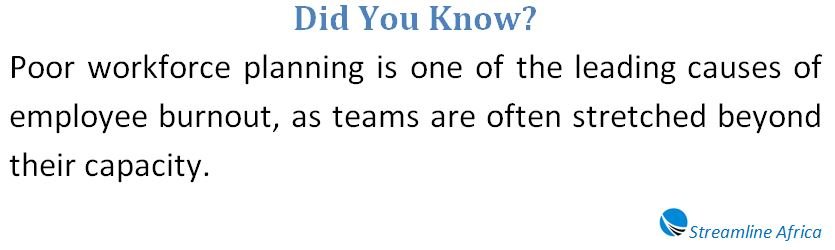
As businesses expand, talent gaps can slow progress. Workforce planning ensures growth is supported by the right employees, preventing burnout, inefficiencies, and rushed hiring decisions.
How does workforce planning connect to business goals?
It aligns hiring and talent development with what the company wants to achieve. When goals are clear, organizations can determine exactly what roles and skills are needed to reach them.
Can companies rely only on external hiring?
No, relying solely on external hiring can be costly and time-consuming. Developing and promoting internal talent often leads to better performance, higher morale, and stronger retention.
What role does technology play in workforce planning?
Modern HR tools provide data insights, track performance, and identify skill gaps. This allows businesses to make smarter, data-driven decisions about hiring and employee development.
How can organizations avoid overstaffing or understaffing?
By analyzing current productivity and forecasting future needs, companies can maintain balance. Workforce planning helps ensure teams are neither overwhelmed nor underutilized.
Why should companies plan for employee turnover?
Employee exits are inevitable. Planning for turnover helps organizations stay prepared, avoid disruptions, and maintain smooth operations even when staff changes occur.
What happens if workforce planning is ignored?
Without it, businesses often face rushed hiring, skill shortages, poor productivity, and higher costs. It can also lead to employee dissatisfaction and high turnover rates.
How can managers contribute to workforce planning?
Managers provide real-time insights into team needs and challenges. Their input helps HR teams make more accurate decisions and create practical, effective workforce strategies.