

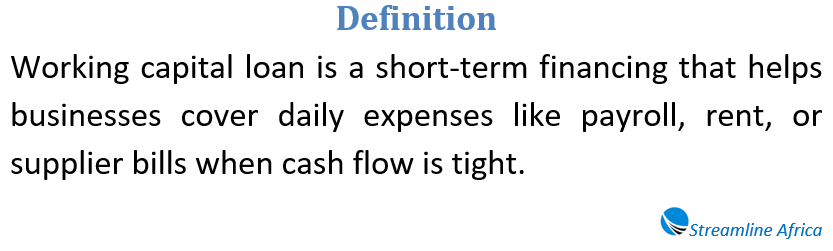
Every business, no matter its size or industry, needs a steady stream of cash to function daily. Rent, salaries, utilities, supplier payments, and unexpected costs don’t wait for profits to roll in. A working capital loan is a financial tool designed specifically to keep the wheels of a company turning. Unlike loans used for buying equipment or property, this type of financing is dedicated to meeting short-term operational needs.
In industries where sales rise and fall depending on the season, working capital loans become especially useful. A retailer may sell heavily during the holidays but struggle in quieter months. Without access to immediate funds, even businesses with strong sales cycles can find themselves unable to pay staff or suppliers on time. That is where working capital financing comes into play—it ensures continuity and stability when revenue slows.
Why Businesses Turn to Working Capital Loans
Many organizations run into cash flow gaps even when they are profitable overall. For example, manufacturers often produce large inventories months before demand peaks. Until those goods are sold, much of their money is tied up in stock rather than available cash. Payroll and rent, however, must still be paid. A loan bridges this gap, giving companies the flexibility to continue operating smoothly.
Seasonal businesses rely on this type of funding to maintain momentum. Retailers, tourism operators, and agricultural ventures often experience months of inactivity before their busiest periods arrive. A short-term loan helps them get through the quieter months and positions them to take advantage of peak seasons.

The Nature of Seasonal Cash Flow
Sales are rarely consistent throughout the year. Retailers earn the bulk of their income during the final quarter, thanks to holiday shopping. To prepare for this surge, manufacturers often spend the summer building up inventory. By the time autumn rolls around, warehouses are full, but sales revenue has yet to arrive.
At that moment, manufacturers may struggle to meet their expenses, leading them to seek financing. Once the holiday rush begins, revenue flows again, allowing repayment of the borrowed funds. This pattern illustrates how working capital loans provide flexibility during periods when cash inflows do not align with outflows.
How Credit Connections Matter
While working capital loans can be lifesavers, they often come with strings attached. Many lenders tie these loans directly to the business owner’s personal credit. This means that if the company misses payments, the owner’s own financial reputation suffers. For entrepreneurs with limited assets, such an arrangement poses a real risk. A default can affect not only the business but also personal opportunities for housing, car loans, or future credit.
Types of Working Capital Financing
Businesses have several choices when seeking working capital support. Each option comes with its own structure, costs, and requirements.
Term Loans
A term loan provides a lump sum that must be repaid over a set period, often with fixed interest rates. Companies know exactly how much they owe each month, which aids in budgeting. These loans are straightforward and work best for covering specific short-term needs.
Business Lines of Credit
A business line of credit functions more like a credit card. The company can draw funds when needed, repay them, and borrow again up to the credit limit. This flexibility makes it ideal for unpredictable expenses. Interest is typically charged only on the amount borrowed, not on the entire limit.
Invoice Financing
For companies that regularly bill clients but wait weeks or months to receive payments, invoice financing provides a solution. Lenders advance money based on unpaid invoices, giving businesses immediate access to cash while waiting for customers to settle their bills.
Business Credit Cards
Although not always thought of as loans, credit cards can be a source of working capital. They provide quick access to funds, often with reward programs. However, interest rates can be high if balances are not cleared promptly.
Collateral-Based Loans
Some companies turn to collateralized loans, pledging inventory, equipment, or property to secure financing. While this option may unlock lower interest rates, it comes with the risk of losing assets if payments are not met.
Advantages of Working Capital Loans
The greatest appeal of working capital loans is immediacy. They are designed to be relatively easy to obtain and deliver quick relief when businesses need to cover payroll, rent, or supplier invoices. Unlike equity financing, they do not dilute ownership. Business owners keep full control over decision-making and profits.
Unsecured loans, when available, allow businesses to access funds without pledging assets. This makes the process simpler and quicker, though only companies with strong credit ratings are eligible. The ability to maintain operations during lean times gives businesses a strategic edge, allowing them to focus on growth when demand returns.
Drawbacks to Consider
Despite their benefits, working capital loans carry several downsides. Interest rates tend to be higher than those for long-term loans, reflecting the risk lenders take on. For businesses with weaker credit profiles, rates can be prohibitively expensive.
Collateral requirements can also be a burden. If a company defaults, lenders may seize assets critical to operations, creating additional disruption. The tie to personal credit is another serious drawback. Entrepreneurs risk damaging their financial standing if the business struggles to keep up with repayments.
Finally, the short-term nature of these loans means they are not suitable for large investments or expansion projects. They are designed strictly for covering immediate operating costs, not for funding major growth initiatives.
Read Also: Business Grants vs Loans: Which Funding Path Works Best for You?
Finding the Right Fit
Deciding on a financing option depends on the unique circumstances of the business. A company with steady invoices but slow-paying clients may prefer invoice financing. Businesses facing irregular expenses may benefit more from a line of credit. For one-time shortfalls, a term loan could be the simplest route.
It’s important for business owners to evaluate their repayment ability realistically. Borrowing should solve a short-term problem, not create a long-term cycle of debt. Careful planning and open discussions with financial advisors or lenders can help identify the most sustainable solution.
Balancing Risks and Rewards
Working capital loans offer a lifeline during financially stressful times, but they must be managed wisely. A business that relies too heavily on short-term borrowing may find itself constantly chasing repayments, leaving little room for strategic growth. On the other hand, a well-timed loan can mean the difference between survival and closure during a difficult season.
Entrepreneurs must weigh the advantages of quick access to funds against the risks of high interest rates, personal liability, and potential collateral loss. By doing so, they can make informed choices that support both short-term survival and long-term goals.
The Bigger Picture
At their core, working capital loans reflect the reality that cash flow rarely moves in perfect alignment with expenses. Even thriving businesses can find themselves temporarily strapped for liquidity. These loans fill that gap, ensuring operations continue without disruption.
They are not, however, a substitute for sound financial management. Businesses should still focus on building reserves, improving payment cycles, and negotiating favorable terms with suppliers. A working capital loan is best viewed as one tool in a broader financial strategy rather than the foundation of it.
Conclusion
Working capital loans give businesses breathing space when day-to-day expenses outpace incoming revenue. They are invaluable for seasonal industries, manufacturers with cyclical production, or any company experiencing cash flow mismatches. From term loans and lines of credit to invoice financing and credit cards, the options are diverse, each suited to different needs.
Yet, as with any financial product, caution is essential. High interest rates, collateral demands, and personal credit risks are real concerns. Used wisely, these loans allow companies to weather storms, maintain staff, and prepare for profitable periods ahead. Mismanaged, they can deepen financial strain.
The key lies in balancing necessity with prudence. For businesses that plan carefully, working capital loans provide not just funds, but resilience.
Commonly Asked Questions
Why are these loans important for seasonal businesses?
They bridge gaps during off-seasons, ensuring businesses can keep paying employees and suppliers until sales pick up again.
How do working capital loans differ from other loans?
Unlike long-term loans for equipment or property, they are designed specifically for day-to-day operational costs.

What types of working capital financing exist?
Options include term loans, business lines of credit, invoice financing, business credit cards, and collateral-based loans.
What are the main advantages of working capital loans?
They are quick to access, don’t require giving up equity, and provide immediate relief to keep operations running smoothly.
What are the risks or drawbacks?
High interest rates, collateral requirements, and the possibility of damaging personal credit if repayments are missed.
Who qualifies for unsecured working capital loans?
Typically only businesses or owners with strong credit histories, as lenders see them as lower-risk borrowers.
When should a business consider using one?
When there’s a temporary cash shortage due to seasonal sales cycles, delayed invoices, or short-term expenses outpacing income.