
Africa’s industrial landscape continues to evolve as governments and private-sector partners invest heavily in infrastructure, manufacturing, and value-added production. Across the continent, Special Economic Zones (SEZs) and integrated industrial parks are helping countries diversify their economies, attract foreign direct investment, and create employment opportunities.
Unlike traditional industrial estates, many of Africa’s modern industrial zones are designed as complete business ecosystems. They provide manufacturers and investors with access to transportation networks, utilities, processing facilities, export channels, and regulatory support. These advantages allow businesses to reduce operational costs while expanding into regional and international markets.
From timber-processing hubs in Central Africa to agricultural transformation centers in West Africa and manufacturing corridors in East Africa, these industrial zones are playing an increasingly important role in the continent’s economic development.
The following industrial zones stand out for their strategic locations, sector specialization, infrastructure investments, and long-term business potential.
Glo-Djigbé Industrial Zone (GDIZ), Benin
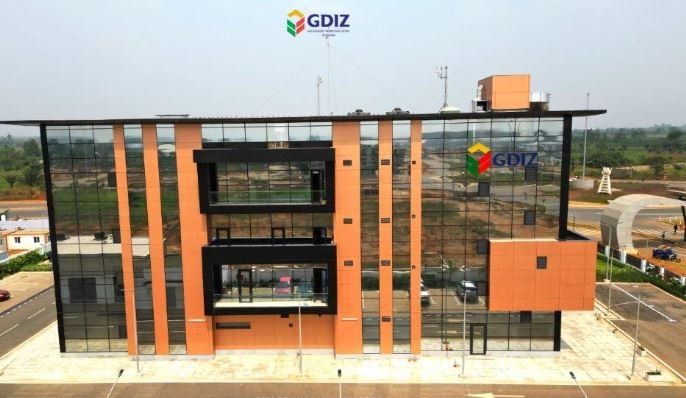
The Glo-Djigbé Industrial Zone was established to increase local processing of agricultural commodities and reduce dependence on raw commodity exports.
The zone has developed strong specialization in textiles and agro-processing. Major opportunities exist in the processing of cotton, cashew nuts, shea products, cassava, pineapples, and soybeans. By encouraging domestic transformation of these resources, the zone supports export growth and industrial diversification.
Its proximity to Benin’s primary port facilities further enhances its attractiveness for export-oriented businesses.
Plateforme Industrielle d’Adétikopé (PIA), Togo
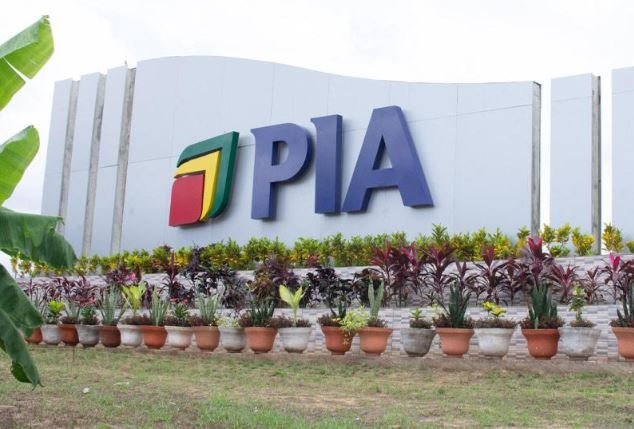
Located along a strategic trade corridor in Togo, the Plateforme Industrielle d’Adétikopé has become one of West Africa’s most recognized industrial development projects.
The zone focuses on transforming raw materials into export-ready products through integrated manufacturing and logistics operations. Key sectors include agro-processing, textiles, automotive components, storage solutions, and industrial manufacturing.
Its connection to regional trade routes provides businesses with access to multiple markets across West Africa, strengthening its role as a regional production hub.
Industrial Platform Remo Free Zone (IPRFZ), Nigeria
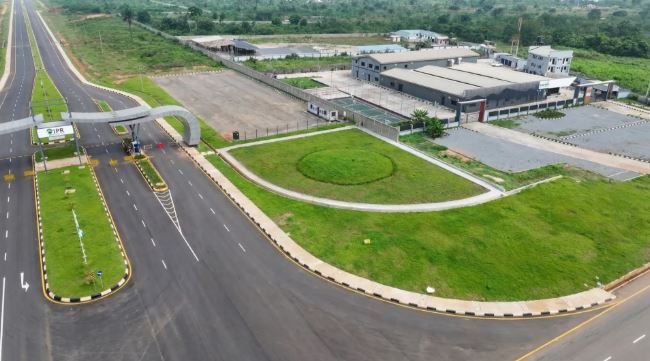
Situated in Ogun State, the Industrial Platform Remo Free Zone was established to accelerate industrial production and encourage the transformation of local resources into finished products.
The zone supports a diverse range of industries, including agricultural equipment manufacturing, waste recycling, pharmaceuticals, construction materials, consumer electronics, metals processing, and mining-related activities.
Its location near Nigeria’s major commercial centers provides businesses with access to one of Africa’s largest consumer markets while benefiting from dedicated industrial infrastructure.
Zones Industrielles de Côte d’Ivoire (ZIC), Côte d’Ivoire
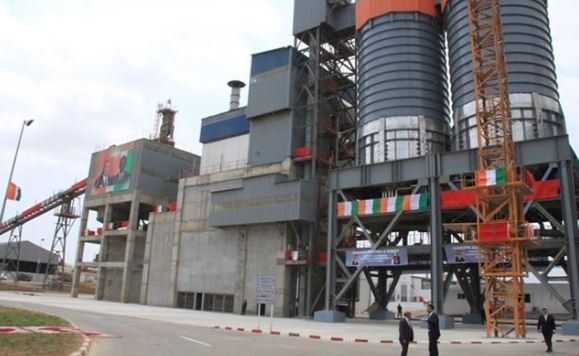
Situated near Abidjan, the Zones Industrielles de Côte d’Ivoire support a wide range of industrial activities that contribute to the country’s economic development.
The zone hosts businesses involved in automotive components, pharmaceuticals, agro-processing, consumer electronics, textiles, timber processing, and fast-moving consumer goods. It also supports value-added processing of important agricultural commodities, including cocoa, cashew nuts, rubber, palm oil, and fruits.
With access to one of West Africa’s largest economies and major transportation networks, the zone continues to attract manufacturing investment.
Bugesera Special Economic Zone (BSEZ), Rwanda
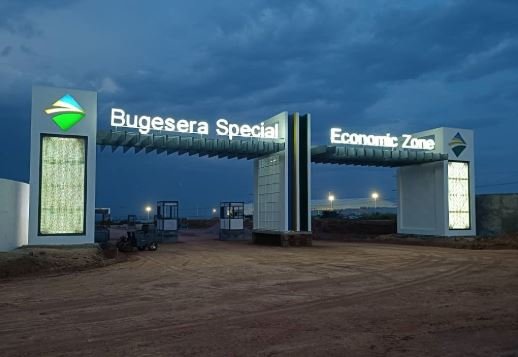
The Bugesera Special Economic Zone reflects Rwanda’s commitment to industrialization and export-oriented development. Designed as a multi-sector industrial hub, the zone accommodates businesses across a broad range of industries.
Investment opportunities exist in agro-processing, pharmaceuticals, packaging, construction materials, timber processing, waste management, and animal husbandry. The zone also supports manufacturing activities aimed at serving both domestic and regional markets.
Its business-friendly environment and expanding industrial infrastructure have helped position it as a growing manufacturing destination in East Africa.
Zone Industrielle du Logone (ZILOG), Chad
The Zone Industrielle du Logone represents an important industrial development initiative in Chad. Covering a large area dedicated to industrial activity, the zone focuses primarily on livestock and agro-industrial value chains.
Meat processing, agricultural transformation, food production, and related industries are central to the zone’s development strategy. By encouraging local processing, ZILOG aims to increase the value generated from agricultural resources while creating employment opportunities and supporting export growth.
Its integrated industrial approach positions it as a significant investment destination within Central Africa.
Zone Industrielle de Sarh (ZISARH), Chad
Located in Sarh, one of Chad’s most important commercial centers, the Zone Industrielle de Sarh was developed to strengthen industrial activity in the southern part of the country.
The zone benefits from its position within a productive agricultural region and serves as a platform for manufacturing, processing, logistics, and export-oriented businesses. Its transportation links provide access to domestic and regional markets, creating opportunities across multiple industrial sectors.
As part of Chad’s broader industrial development strategy, the zone supports efforts to expand local production and attract long-term investment.
Gabon Special Economic Zone (GSEZ), Gabon
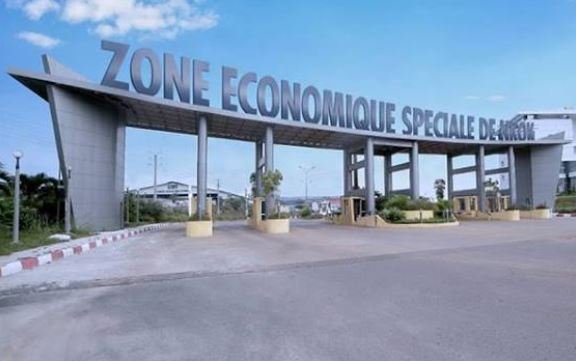
Located in Nkok, the Gabon Special Economic Zone has become a leading example of industrial development centered on sustainable resource utilization.
The zone is widely recognized for its timber-processing industry, which transforms locally sourced wood into higher-value products such as furniture, plywood, veneer, and engineered wood materials. This approach allows Gabon to capture greater economic value from its natural resources while supporting sustainable industrial growth.
The zone also hosts a growing number of manufacturing and industrial enterprises that contribute to economic diversification.
Congo Industrial Platform (CIP), Democratic Republic of Congo
Located in Kinshasa, the Congo Industrial Platform serves one of Africa’s largest and fastest-growing urban markets. The zone has been developed to support industrialization through value-added manufacturing and resource processing.
A major focus of the platform is timber and wood transformation, leveraging the country’s vast forest resources. Businesses operating within the zone are also active in consumer goods manufacturing, pharmaceuticals, electronics, and other industrial sectors that benefit from direct access to a large consumer base.
The platform’s strategic location and emphasis on local processing make it an important contributor to industrial growth in Central Africa.
Plateformes Industrielles du Congo (PIC), Republic of Congo
The Plateformes Industrielles du Congo encompasses industrial developments across Pointe-Noire, Oyo, and Ouesso. Together, these locations support the country’s efforts to diversify beyond dependence on oil revenues.
The industrial platforms focus on timber processing, construction materials, chemicals, mining-related industries, and resource transformation. Opportunities exist in furniture manufacturing, paper production, engineered wood products, chemical processing, and metal refining.
By encouraging domestic industrial activity, the platforms contribute to economic diversification and long-term industrial growth.
Why Industrial Zones Matter for Investors
Industrial zones play a critical role in creating environments where businesses can grow efficiently. By concentrating infrastructure, utilities, logistics services, and regulatory support within designated areas, these zones reduce many of the barriers that traditionally limit industrial development.
For investors, this often translates into lower operating costs, improved market access, stronger supply chains, and opportunities to participate in rapidly expanding sectors. For governments, industrial zones support job creation, export growth, technology transfer, and economic diversification.
Africa’s Expanding Industrial Future
As African economies continue to pursue industrialization, Special Economic Zones and integrated industrial platforms are expected to remain key drivers of growth. Their ability to attract investment, encourage value-added production, and strengthen regional trade makes them essential components of long-term economic development strategies.
From the forests of Central Africa and the agricultural heartlands of West Africa to the manufacturing centers of East Africa, these industrial zones demonstrate the continent’s growing capacity to compete in global production and trade. For businesses seeking long-term opportunities, they represent some of the most significant industrial investment destinations across Africa.
Frequently Asked Questions and Answers
What Makes Industrial Zones Attractive to Investors?
Industrial zones provide businesses with infrastructure, logistics support, utility services, and streamlined regulations that make it easier and more cost-effective to operate and expand.
Why Are African Industrial Zones Becoming More Important?
These zones help African countries move beyond exporting raw materials by encouraging local manufacturing, processing, and value addition, which strengthens economic growth.
Which Industries Are Most Commonly Found in These Zones?
Agro-processing, timber and wood manufacturing, pharmaceuticals, textiles, consumer goods, construction materials, electronics, and resource processing are among the leading industries.
How Do Industrial Zones Support Export Growth?
Many zones are strategically located near ports, highways, and trade corridors, allowing businesses to access regional and international markets more efficiently.
Why Is Agro-Processing a Major Investment Opportunity?
Africa has abundant agricultural resources, and processing products such as cotton, cocoa, cashew nuts, cassava, and soybeans locally creates higher-value products and greater export earnings.
What Role Does Infrastructure Play in Industrial Development?
Reliable roads, utilities, storage facilities, and logistics networks help businesses reduce costs, improve productivity, and strengthen supply chains.
How Do Industrial Zones Contribute to Job Creation?
By attracting manufacturers and processing companies, these zones create employment opportunities in production, logistics, administration, engineering, and support services.
Why Are Timber Processing Zones Significant?
Countries with large forest resources can generate greater economic value by producing furniture, plywood, veneer, and other finished wood products instead of exporting raw timber.
What Is the Long-Term Importance of These Industrial Hubs?
They help diversify national economies, attract foreign investment, increase exports, encourage technology transfer, and strengthen Africa’s position in global trade.