
Securing funding is one of the biggest challenges entrepreneurs face when launching or expanding a business. While many founders initially rely on personal savings or support from family and friends, those resources are often insufficient to achieve long-term growth. As a result, many startups turn to equity financing, where investors provide capital in exchange for a share of ownership.
Among the most popular equity funding options are angel investors and venture capitalists. Although both provide financial backing to promising businesses, they differ significantly in their investment strategies, expectations, involvement, and risk tolerance. Understanding these differences can help entrepreneurs pursue the financing option that best aligns with their business goals.
Understanding Angel Investors
Angel investors are individuals who invest their personal wealth into startups they believe have strong potential. Unlike institutional investors, they often make investment decisions independently and are usually willing to support companies that are still in the early stages of development.
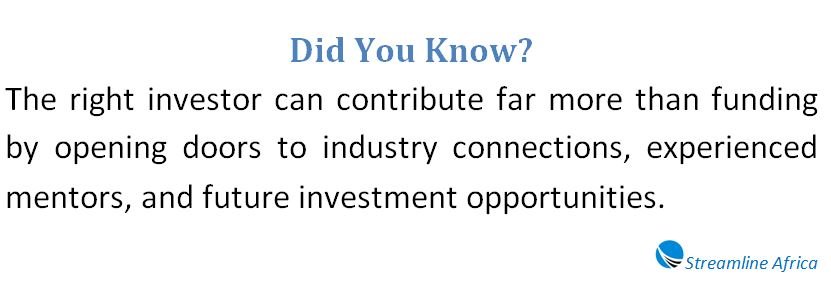
Many angel investors have built successful careers as entrepreneurs or executives before becoming investors themselves. Their experience allows them to offer more than just financial support. They frequently serve as mentors, providing guidance, business insights, and valuable introductions that can help young companies navigate common challenges.
Unlike traditional lenders, angel investors recognize that startups carry significant risks. Rather than expecting guaranteed repayment, they accept that some businesses may fail while others could generate substantial returns. This willingness to embrace uncertainty makes them an attractive funding source for entrepreneurs with innovative ideas but limited operating history.
Advantages of Working with Angel Investors
One of the biggest advantages of angel investment is accessibility. Since angel investors often focus on the founder’s vision and determination rather than lengthy financial records, startups with limited revenue may still qualify for funding.
Another benefit is flexibility. Individual investors generally have greater freedom to make decisions quickly because they are investing their own money rather than managing institutional funds. This can significantly reduce the time required to secure financing.
Angel investors also tend to maintain a collaborative relationship with founders. While they expect the business to succeed, many avoid becoming deeply involved in daily operations unless their expertise is specifically requested.
Their entrepreneurial backgrounds can prove especially valuable when founders encounter difficult decisions involving hiring, product development, pricing, or market expansion.
Potential Drawbacks of Angel Investment
Accepting angel funding also requires important compromises. Since the investment is exchanged for equity, founders must surrender a portion of ownership in their business. As the company grows, that ownership stake may become increasingly valuable.
Some angel investors also seek influence over strategic decisions. While their advice can be beneficial, disagreements regarding the company’s future direction may occasionally arise.
Founders should also recognize that investors expect their businesses to grow. Even supportive angels hope their investments will eventually generate attractive returns, which can create pressure to expand faster than originally planned.
For these reasons, entrepreneurs should carefully evaluate both the financial and personal compatibility of any potential investor before accepting funding.
What Venture Capitalists Bring to the Table
Venture capital firms operate differently from angel investors. Instead of investing personal wealth, they manage funds collected from multiple investors such as pension funds, corporations, financial institutions, and wealthy individuals.
These firms focus on identifying businesses capable of achieving rapid growth within relatively short timeframes. Their objective is to help companies scale aggressively before eventually selling their ownership through acquisitions or public stock offerings.
Because venture capital firms manage other people’s money, they typically follow structured investment processes supported by teams of analysts, financial experts, and experienced partners.
Beyond providing capital, venture capitalists often become actively involved in helping businesses reach ambitious growth targets.
Benefits of Venture Capital Funding
Perhaps the greatest advantage of venture capital is access to substantial amounts of financing. Companies requiring millions of dollars to develop technology, expand internationally, or build manufacturing capacity often find venture capital to be the most realistic funding source.
Venture capital firms also provide extensive professional networks. Portfolio companies frequently gain introductions to experienced executives, major customers, strategic partners, future investors, and industry specialists.
Many firms actively help recruit senior leadership, improve governance, strengthen operations, and prepare businesses for future fundraising rounds.
This combination of capital and expertise can significantly accelerate a startup’s growth trajectory.
Challenges of Accepting Venture Capital
The benefits of venture capital come with considerable expectations.
VC firms generally require meaningful ownership stakes and frequently request board representation. This gives them significant influence over important business decisions, including expansion plans, leadership appointments, and future financing.
Founders also face intense pressure to achieve aggressive growth. Since venture capital funds are designed to generate strong returns within specific investment periods, companies are expected to scale rapidly and increase their market value.
Businesses that fail to meet growth targets may face difficult conversations regarding restructuring, leadership changes, or early acquisition opportunities that may not align with the founder’s original vision.
Entrepreneurs considering venture capital should understand these expectations before entering negotiations.
Key Differences Between Angel Investors and Venture Capitalists
Although both investor groups finance startups, several important distinctions separate them.
Angel investors invest their own money, while venture capitalists manage pooled investments from outside contributors.
Investment sizes also differ considerably. Angel investors usually contribute smaller amounts suitable for product development, prototype creation, or early customer acquisition. Venture capital firms often invest significantly larger sums designed to fuel rapid expansion.
Their decision-making processes also vary. Angel investors can approve investments relatively quickly, whereas venture capital firms usually conduct detailed financial, operational, legal, and market evaluations before committing funds.
Another major distinction involves involvement. Angels often serve as advisors when needed, while venture capital firms typically play an active role in shaping company strategy and monitoring performance.

Which Businesses Benefit Most from Each Option?
The ideal funding source depends largely on the company’s stage of development.
Businesses that are still refining their products or validating customer demand often benefit from angel investment. These startups usually require moderate funding and appreciate the flexibility that individual investors provide.
Companies experiencing rapid customer growth or preparing for significant expansion may find venture capital more appropriate. Businesses entering new international markets, investing heavily in research, or scaling operations often need funding levels that only institutional investors can provide.
The maturity of the business, the amount of capital required, and the founder’s willingness to share control all influence the right financing decision.
Preparing a Strong Pitch for Angel Investors
When approaching angel investors, founders should focus on communicating a compelling story behind their business.
Investors often evaluate the passion, commitment, and resilience of the entrepreneur alongside the commercial opportunity. Demonstrating a clear understanding of customer problems and explaining why the business exists can be just as important as presenting financial projections.
Preparation should also include market research, competitive analysis, and a realistic explanation of how the company plans to generate revenue.
Networking plays an important role as well. Many successful investments begin with relationships developed long before funding discussions officially begin.
Presenting an Effective Venture Capital Pitch
Pitching a venture capital firm requires a more analytical approach.
VCs expect founders to present detailed financial forecasts, customer acquisition metrics, revenue models, market size estimates, and evidence that the business can scale efficiently.
Entrepreneurs should clearly explain their competitive advantage, barriers preventing competitors from easily copying the business, and strategies for expanding into larger markets.
Investors will also want to understand potential exit opportunities, including acquisitions or public offerings, because these events determine how they eventually realize returns on their investments.
Transparency is equally important. Rather than hiding weaknesses, founders should openly discuss challenges while demonstrating practical plans for overcoming them.
Making the Right Financing Decision
There is no universal answer when deciding between angel investment and venture capital. Every startup has different financial requirements, growth ambitions, and leadership preferences.
Entrepreneurs seeking flexibility, mentorship, and moderate funding often discover that angel investors provide the right balance of financial support and independence.
Meanwhile, businesses aiming for rapid expansion and large-scale market opportunities may benefit from the extensive capital, expertise, and strategic resources offered by venture capital firms.
Ultimately, the best investment partner is not simply the one offering the largest cheque, but the one whose expectations, experience, and long-term vision align with the company’s future. Careful planning, thorough preparation, and selecting investors who genuinely understand the business can lay the foundation for sustainable success.
Frequently Asked Questions
Which Type of Investor Is Better for an Early-Stage Startup?
Angel investors are generally a better fit for businesses that are still developing their products or testing the market because they are often more willing to take early risks.
Why Do Venture Capitalists Invest Larger Amounts?
Venture capital firms manage large investment funds, allowing them to finance businesses that require significant capital to expand quickly.
Do Founders Lose Control When They Accept Investment?
Yes. Both angel investors and venture capitalists usually receive equity in exchange for funding, which can reduce a founder’s ownership and influence over major business decisions.
Besides Money, What Value Do Investors Offer?
Experienced investors often provide mentorship, strategic advice, industry knowledge, and introductions to valuable business partners, customers, and future investors.
How Involved Are Venture Capitalists After Investing?
Venture capitalists usually play an active role by helping shape business strategy, monitoring performance, recruiting executives, and preparing companies for future growth.
What Should Entrepreneurs Highlight When Pitching Angel Investors?
Founders should focus on their vision, passion, market opportunity, and why they are uniquely positioned to build a successful business.
What Do Venture Capitalists Look for During a Pitch?
They want detailed financial projections, evidence of market demand, competitive advantages, scalability, and a realistic plan for generating strong returns.
Can a Startup Fail Without Repaying Investors?
Unlike traditional loans, equity investments typically do not require repayment if the business fails, although founders will have given up ownership in exchange for the funding.
Which Funding Option Is Best for Rapid Expansion?
Venture capital is generally better suited for companies planning aggressive growth, international expansion, or large-scale product development.
How Can Entrepreneurs Choose the Right Investor?
The best choice depends on the startup’s stage, funding needs, growth ambitions, and the amount of ownership and decision-making control the founder is willing to share.