
Our investment advisory team views The Gambia as a small but commercially relevant West African market with opportunities in tourism, agriculture, trade, construction and selected services. Its limited population, narrow resource base and modest domestic purchasing power constrain the scale of potential investments. However, political stability, an English-speaking business environment and access to regional markets provide a useful foundation for carefully targeted ventures.
From our assessment, the country’s economic performance remains closely tied to improvements in infrastructure, institutional efficiency and social-service delivery. Investors must account for weaknesses in healthcare, transport, electricity supply, financing and administrative capacity. These factors can increase operating costs and delay implementation. Nevertheless, The Gambia can offer attractive prospects to investors who adopt a long-term strategy, conduct thorough due diligence and develop strong local partnerships.
Tourism as a Priority Investment Sector
We consider tourism one of The Gambia’s most established and investable sectors. The country’s Atlantic coastline, tropical climate, cultural assets and international accessibility have supported its position as a winter destination for European travellers. However, the sector remains highly seasonal and vulnerable to disruptions in international travel demand.
In our view, future investment should focus on expanding the tourism product beyond conventional beach holidays. Opportunities exist in eco-tourism, birdwatching, river-based recreation, cultural heritage, wellness tourism, community experiences and small-scale luxury accommodation. These segments could attract higher-spending visitors and support a longer operating season.
The country’s tourism diversification agenda also creates opportunities in transportation, hospitality training, digital booking services, food supply, entertainment and destination management. We advise investors to prioritise service quality, environmental sustainability and stronger links with local suppliers. Tourism businesses that source produce, crafts and support services domestically are more likely to create resilient operations and strengthen their market positioning.
Agriculture and Agro-Processing Opportunities
Agriculture remains an important source of employment and rural income, although production is limited by low mechanisation, irregular rainfall, inadequate storage and restricted access to finance. Groundnuts continue to represent one of the country’s most recognised agricultural exports.
Our analysis suggests that the greatest commercial value lies in processing rather than the export of raw commodities. Investment opportunities include groundnut oil production, packaged food products, animal feed, confectionery inputs and improved storage facilities. Additional capital in grading, packaging, quality assurance and logistics could reduce post-harvest losses and improve competitiveness in regional and international markets.
We also see potential in horticulture, poultry production, irrigation systems, cold-chain infrastructure and agricultural inputs. However, investors should carefully assess water supply, production volumes, farmer coordination, transport networks and market-access conditions before committing resources.
Regional Trade and Distribution Potential
Because The Gambia’s domestic market is limited, we believe many businesses should be designed with regional expansion in mind. The country’s participation in West African and continental trade arrangements creates opportunities to serve markets beyond its borders.
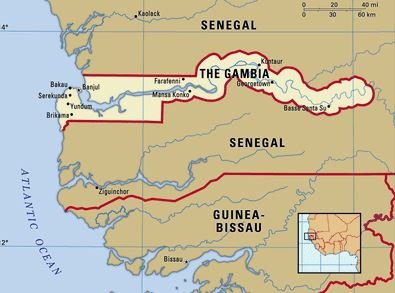
Its geographic relationship with Senegal supports potential investment in warehousing, logistics, distribution, import services and cross-border commerce. The port and the country’s relatively open commercial orientation may also support businesses seeking access to surrounding markets.
However, our advisory team cautions that formal trade agreements do not eliminate practical obstacles. Investors should prepare for customs procedures, border delays, transport limitations and regulatory differences across jurisdictions. Regional strategies require strong compliance systems and reliable logistics partners.
Urbanisation and tourism-related development may also support investment in construction, housing, telecommunications, professional services and consumer-facing businesses.
Key Risks Affecting Investment Decisions
The Gambia continues to face significant development constraints. Poverty, weak infrastructure, limited public services and restricted access to affordable financing can reduce consumer demand and increase business costs. Electricity reliability, transport efficiency and administrative delays remain important operational concerns.
The legal framework draws heavily from English common law, which may be familiar to international investors. However, the court system faces capacity and organisational limitations that can slow dispute resolution. We therefore recommend clear contractual protections, detailed documentation and the inclusion of appropriate dispute-resolution mechanisms in major transactions.
Fisheries also require careful consideration. The sector has export and employment potential, but over-fishing threatens sustainability. Responsible investment should therefore incorporate traceability, environmental safeguards, regulatory compliance and local processing.
Establishing a Business in The Gambia
Foreign investors can begin engagement with the national investment authority through electronic communication. We recommend early consultation with legal advisers, regulators and sector-specific agencies to clarify licensing, incentives, tax obligations and documentation requirements.
Land transactions require particularly careful scrutiny. Foreign investors generally access property through long-term leaseholds, while freehold ownership is more restricted. Title verification, boundary confirmation and independent legal review are essential because land records may be incomplete or contested.
Although the country promotes itself as a liberalised and investor-friendly economy, successful market entry depends on realistic expectations. Investors should build additional time into project schedules, maintain strong internal controls and avoid relying solely on informal commitments.

Cultural and Security Considerations
Our team considers relationship management an important part of doing business in The Gambia. Professional engagement is often strengthened by patience, courtesy and personal trust. Investors should communicate respectfully and avoid unnecessarily confrontational approaches.
Political discussions can be sensitive, and international visitors should exercise discretion. Awareness of local customs and gestures is also important, as behaviour that appears harmless elsewhere may be considered inappropriate.
Travel near the southern border with Senegal’s Casamance region should be assessed carefully. Although The Gambia is generally regarded as stable, investors should monitor local security developments and review travel arrangements when operating near sensitive areas.
Investment Outlook
From an advisory perspective, The Gambia is best suited to focused investors rather than businesses seeking immediate large-scale expansion. Tourism diversification, agro-processing, logistics, construction and selected service industries represent the most promising areas.
We believe the strongest investment cases will combine sound financial planning, effective local partnerships, environmental responsibility and a realistic understanding of institutional limitations. The market rewards patience, adaptability and careful execution. Investors who enter with a specialised offering and a regional growth strategy may find opportunities that are disproportionate to the country’s small size.
Commonly Asked Questions about Investing in The Gambia
Why should investors consider The Gambia?
The Gambia offers targeted opportunities in tourism, agro-processing, logistics, construction and professional services. Its political stability and access to regional markets strengthen its appeal despite its small domestic economy.
What is the country’s most promising investment sector?
Tourism remains one of the strongest sectors. Investors can explore eco-tourism, cultural tourism, river experiences, boutique accommodation, wellness travel and hospitality-related services.
Why is tourism diversification important?
The traditional tourism market depends heavily on European winter travellers. Expanding into new visitor segments can reduce seasonality, attract higher-spending tourists and support year-round business activity.
What agricultural opportunities are available?
Groundnut processing, horticulture, poultry, irrigation, cold storage and agricultural inputs offer potential. The most attractive investments are those that convert raw produce into higher-value products.
Why should businesses consider regional expansion?
The Gambia’s domestic market is relatively small. Investors may achieve greater scale by using the country as a base for trade, logistics and distribution across Senegal and wider West Africa.
What are the main operational risks?
Businesses may face unreliable infrastructure, limited access to affordable finance, administrative delays, weak public services and inconsistent regulatory implementation.
How should investors approach land acquisition?
Foreign investors commonly obtain land through long-term leaseholds. Independent title verification, boundary checks and legal due diligence are essential before completing any transaction.
Is the legal environment suitable for investors?
The legal system is influenced by English common law, which may be familiar to international companies. However, court delays and limited institutional capacity make strong contracts and dispute-resolution clauses important.
What opportunities exist in the fisheries sector?
Fisheries can support exports, employment and local food supply. Investment should focus on sustainable harvesting, cold storage, traceability, processing and compliance with environmental regulations.
What type of investor is most likely to succeed?
Investors with specialised offerings, realistic expectations, trusted local partners and a long-term regional strategy are best positioned to succeed in The Gambia.