

Starting a restaurant is often driven by passion—whether it’s a love for food, a cherished family recipe, or the dream of creating a vibrant gathering place. But behind every successful dining establishment lies a foundation of careful planning, strategic thinking, and realistic expectations. Many aspiring restaurateurs underestimate the complexity involved, focusing more on the excitement than the preparation.
If you’re thinking about launching your own restaurant, it’s essential to approach the journey with clarity and foresight. Below is a reimagined guide that walks through seven critical factors you should evaluate before opening your doors, along with the tools that can help you succeed.
Crafting a Name That Leaves an Impression
Imagine a conversation where someone casually mentions a restaurant, and suddenly everyone at the table wants to know more. That’s the power of a compelling name. It’s not just a label—it’s your first marketing tool.
Take, for example, a fictional restaurant owner named Kofi Mensah in Accra. Instead of naming his restaurant something generic like “Kofi’s Kitchen,” he chose “Golden Palm Bistro,” inspired by Ghana’s iconic palm trees and warm hospitality. The name sparked curiosity and created a strong identity before customers even saw the menu.
A great restaurant name should reflect your concept, be easy to remember, and stand out both online and offline. In today’s digital world, where customers scroll through endless options on apps and maps, your name can be the difference between being noticed and being ignored.
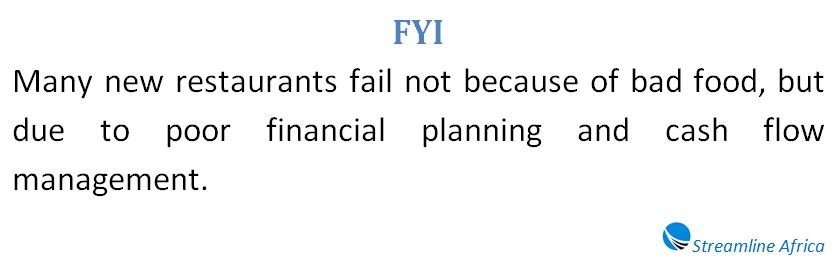
Securing Enough Funding—and Then Some
One of the biggest hurdles in opening a restaurant is financing. Costs can escalate quickly—from leasing a space and renovating it to purchasing equipment and hiring staff.
Consider the story of Ama Boateng, who planned to open a mid-sized café in Kumasi. Initially, she budgeted just enough to cover setup costs. However, unexpected expenses—like electrical upgrades and supplier delays—forced her to pause operations before even opening.
The lesson here is simple: always overestimate your financial needs. A practical approach is to budget beyond your initial projections and ensure you have enough reserves to sustain operations for several months without profit. Many successful restaurateurs combine personal savings, loans, and investor contributions to build a financial cushion.
A well-structured business plan becomes crucial at this stage. It not only outlines your vision but also serves as a roadmap for securing funding and managing expenses effectively.
Choosing the Right Location with Strategic Intent
Location isn’t just about finding a beautiful space—it’s about aligning your restaurant with customer behavior and financial viability.
Picture a bustling street in East Legon versus a quiet residential area on the outskirts of town. While the quieter location might offer lower rent, it may not generate the foot traffic needed to sustain your business.
Another important factor is space utilization. A restaurant that’s too small may limit revenue potential, while an oversized space can inflate costs unnecessarily. Smart planning involves calculating how many customers you need to serve daily to break even and ensuring your location supports that goal.
Parking availability, accessibility, and visibility all play significant roles. If customers struggle to find your restaurant or park nearby, they’re likely to choose a more convenient option.

Building Awareness Through Smart Marketing
Opening a restaurant without a marketing plan is like hosting a party without sending invitations. You might have everything ready, but no one shows up.
Modern marketing goes beyond flyers and word-of-mouth. Social media platforms, search engines, and influencer collaborations have transformed how restaurants attract customers.
Take the example of a fictional eatery called “Spice Route Grill” in Tema. Before its grand opening, the owner partnered with local food bloggers to create engaging video content showcasing signature dishes. These videos were shared widely, generating buzz and anticipation.
In addition, understanding online search trends can give you an edge. If thousands of people are searching for “best seafood restaurant near me,” positioning your restaurant within that demand can significantly boost visibility.
Your website also matters. A clean, mobile-friendly design with clear information—menu, location, hours—can make a strong first impression and convert visitors into customers.
Navigating Licenses and Regulatory Requirements
Before serving your first meal, you’ll need to navigate a maze of permits and regulations. These requirements vary depending on your location but typically include health inspections, building approvals, and operational licenses.
For instance, a restaurateur named Daniel Owusu in Takoradi faced delays because he overlooked certain inspection requirements during renovation. This pushed back his opening date and increased costs.
To avoid such setbacks, start early. Engage with local authorities, understand the necessary documentation, and build a checklist to track your progress. Among all permits, health and safety approvals are particularly critical, as they directly impact your ability to operate.
Establishing a good relationship with regulatory bodies can also make future processes smoother, especially as your business grows.
Defining and Understanding Your Target Audience
Not every restaurant is meant for everyone. Identifying your ideal customer helps shape every aspect of your business—from menu design to pricing and ambiance.
Consider a scenario where a restaurant targets young professionals. The menu might feature quick, trendy meals, while the interior design emphasizes a modern, Instagram-worthy aesthetic. On the other hand, a family-oriented restaurant may focus on larger portions, affordable pricing, and a relaxed atmosphere.
Understanding your audience involves asking key questions:
- What is their income level?
- When are they most likely to dine out?
- How far are they willing to travel?
- What dining experience do they expect?
When you clearly define your target market, you can tailor your offerings to meet their needs, increasing customer satisfaction and loyalty.
Studying the Competition to Find Your Edge
Competition is inevitable in the restaurant industry, but it doesn’t have to be intimidating. In fact, it can be a valuable source of insight.
Imagine walking into several restaurants in your chosen area before opening your own. You observe their menu pricing, customer service, peak hours, and even customer complaints. These observations become lessons that help you refine your concept.
A restaurateur named Yaw Asante in Cape Coast did exactly this. He noticed that while many local restaurants offered great food, service was often slow. He built his business around speed and efficiency, which quickly became his competitive advantage.
Regularly analyzing your competitors ensures you stay relevant. Trends change, customer preferences evolve, and new players enter the market. Staying informed allows you to adapt and maintain your position.
Leveraging Technology to Streamline Operations
Running a restaurant involves juggling multiple tasks—from processing orders to managing staff schedules. Without the right tools, these responsibilities can quickly become overwhelming.
Technology offers solutions that simplify operations and reduce human error. A reliable point-of-sale system connects the front and back of the house, ensuring orders are processed accurately and efficiently. Meanwhile, accounting software helps you track expenses and understand your financial health without needing advanced expertise.
Communication tools, such as business phone systems, ensure you never miss customer inquiries or reservations. Payment processing solutions allow customers to pay بسهولة using their preferred methods, enhancing their overall experience.
Human resource management software is another valuable asset. It helps organize staff schedules, manage payroll, and maintain employee records, freeing up your time to focus on growth.
For larger operations, an integrated restaurant management system can combine multiple functions—inventory tracking, staff management, and sales analysis—into one platform, providing a comprehensive view of your business.
Turning Vision into Reality
Opening a restaurant is both exciting and demanding. It requires more than culinary skill—it demands strategic thinking, financial discipline, and a deep understanding of your market.
From choosing a memorable name to analyzing your competition and adopting the right technology, each decision plays a role in shaping your success. By approaching each step thoughtfully and preparing for challenges ahead, you position yourself not just to open a restaurant, but to build one that thrives.
Ultimately, the difference between a restaurant that survives and one that flourishes lies in preparation. With the right foundation, your dream can evolve into a sustainable and rewarding business.
Very Important Highlights
A Memorable Name Sets the Tone
A unique and catchy restaurant name creates curiosity and helps your brand stand out in crowded listings and conversations.
Funding Requires a Safety Cushion
It’s not enough to cover startup costs—you need extra capital to handle surprises and sustain operations during the early months.
A Strong Business Plan Guides Everything
Your business plan acts as both a roadmap and a tool for attracting investors and managing growth.
Location Can Make or Break Success
Choosing a visible, accessible spot with enough space and foot traffic is critical to profitability.
Space Must Match Financial Goals
The size and layout of your restaurant should support the number of customers needed to stay profitable.
Marketing Starts Before Opening Day
Building buzz through social media, influencers, and local partnerships helps ensure a strong launch.

A Simple Website Wins More Customers
Clean, mobile-friendly websites make it easier for customers to find information and choose your restaurant.
Licenses and Permits Take Time
Regulatory requirements can delay your opening if not handled early and carefully.
Knowing Your Target Audience Is Essential
Understanding who you want to serve shapes your menu, pricing, and overall dining experience.
Competitor Research Gives You an Advantage
Studying nearby restaurants helps you learn what works—and where you can do better.
Technology Simplifies Daily Operations
Using tools like POS systems, accounting software, and HR platforms helps reduce errors and improve efficiency.