
Across the globe, investors are constantly searching for industries capable of delivering sustainable growth, strong returns, and long-term economic impact. One sector increasingly attracting attention is agricultural processing in Africa. While the continent has long been recognized for its agricultural abundance, a new opportunity is emerging—not simply in growing crops, but in transforming raw agricultural products into higher-value goods.
From fertile river valleys in East Africa to expansive farming regions in Southern Africa, countries across the continent are working to strengthen local manufacturing capabilities and reduce reliance on exporting unprocessed commodities. This shift is creating profitable opportunities for businesses willing to invest in value-added agricultural industries.
Industry analysts predict that Africa’s food and agriculture economy will continue expanding rapidly over the next decade, driven by population growth, urbanization, and rising consumer demand. Investors who enter the sector early stand to benefit from increasing domestic consumption as well as growing export markets.
Below are ten promising agricultural processing opportunities that demonstrate the potential of Africa’s evolving agribusiness landscape.
1. Greenhouse Horticulture
Advances in greenhouse technology have opened new possibilities for commercial horticulture across Africa. Controlled-environment production allows growers to supply high-quality vegetables, herbs, and flowers throughout the year.
Processing and packaging operations associated with greenhouse farming can target supermarkets, hospitality businesses, and export buyers. Consistent production volumes and improved product quality often result in stronger pricing and reduced weather-related risks.
As urban populations expand, demand for fresh produce is expected to continue increasing, making greenhouse horticulture an attractive investment category.
2. Macadamia Nut Processing
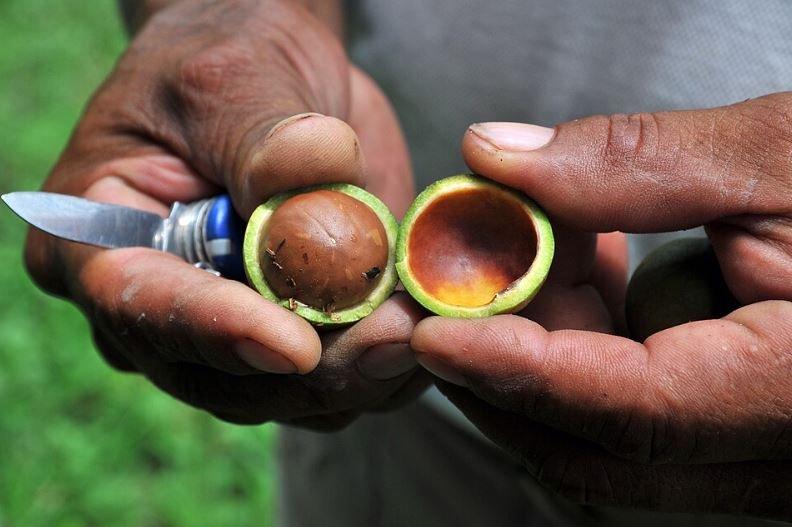
In the highland regions of countries such as Rwanda and Tanzania, macadamia cultivation has expanded significantly in recent years. While many farmers currently export raw nuts, substantial profits can be generated through local processing.
Processed macadamia kernels command higher prices in international markets, particularly in Europe, Asia, and North America. Businesses can further diversify income streams by producing macadamia oil for cosmetics and gourmet food applications. Shell residues can also be converted into biomass fuel, reducing waste while creating additional revenue.
As global demand for healthy snacks continues to rise, processing facilities that add value locally are well-positioned for long-term success.
3. Sesame Seed Processing

Sesame is one of Africa’s most widely cultivated export crops, yet much of it leaves the continent in raw form. Countries including Sudan, Mozambique, and Uganda produce large volumes annually.
Investors can capitalize on growing international demand by establishing facilities that process sesame into edible oils, tahini, and packaged food ingredients. The increasing popularity of plant-based foods and natural cooking oils has further strengthened the market outlook.
By processing sesame domestically, businesses can capture a larger share of the value chain while creating employment opportunities within rural communities.
4. Bamboo-Based Manufacturing

Bamboo is emerging as a valuable agricultural resource due to its rapid growth and environmental benefits. Several African nations possess suitable conditions for large-scale bamboo cultivation.
Processing bamboo into flooring materials, furniture, construction products, and paper alternatives presents a compelling investment opportunity. Global demand for sustainable building materials continues to increase, making bamboo-based products attractive to environmentally conscious consumers.
Unlike many traditional crops, bamboo offers multiple harvest cycles and supports both industrial and environmental objectives.
5. Vegetable Dehydration and Packaging
Large quantities of vegetables are lost annually due to inadequate storage and transportation systems. This challenge creates an opportunity for investors interested in food preservation technologies.
Dehydrated onions, tomatoes, peppers, and leafy vegetables have growing demand among food manufacturers, restaurants, and export buyers. Processing facilities can help reduce post-harvest losses while extending product shelf life.
With increasing consumer interest in convenience foods, packaged dehydrated vegetables offer significant market potential across both domestic and international channels.
6. Groundnut Oil Production

Groundnuts remain a staple crop across numerous African countries. Although production levels are high, processing capacity often remains limited.
Establishing facilities to produce refined groundnut oil, peanut butter, and protein-rich food products can generate strong returns. Consumer demand for cooking oils continues to expand across urban markets, creating reliable local sales opportunities.
Processing by-products can be used in livestock feed manufacturing, ensuring minimal waste and maximizing profitability throughout the production cycle.
7. Wool and Textile Development
In various highland regions of Eastern and Southern Africa, sheep farming contributes significantly to rural economies. However, much of the wool produced receives limited local processing.
Modern textile facilities can transform raw wool into yarns, fabrics, blankets, and garments for domestic and export markets. Rising interest in locally manufactured products and sustainable fashion creates favorable conditions for industry expansion.
Developing stronger textile value chains can also reduce dependence on imported fabrics while stimulating broader industrial growth.
8. Sunflower Seed Processing
Sunflower cultivation has expanded steadily due to strong demand for vegetable oils and animal feed products. Investors entering this sector can benefit from multiple revenue streams.
Processing facilities can extract sunflower oil for retail markets while utilizing residual seed cake as livestock feed. The versatility of sunflower products supports profitability and reduces exposure to market fluctuations.
As populations grow and food consumption rises, edible oil production remains one of the most resilient agribusiness segments.
9. Sweet Potato Processing
Sweet potatoes have become increasingly important as consumers seek affordable and nutritious food options. Several African countries have expanded production, creating opportunities for industrial processing.
Investors can produce sweet potato flour, starch, chips, and baking ingredients for commercial markets. Orange-fleshed sweet potatoes, known for their high vitamin content, are particularly attractive for health-focused food products.
Beyond food applications, sweet potato starch also serves industrial uses, opening additional market possibilities for processors.
10. Coffee Value Addition

Africa produces some of the world’s most sought-after coffee varieties. Yet many producers continue exporting raw beans rather than capturing value through local processing.
Opportunities exist in roasting, grinding, packaging, and branding premium coffee products for international and regional markets. Specialty coffee consumption continues expanding worldwide, creating strong demand for differentiated products.
Investors who focus on quality control, traceability, and branding can significantly increase profit margins compared to raw commodity exports.
Building the Foundation for Success
While agricultural processing offers substantial opportunities, success depends on more than crop availability alone. Efficient logistics, reliable energy supply, modern storage systems, and transportation infrastructure all play critical roles in enabling competitive operations.
Many African governments have recognized this need and are investing heavily in industrial parks, logistics corridors, and agricultural development initiatives. These projects aim to improve market access, reduce operating costs, and encourage private-sector participation.
Cold storage facilities, processing hubs, and improved road networks are helping farmers connect more effectively with manufacturers and consumers. Such investments strengthen entire value chains and improve the viability of agricultural processing ventures.
Financial institutions and development agencies are also increasing support for agribusiness projects through specialized funding programs and technical assistance initiatives. These resources can help investors overcome common barriers to entry while accelerating project implementation.
Why the Future Looks Promising
Several factors combine to make agricultural processing one of Africa’s most compelling investment opportunities.
First, population growth continues to drive demand for food products across the continent. Second, urbanization is increasing consumer preference for packaged and processed goods. Third, governments are actively promoting industrialization strategies that encourage domestic value addition rather than raw commodity exports.
At the same time, international buyers are seeking reliable suppliers of sustainably produced agricultural products. This trend creates additional opportunities for African processors to compete in global markets.
By investing in facilities that transform agricultural outputs into finished products, businesses can capture greater value, generate employment, and contribute to broader economic development.
Frequently Asked Questions
Why is agricultural processing attracting investors?
Processing agricultural products creates additional value beyond raw commodity sales. This increases profit potential while supporting local industries and job creation.
Is agribusiness a long-term opportunity?
Yes. Rising populations, growing food demand, and expanding export markets provide strong foundations for sustained growth over the coming decades.
Which sectors offer the fastest growth potential?
Food ingredients, edible oils, specialty exports, packaged foods, and agricultural manufacturing are among the fastest-growing segments.
What should investors consider before entering the market?
Market research, supply chain reliability, infrastructure availability, financing options, and regulatory requirements should all be carefully evaluated before launching a project.
Africa’s agricultural future extends far beyond cultivation. The real opportunity lies in processing, packaging, and manufacturing products that capture more value within the continent. Investors who recognize this transformation today may be positioned to benefit from one of the world’s most dynamic growth stories tomorrow.