
Africa’s energy landscape presents one of the most compelling infrastructure and development investment opportunities of the coming decades. Across the continent, unreliable electricity supply continues to constrain productivity, increase operating costs, and limit the expansion of households, enterprises, public institutions, and industrial activity. In many markets, businesses and communities rely heavily on petrol and diesel generators to manage grid instability. While these systems provide short-term backup power, they remain expensive, inefficient, environmentally harmful, and operationally unsustainable.
The economic implications are significant. Rising fuel prices have increased the cost of doing business, weakened household purchasing power, and contributed to broader energy poverty. For enterprises, recurring expenditure on generator fuel reduces margins and diverts capital away from expansion, technology adoption, workforce development, and productivity improvements. For public services, unreliable energy undermines healthcare delivery, education, digital access, and community development.
Against this backdrop, solar energy is emerging as a strategic solution with strong commercial, social, and environmental relevance. Africa possesses abundant solar resources, a growing demand base, expanding urban and rural energy markets, and increasing policy attention on renewable energy. These factors position the continent as a high-potential destination for investors seeking long-term exposure to clean energy infrastructure, distributed power systems, and climate-aligned economic growth.
Africa’s Structural Advantage in Solar Power
Africa has a natural competitive advantage in solar energy generation. Many countries across the continent receive high levels of solar irradiation and experience extended periods of sunshine throughout the year. This creates favourable technical conditions for solar power deployment across residential, commercial, industrial, agricultural, and public-sector use cases.
Despite this resource advantage, Africa’s share of global solar generation remains disproportionately low. Historically, energy sector development has been concentrated around fossil fuels, hydropower, and centralized grid infrastructure. While these systems have played an important role in national development, they have not been sufficient to meet the continent’s growing electricity demand.
This gap creates a sizeable market opportunity. Population growth, urbanization, industrial expansion, digitalization, and rising household energy needs are increasing demand for reliable electricity. Solar power, supported by battery storage and flexible financing models, can help meet this demand faster than traditional grid extension alone.
From an investor perspective, the opportunity is not limited to utility-scale solar farms. Distributed solar systems, commercial and industrial solar solutions, mini-grids, off-grid residential systems, agricultural energy solutions, and energy storage platforms all represent viable segments for capital deployment. As technology costs decline and business models mature, these segments are expected to become increasingly attractive across multiple African markets.
Addressing the Energy Access Deficit
One of the strongest investment drivers for solar energy in Africa is the continent’s persistent electricity access gap. Many rural and peri-urban communities remain underserved by national grids, while urban areas often experience unstable supply. Extending conventional transmission and distribution infrastructure to remote communities is capital-intensive, time-consuming, and often commercially challenging.
Solar energy offers a more adaptable solution. Standalone household systems, institutional solar installations, and community mini-grids can deliver electricity without requiring full dependence on large-scale transmission infrastructure. This makes solar particularly suitable for markets where grid expansion is slow or financially constrained.
The development impact is broad. Solar electricity can support lighting, mobile connectivity, refrigeration, water pumping, irrigation, small-scale processing, healthcare services, and digital learning. These use cases create demand across sectors and strengthen the commercial case for investment.
For investors, energy access solutions can generate both financial returns and measurable impact. Well-structured solar projects can support inclusive growth while aligning with environmental, social, and governance objectives. This is particularly relevant for development finance institutions, impact investors, infrastructure funds, climate finance vehicles, and private equity platforms seeking scalable opportunities in emerging markets.
Commercial and Industrial Solar as a Growth Segment
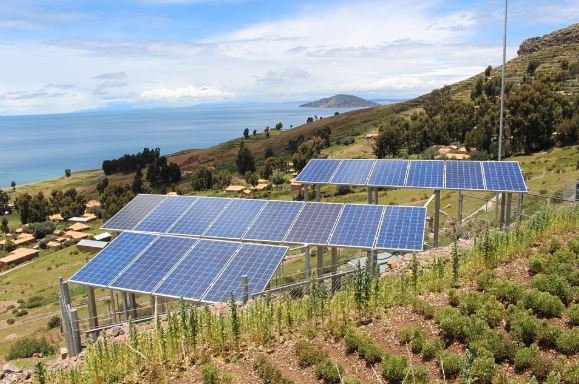
The commercial and industrial segment is one of the most attractive areas for solar investment in Africa. Businesses across the continent face high electricity costs due to grid unreliability and dependence on generators. Solar systems allow enterprises to reduce fuel expenditure, stabilize power supply, and improve long-term cost predictability.
Manufacturers, agro-processors, cold storage operators, logistics companies, hospitality businesses, retailers, schools, hospitals, and office complexes all represent potential customers for solar solutions. In many cases, energy savings can be substantial enough to support attractive payback periods, particularly where generator use is frequent.
For small and medium-sized enterprises, reliable power can directly improve productivity and competitiveness. For larger companies, solar adoption can support cost efficiency, operational resilience, sustainability reporting, and decarbonization targets. This creates a strong business-to-business market for solar developers, financiers, equipment providers, and energy service companies.
The growth of power purchase agreements, lease-to-own models, embedded generation solutions, and energy-as-a-service platforms is helping reduce upfront cost barriers. These models allow customers to access solar power while investors earn predictable revenue over time. As corporate demand for reliable and cleaner energy increases, the commercial and industrial market is likely to remain a key growth engine.
Policy Reform and Capital Mobilization
The pace of solar adoption in Africa will depend heavily on policy stability, regulatory clarity, financing availability, and investor confidence. While demand is evident, several barriers continue to affect market growth. These include high upfront installation costs, limited access to affordable credit, import duties on equipment, foreign exchange constraints, weak grid infrastructure, and inconsistent regulatory frameworks.
Policy reform is therefore central to unlocking capital at scale. Governments can accelerate investment by creating predictable energy regulations, streamlining licensing processes, enabling private-sector participation, supporting net metering where appropriate, improving quality standards, and reducing barriers to renewable energy equipment deployment.
A supportive policy environment can lower risk perception and attract domestic and international capital. Investors typically favour markets where rules are clear, contracts are enforceable, tariffs are commercially viable, and institutions provide regulatory consistency. Countries that implement these reforms are more likely to become competitive destinations for renewable energy investment.
Financing innovation is equally important. Many potential customers cannot afford large upfront payments, even when solar makes economic sense over the long term. Pay-as-you-go models, credit guarantees, blended finance, concessional capital, local currency financing, and public-private partnerships can help address affordability constraints and improve project bankability.
Employment, Industrialization, and Local Value Creation
Solar energy investment can also support broader economic transformation. As the sector expands, demand will grow for engineers, technicians, electricians, sales professionals, project managers, maintenance teams, finance specialists, software providers, and customer support personnel. This creates meaningful opportunities for youth employment and technical skills development.
Beyond job creation, solar energy can contribute to local industrialization. African markets have the opportunity to develop value chains in equipment assembly, battery services, distribution logistics, installation, monitoring technology, maintenance, and recycling. Countries that invest in skills, standards, and industrial policy can capture more value locally rather than depending entirely on imported solutions.
For investors, local value creation can improve market acceptance, reduce operational risks, and support long-term sustainability. Partnerships with local firms, training institutions, governments, and community organizations can strengthen execution capacity while improving social impact outcomes.
Social Infrastructure and Development Impact
Solar power has significant relevance for social infrastructure. Healthcare facilities require reliable electricity for lighting, refrigeration, diagnostic equipment, maternity care, emergency response, and digital health systems. Schools need electricity for computers, internet access, evening study, and modern teaching tools. Agricultural communities need power for irrigation, milling, drying, storage, and processing.
These sectors represent important investment and partnership opportunities. Solar solutions for hospitals, schools, farms, and public institutions can be structured through government programmes, donor-supported platforms, private-sector delivery models, or blended finance mechanisms. The ability to combine commercial viability with measurable development impact makes these projects especially attractive to mission-driven investors.
Strategic Outlook for Investors
Africa’s solar sector offers a strong long-term investment thesis supported by structural demand, abundant natural resources, improving technologies, policy momentum, and rising interest in climate-aligned infrastructure. The continent’s energy deficit is not simply a development challenge; it is also a market opportunity.
However, successful investment will require disciplined market selection, strong local partnerships, regulatory understanding, appropriate financing structures, and robust operational execution. Investors should assess country-level policy conditions, customer affordability, currency risks, grid dynamics, equipment quality, and long-term maintenance capacity before deploying capital.
The most attractive opportunities are likely to emerge where strong energy demand intersects with supportive policy, viable payment models, credible local partners, and scalable customer segments. Commercial and industrial solar, mini-grids, agricultural energy systems, energy storage, and pay-as-you-go residential platforms are particularly promising areas for growth.
Africa has the solar resources, market demand, and demographic momentum to become a major renewable energy growth frontier. For investors with a long-term perspective, the opportunity lies not only in financing power generation, but in enabling productivity, resilience, industrial growth, and inclusive development across the continent.
Frequently Asked Questions about Solar Energy Investment in Africa
Why is solar energy important for Africa’s future?
Solar energy is important because Africa has abundant sunlight, growing electricity demand, and many communities still without reliable power. Solar can help close this gap while supporting economic growth, public services, and cleaner development.
What makes Africa attractive to solar energy investors?
Africa has strong solar resources, rising energy needs, expanding businesses, and increasing policy interest in renewables. These factors create opportunities for investors in utility-scale solar, mini-grids, commercial solar, storage, and off-grid solutions.
How can solar energy help businesses?
Solar power can reduce dependence on expensive generators, lower fuel costs, improve reliability, and help businesses operate more efficiently. This is especially valuable for manufacturers, agro-processors, hospitals, schools, retailers, and small enterprises.
Why are policy reforms necessary?
Policy reforms help reduce investor risk. Clear regulations, fair tariffs, easier licensing, quality standards, and support for private-sector participation can attract more capital into Africa’s renewable energy market.
What are the main barriers to solar adoption?
The major barriers include high upfront installation costs, limited financing, weak infrastructure, foreign exchange challenges, import costs, and inconsistent regulations. These issues must be addressed to scale solar investment.
How does solar energy support rural communities?
Solar systems can bring electricity to communities that are far from national grids. This can improve lighting, phone charging, healthcare, education, water pumping, irrigation, refrigeration, and small business activity.
What role can solar energy play in job creation?
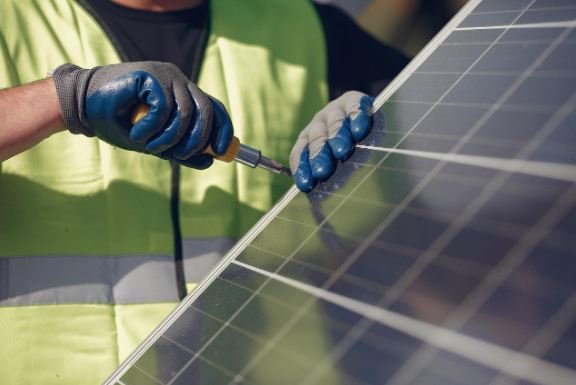
The solar sector can create jobs for engineers, technicians, electricians, installers, sales teams, project managers, maintenance workers, and energy finance professionals. It can also support youth skills development.
Why should investors take a long-term view of Africa’s solar market?
Africa’s solar market is driven by structural demand, population growth, business needs, climate priorities, and underdeveloped energy infrastructure. Investors who understand local markets and build strong partnerships can benefit from long-term growth.