

Angola is entering a significant phase of economic transition. Historically associated with oil production and mineral exports, the country is now implementing a broader diversification agenda intended to strengthen non-oil industries, attract foreign direct investment, and improve long-term economic resilience.
This shift is creating new opportunities for international companies across mining, manufacturing, agribusiness, infrastructure, renewable energy, logistics, technology, and tourism. Angola’s extensive natural resources, Atlantic coastline, large domestic market, and strategic position within Southern Africa provide a strong foundation for future commercial expansion.
However, the market also presents operational and institutional challenges. Investors must evaluate regulatory requirements, infrastructure limitations, currency exposure, supply-chain conditions, and local partnership structures before committing capital. A disciplined market-entry strategy, supported by strong due diligence and stakeholder engagement, will be essential for sustainable success.
Angola’s Strategic Position within Africa
Angola occupies an important geographical position on the southwestern coast of Africa. Its access to the Atlantic Ocean supports maritime trade and provides a potential gateway to regional and international markets.
The country shares borders with several African economies and possesses a coastline capable of supporting ports, logistics infrastructure, industrial activity, and commodity exports. As transport links improve, Angola could strengthen its role as a regional distribution and production base.
Luanda remains the country’s primary commercial, financial, and administrative centre. It hosts major government institutions, corporate offices, banks, service providers, and diplomatic missions. At the same time, significant economic potential exists beyond the capital, particularly in provinces with agricultural land, mineral deposits, energy resources, and emerging industrial clusters.
For investors, Angola’s geographical advantage is most relevant when combined with improving infrastructure, greater regional trade integration, and the development of local production capacity.

Economic Diversification as a National Priority
Angola’s economy has traditionally relied heavily on petroleum exports. While oil has generated substantial public revenue, this concentration has exposed the country to fluctuations in global commodity prices and external demand.
Economic diversification has therefore become a central policy objective. The government is encouraging investment into sectors capable of expanding employment, increasing local value creation, reducing imports, and strengthening the private sector.
Priority industries include agriculture, mining, manufacturing, energy, infrastructure, tourism, logistics, and digital services. These sectors are expected to contribute to a more balanced economy while reducing dependence on hydrocarbons.
Reforms have also focused on improving investment procedures, simplifying business registration, strengthening regulatory frameworks, and increasing private-sector participation. Although implementation remains uneven in some areas, the overall policy direction is supportive of broader commercial activity.
Current Business and Investment Environment
Angola’s investment environment is gradually evolving as economic reforms and institutional changes take effect. Political continuity, regulatory adjustments, and efforts to improve governance have contributed to greater interest from international businesses.
The government is also working to modernise public institutions, improve fiscal management, expand infrastructure, and support industrial development. These measures are intended to improve competitiveness and attract capital into productive sectors.
Foreign investors can play an important role by providing financing, technical expertise, technology, managerial capability, and access to international markets. In return, Angola offers opportunities in sectors where domestic supply remains limited and long-term demand is expected to grow.
Nevertheless, investment decisions should be based on realistic assessments. Companies must consider administrative procedures, access to foreign currency, logistics costs, local capacity, infrastructure reliability, and contract-enforcement risks.
Read Also: Business Opportunities in Cabo Verde: Top Investment Sectors, Market Advantages and Entry Strategies
Import and Export Opportunities
International trade remains one of the most accessible areas for companies entering the Angolan market.
Angola imports a substantial range of products because local production is not yet sufficient to meet demand in several industries. Major import categories include industrial machinery, pharmaceuticals, construction equipment, automotive parts, food products, electrical materials, technology equipment, and manufacturing inputs.
This creates opportunities for exporters, distributors, wholesalers, freight operators, warehousing companies, customs specialists, and supply-chain service providers.
The export market is largely supported by oil, diamonds, minerals, and selected agricultural commodities. Businesses may also participate through inspection, certification, commodity trading, shipping, storage, insurance, and export documentation.
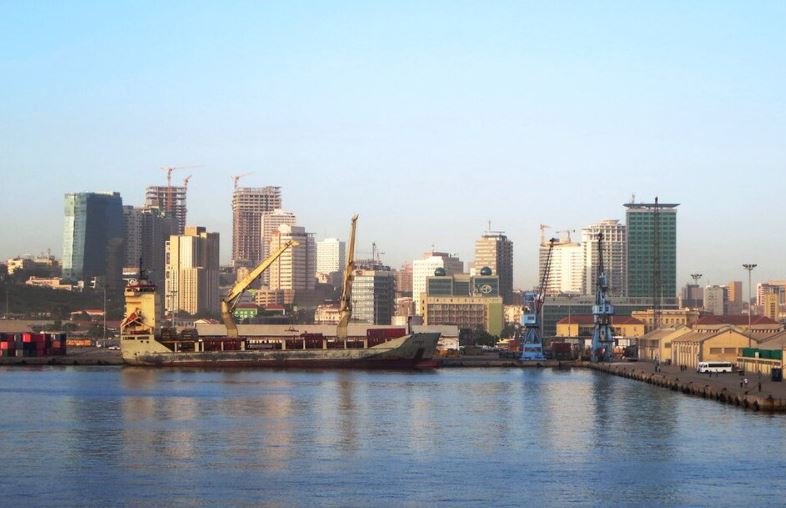
Angola’s port infrastructure provides an important platform for trade. However, efficiency improvements, stronger transport connections, and better logistics coordination will be required to reduce costs and improve competitiveness.
Mining and Mineral Development
Mining is one of Angola’s most strategically important sectors. The country possesses deposits of diamonds, gold, copper, iron ore, and other commercially valuable minerals.
While diamonds have historically dominated non-oil mineral activity, significant potential exists in other areas of exploration and extraction. Many deposits remain underdeveloped, creating opportunities for companies with technical expertise and long-term capital.
Investment opportunities extend across the value chain, including geological surveys, exploration, mine development, engineering, equipment supply, mineral processing, transportation, environmental consulting, and export services.
The sector also creates demand for supporting industries such as construction, maintenance, security, occupational health, logistics, accommodation, and workforce development.
Investors should pay close attention to licensing requirements, environmental obligations, community engagement, labour standards, and responsible sourcing. Strong compliance practices are increasingly important for securing regulatory confidence and maintaining access to international markets.
Precious Metals and Diamond Value Chains
Angola is internationally recognised for diamond production and is seeking to expand participation across the broader gemstone value chain.
Opportunities exist not only in mining but also in cutting, polishing, grading, certification, trading, logistics, insurance, and export services. Increasing local processing capacity could allow the country to retain more economic value before minerals are sold internationally.
Gold is also emerging as an area of interest. The development of formal production systems, improved licensing, and stronger oversight may support new commercial activity.
Precious minerals offer attractive revenue potential, but they require strict governance. Investors must comply with traceability, anti-money-laundering, certification, ethical sourcing, and export-control requirements.
Companies with transparent operating models and robust compliance frameworks will be better positioned to participate in this high-value sector.
Manufacturing and Industrialisation
Manufacturing is a critical component of Angola’s economic diversification agenda. The country imports many products that could potentially be produced domestically if the required capital, infrastructure, and technical capability were available.
Promising areas include cement, steel fabrication, textiles, food processing, packaging, building materials, beverages, plastics, agricultural inputs, household goods, and light industrial assembly.
Local manufacturing can help reduce dependence on imports, create employment, improve supply reliability, and support the development of domestic value chains.
Industrial parks and Special Economic Zones may offer access to infrastructure, administrative support, and selected incentives. The practical value of these benefits will depend on the location, scale, and sector of the proposed investment.
Investors should conduct detailed feasibility studies covering energy supply, water access, transport costs, labour availability, input sourcing, market demand, and financing conditions.
Agribusiness and Food Security
Agriculture represents one of Angola’s largest untapped opportunities. The country has extensive arable land, varied climatic conditions, and water resources capable of supporting commercial farming.
Despite this potential, Angola continues to import a significant share of its food requirements. This creates opportunities in crop production, livestock, fisheries, agricultural equipment, irrigation, fertiliser, seed distribution, storage, cold-chain logistics, and food processing.
Commercial opportunities may include maize, rice, cassava, coffee, sugarcane, fruits, vegetables, oilseeds, and animal feed.
Food processing is particularly important because it increases product value, reduces post-harvest losses, and extends shelf life. Potential areas include milling, edible oils, dairy products, fruit processing, packaged foods, beverages, and meat production.
Investors should also consider inclusive supply models involving smallholder farmers. Outgrower schemes, contract farming, training, and shared access to equipment can improve supply consistency while supporting rural development.
Renewable Energy and Power Infrastructure
Energy availability will be central to Angola’s future industrial growth. The country has significant potential in hydropower and solar generation.
Its rivers provide opportunities for both large-scale and smaller hydropower projects, while high solar exposure supports utility-scale projects, mini-grids, rooftop systems, and off-grid solutions.
Reliable electricity is essential for manufacturing, mining, agriculture, healthcare, education, and digital services. In areas where grid coverage remains limited, independent and decentralised energy solutions may be commercially attractive.
Investment opportunities include power generation, transmission, distribution, energy storage, engineering, equipment supply, project development, and maintenance.
Public-private partnerships, independent power projects, and development-finance structures may provide viable routes to market, particularly for projects aligned with national energy priorities.
Infrastructure and Logistics
Angola requires continued investment in roads, ports, railways, housing, water systems, industrial facilities, and public infrastructure.
Infrastructure development is essential for connecting agricultural regions, mining zones, urban centres, and export terminals. Weak transport links can increase business costs and reduce the competitiveness of domestic production.
Commercial opportunities exist in construction, engineering, project management, equipment supply, materials production, maintenance, and infrastructure finance.
Urban growth is also generating demand for residential property, warehouses, commercial buildings, hospitals, schools, and utility systems.
Companies should evaluate project financing, payment risk, procurement procedures, local-content requirements, labour availability, and regulatory approvals before entering the sector.
Digital Transformation and Technology Services
Angola’s technology market is developing as businesses, public institutions, and consumers adopt more digital services.
Opportunities exist in telecommunications, financial technology, e-commerce, digital payments, cloud services, cybersecurity, data management, software development, and business automation.
Mobile adoption creates a strong platform for financial inclusion, retail services, education, healthcare, and agricultural technology.
Digital solutions may also improve efficiency in logistics, public administration, banking, insurance, and supply-chain management.
However, the sector still faces challenges, including uneven internet coverage, affordability constraints, infrastructure gaps, and limited technical skills. These limitations also represent opportunities for companies offering practical, scalable, and cost-effective solutions.
Tourism and Hospitality Potential
Angola has underdeveloped but considerable tourism potential. Its coastline, natural landscapes, wildlife, cultural heritage, and urban attractions could support a wider range of visitor experiences.
Opportunities exist in hotels, resorts, restaurants, tour operations, transport services, conference facilities, destination management, and eco-tourism.
Business travel and domestic tourism may provide more immediate opportunities, while international leisure tourism could expand as transport access, visitor services, and destination marketing improve.
Private-sector investment will be important in raising service standards, developing tourism infrastructure, and creating professionally managed visitor experiences.
Government Support and Investment Facilitation
Angola’s investment promotion institutions play an important role in supporting foreign investors.
These agencies provide guidance on business registration, investment procedures, available incentives, sector priorities, and export development.
Potential support may include tax incentives, customs benefits, investment protection, and access to industrial zones. However, eligibility depends on the size, location, structure, and economic contribution of each project.
Investors should independently verify all available incentives and obtain professional legal, tax, and regulatory advice. Promotional information should not replace formal due diligence.
A comprehensive investment plan should address licensing, taxation, governance, labour compliance, foreign-exchange exposure, dispute resolution, and potential exit options.
Importance of Local Partnerships
Local partnerships can provide meaningful advantages to foreign companies entering Angola.
A credible local partner may contribute market knowledge, regulatory insight, supplier relationships, distribution networks, language capability, and workforce access.
Joint ventures may also support local participation and improve stakeholder acceptance. However, partnership arrangements should be structured carefully.
Investors should conduct background checks, verify ownership, review financial capacity, define decision-making authority, and establish clear mechanisms for accountability and dispute resolution.
The most effective partnerships are built on transparent governance, aligned commercial objectives, and clearly documented responsibilities.
Strategic Implications for International Investors
Angola offers significant long-term potential, but it is not a market for unstructured entry.
Companies should adopt a phased approach based on detailed market research, stakeholder engagement, regulatory analysis, and financial modelling.
Pilot projects may help businesses test demand and operating conditions before expanding. Investors should also assess whether a local partnership, joint venture, distributor model, or direct investment structure is most appropriate.
Success will depend on disciplined execution, strong compliance, local capacity building, and the ability to operate within an evolving business environment.
Investors that combine commercial ambition with patience, governance, and local understanding are more likely to build sustainable operations.
Conclusion
Angola is progressing through an important period of economic transformation. Its diversification agenda, natural resources, strategic location, agricultural potential, and infrastructure needs create opportunities across multiple sectors.
Mining, manufacturing, agribusiness, renewable energy, logistics, technology, tourism, and construction are likely to remain central to the country’s investment outlook.
The market presents meaningful growth potential, but investors must carefully manage regulatory, operational, financial, and partnership risks.
For organisations prepared to take a long-term view, invest in local relationships, and maintain strong governance standards, Angola can offer a compelling platform for growth in Southern Africa.
Its continued reforms and increasing engagement with international investors suggest that the country may become a more influential destination for regional trade, industrial development, and cross-border investment.
Frequently Asked Questions about Investment in Angola
Why is Angola attracting international investors?
Angola is attracting investors because of its natural resources, strategic Atlantic location, growing domestic market, infrastructure needs and efforts to diversify beyond oil.
Which sectors offer the strongest investment potential?
Mining, agribusiness, manufacturing, renewable energy, infrastructure, logistics, technology and tourism are among the most promising sectors.
Why is economic diversification important for Angola?
Diversification can reduce the country’s dependence on oil, create more jobs, strengthen local industries and make the economy more resilient to commodity price changes.
What opportunities exist in Angola’s mining industry?
Investors can participate in mineral exploration, extraction, processing, equipment supply, transportation, environmental services and export trading.
How attractive is Angola’s agribusiness sector?
Angola has extensive arable land, water resources and favourable growing conditions. Opportunities exist in commercial farming, food processing, irrigation, storage and agricultural logistics.
What makes manufacturing a strategic opportunity?
Angola imports many products that could be produced locally. Manufacturing can reduce import dependence, improve supply reliability and support domestic job creation.
Are there opportunities in renewable energy?
Yes. Angola has strong potential in solar and hydropower, particularly for industrial energy supply, rural electrification, mini-grids and off-grid power solutions.
What challenges should investors consider?
Investors should assess regulatory procedures, infrastructure gaps, currency exposure, logistics costs, skills shortages and potential administrative delays.
Why are local partnerships important?
A strong local partner can provide market knowledge, regulatory guidance, supplier access, distribution networks and support with stakeholder engagement.
What approach should new investors take?
Investors should begin with detailed research, professional due diligence, financial modelling and a phased market-entry plan before making large capital commitments.