
Latest posts
-
Algeria Company Registration Guide: SARL, SPA and Representative Office Explained for Foreign Investors

Selecting an appropriate legal structure is a critical early decision for companies considering investment in Algeria. The choice affects ownership, governance, taxation, regulatory compliance, capital requirements and the activities an investor can undertake locally. The principal structures available to investors include the société à responsabilité limitée (SARL), the société par actions (SPA) and, for companies…
-
Morocco Average Salary and Minimum Wage: Complete Guide to Pay, Labour Costs and Employment
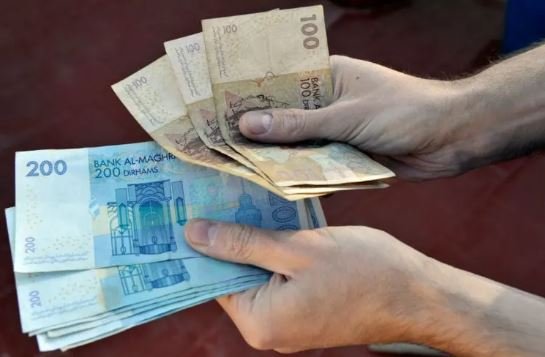
Morocco has developed one of North Africa’s more diversified labour markets, supported by manufacturing, tourism, agriculture, logistics, financial services and a rapidly expanding export economy. For employers, investors and professionals assessing the country, however, headline salary figures provide only part of the picture. Earnings differ considerably according to industry, location, employment status, experience and whether…
-
Algeria Tax Guide: Corporate, Personal, VAT and Investment Tax Rules Explained
Algeria operates a broad tax framework covering corporate profits, individual earnings, consumption, property, investment income and commercial transactions. For investors, employers and businesses entering the market, tax compliance is closely linked to accounting, payroll, contracts and financial planning. The financial year generally runs from 1 January to 31 December, and the country uses the Algerian…
-
Algeria Average Salary and Minimum Wage Guide: Pay, Labour Costs and Workforce Outlook

Algeria presents a distinctive labour market shaped by substantial public-sector employment, a hydrocarbon-led economy and an expanding range of formal private-sector activities. For companies assessing the market, headline salary figures provide a useful starting point, but they should be considered alongside median earnings, statutory requirements, workforce availability and purchasing power. Average gross earnings are estimated…
-
Tunisia Business Environment: Investment Opportunities, Market Risks and Top Growth Sectors
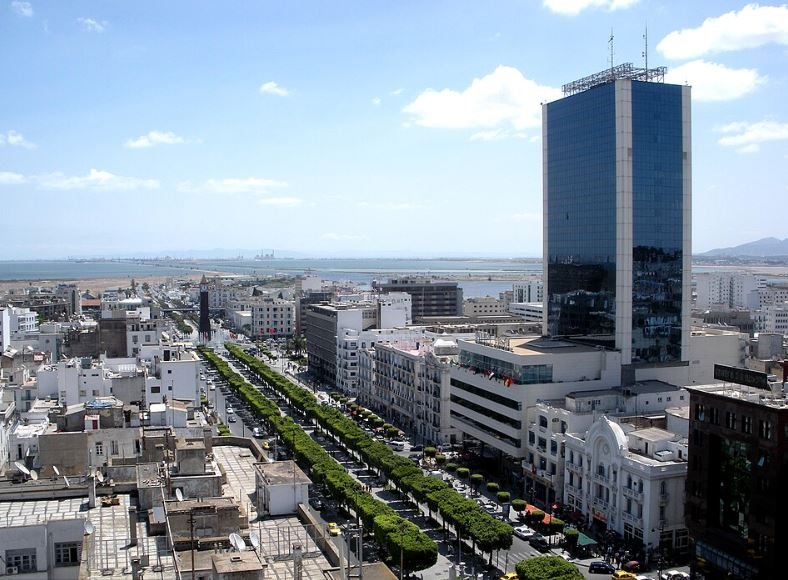
Tunisia remains one of North Africa’s more diversified economies, combining a mature industrial base, strong agricultural exports, established tourism infrastructure, and close commercial links with Europe. Its Mediterranean location gives businesses relatively direct access to major European markets, while its manufacturing experience and educated workforce strengthen its position as a potential production and sourcing hub.…
-
Mali Average Salary and Minimum Wage 2026: Monthly Pay, Income Levels and Labour Market Guide

Mali’s labour market tells two very different stories. In formal workplaces, particularly in major commercial centres, employees may earn salaries supported by government pay scales, mining companies, banks, development organisations and private businesses. Across much of the country, however, livelihoods are still built around farming, livestock, petty trade and other informal activities where earnings are…
-
What a Reserve Currency Really Means

A reserve currency is a widely trusted currency held by central banks and monetary authorities as part of their foreign exchange reserves. Governments use these reserves to settle international payments, manage external debt, purchase essential imports, support their domestic currencies, and respond to periods of financial instability. The U.S. dollar has occupied the leading position…
-
What Is a Key Currency?
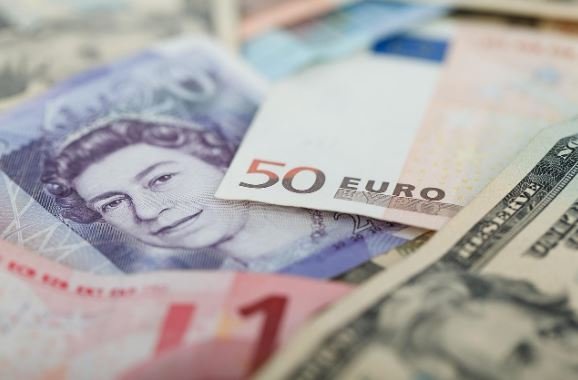
A key currency is a widely accepted and relatively dependable currency that plays an important role in international trade, cross-border finance, foreign exchange markets, and the management of national reserves. Because businesses, governments, investors, and financial institutions regularly use these currencies across borders, they often become reference points for valuing other currencies and settling international…
-
Consumer Durables: How Durable Goods Shape Retail Sales, Consumer Spending and Economic Growth

Walk through a typical home in Nairobi, Toronto, or Kuala Lumpur and many of the most valuable items you see were not bought yesterday. A refrigerator may serve a household for a decade, a sofa for several years, and a laptop or television for a substantial period before replacement. Economists generally place products with useful…
-
Purchasing Power Parity: How Economists Compare the Real Value of Money Across Countries

Purchasing power parity, commonly known as PPP, is one of the most useful tools economists have for comparing economies that operate with different currencies and very different price levels. A market exchange rate tells us how many units of one currency can be exchanged for another, but it does not necessarily show how much people…