
Latest posts
-
Break Fees in Business: Meaning, Purpose, and Real Examples Explained Clearly

In many business arrangements—especially large, complex ones—both sides invest time, money, and strategic effort long before a deal is officially sealed. Because of this, parties often include a built-in financial safeguard known as a break fee. This fee acts as a form of compensation when a deal collapses unexpectedly or when one party withdraws after…
-
Understanding Business Valuations: Why They Matter and What Small Businesses Should Know

For many small business owners, daily responsibilities often take priority over long-term strategic tools like valuations. It is easy to assume that determining the value of a business only becomes important when planning to sell or when investors come knocking. Yet a business valuation is far more than a formality—it is a strategic lens through…
-
From Idea to Enterprise: Three Core Elements That Turn a Vision Into a Real Business

Launching a business often begins with a spark — a moment of inspiration, a personal frustration, or a desire to bring something new into the world. Yet transforming an idea into a functioning and sustainable enterprise requires far more than excitement. It demands clear direction, intentional planning, and a support system that helps you navigate…
-
Inside Ghana’s Rapidly Growing Pork Market: Opportunities, Profit Potential, and How New Farmers Can Succeed
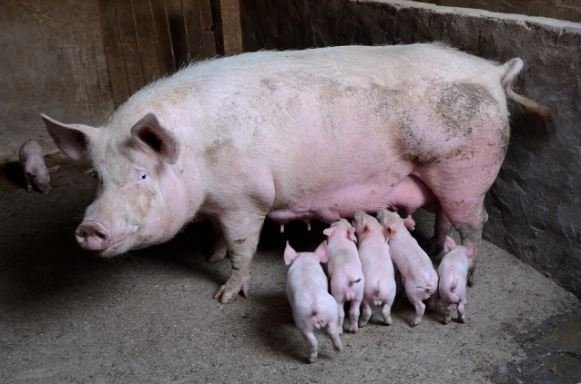
Understanding Ghana’s Growing Pork Market Across Ghana, the appetite for pork has expanded rapidly over the last few years. As urban lifestyles change and food choices diversify, many households and food businesses have embraced pork as a reliable and flavorful protein source. Restaurants, pork joints, hotels, bars, catering services, and home cooks all contribute to…
-
How to Start a Profitable Poultry Farm in Ghana: The Complete Guide to Raising and Selling Birds Successfully

Poultry farming has steadily grown into one of Ghana’s most attractive agribusiness ventures, driven largely by the country’s increasing appetite for chicken and eggs. Despite the rising demand, local farms are only able to supply a small share of what consumers need. Each year, hundreds of thousands of metric tons of chicken are eaten nationwide,…
-
Segment Margin Explained: How Businesses Measure Division Performance and Identify Profit Drivers

Companies that operate across multiple product lines, departments, or geographic markets need a clear way to measure how each component contributes to the organization’s overall success. Segment margin is one of the most useful tools for accomplishing this. Instead of looking only at the profitability of the entire business, segment margin zooms in on the…
-
Why Operating Cash Flow Falls: Key Drivers, Hidden Risks, and How Businesses Can Prevent Declines

Operating cash flow is one of the most important measures of a company’s financial health because it shows how much cash the business generates from its regular, day-to-day work. It answers a simple but critical question: do a company’s core operations bring in enough money to sustain and grow the business? Although profit is important,…
-
Regulatory Assets Explained: How Utilities Defer Costs, Stabilize Rates, and Protect Long-Term Financial Health

Public utilities operate within a unique financial environment shaped by regulation, long-term infrastructure needs, and unpredictable operating costs. To keep services reliable and affordable, regulators allow these companies to treat certain expenses differently from ordinary businesses. One of the most important tools for achieving this is the concept of regulatory assets. These assets enable utilities…
-
Core Assets vs Non-Core Assets: A Complete Guide to Business Survival and Long-Term Growth

Every business, no matter its size or sector, relies on certain critical resources to stay productive and profitable. These essential resources are known as core assets, and they form the backbone of an organization’s ability to operate consistently and compete effectively. When people discuss what keeps a company running, they are usually referring to these…
-
What the Output Gap Reveals About GDP, Inflation, and Recession Risks
Economists often look for ways to understand whether an economy is running smoothly or facing strain, and one of the key tools used to make this judgment is the output gap. This measure compares what an economy is currently producing with what it could produce if all resources—labour, capital, and technology—were being used efficiently. Although…