
Latest posts
-
Transfer Pricing: How Related Companies Set Fair Prices Across Borders

Understanding the Purpose of Transfer Pricing Transfer pricing is the system used to determine the prices charged when companies under common ownership exchange goods, services, loans, intellectual property, or other forms of value. It matters most in multinational groups, where one company may manufacture a product, another may distribute it, and a third may own…
-
Rwanda Withholding Tax Guide: Rates, Rules, Exemptions and Tax Treaty Relief for Businesses

Withholding tax is a central feature of Rwanda’s corporate tax framework and an important compliance consideration for businesses making payments to suppliers, investors, consultants, lenders, and other counterparties. For companies operating in Kigali, Huye, Musanze, Rubavu, or across Rwanda’s growing commercial corridors, withholding tax should not be treated simply as an accounting deduction made at…
-
Tunisia’s Withholding Tax Framework for Businesses

Withholding tax is an important part of Tunisia’s corporate tax system. Rather than waiting until a company files its annual corporate income tax return, certain taxes are collected when specified payments are made. The payer deducts the applicable amount and transfers it to the tax authorities, while the recipient generally uses the deduction as a…
-
Morocco Withholding Tax Guide for Businesses

Morocco’s withholding tax framework is an important part of the country’s corporate tax system, particularly for businesses making payments to shareholders, service providers, landlords, lenders and overseas entities. Recent fiscal reforms have widened the range of transactions affected by withholding obligations, making tax compliance increasingly relevant to both Moroccan companies and foreign investors. Businesses operating…
-
Côte d’Ivoire Withholding Tax Guide: Corporate Rates, Dividends, Interest, Royalties and Treaty Rules

Withholding tax can affect a wide range of commercial payments, including dividends, interest, royalties, service fees, public-sector contracts, and certain transactions involving smaller enterprises. Businesses operating in or making payments from Côte d’Ivoire need to identify the correct withholding obligation before settling invoices or distributing income. The applicable rate depends largely on the nature of…
-
Senegal Withholding Tax Guide: Corporate Rates, Dividends, Interest and Treaty Rules

Withholding tax is an important feature of Senegal’s corporate tax framework and affects a wide range of business transactions, including service fees, royalties, dividends, interest payments, healthcare remuneration, and certain imports. For companies operating in Senegal, withholding tax is generally collected at source. This means the entity making a qualifying payment is responsible for deducting…
-
Chad Withholding Tax Guide: Corporate Rates, CEMAC Rules and Cross-Border Payments

Withholding tax is an important part of Chad’s corporate tax system and can affect a wide range of commercial transactions, including the purchase and sale of goods, dividend distributions, interest payments, rent, equipment leasing, public procurement contracts, and payments to non-residents. For businesses operating in Chad, the main compliance responsibility generally falls on the party…
-
Withholding Tax in Cameroon: What Businesses Need to Know

Withholding tax is an important consideration for companies conducting business in Cameroon, particularly where transactions involve foreign consultants, contractors, shareholders, lenders, technology providers, or other non-resident parties. A payment that appears commercially straightforward can create a tax obligation for the Cameroonian payer before the funds are transferred. Under the withholding system, the entity making a…
-
Mauritania Company Registration Guide: Business Entities, Legal Structures and Foreign Investment Options

For companies considering entry into Mauritania, the choice of legal entity is one of the earliest and most consequential structuring decisions. Based on extensive experience supporting businesses with corporate establishment and market-entry planning, we have found that the most appropriate structure is rarely determined by incorporation cost alone. The decision should reflect the investor’s ownership…
-
Mauritania Minimum Wage: Salary Rates, Labour Rules, Payroll Costs and Employer Compliance Guide
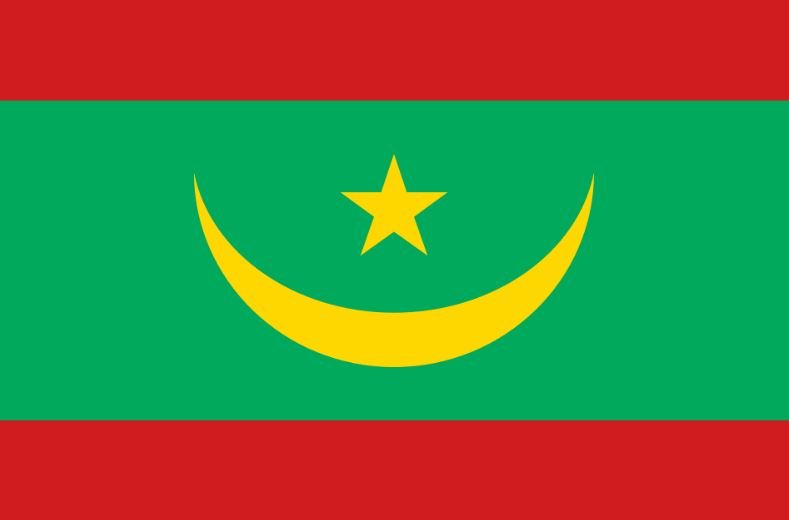
Understanding Mauritania’s Wage Environment Mauritania’s labour market combines a relatively small formal employment sector with a much larger informal economy. For employers, this makes wage planning more complex than simply checking a statutory figure and placing it into a payroll system. Compensation decisions are influenced by legal requirements, industry conditions, skills availability, regional differences, inflation,…