
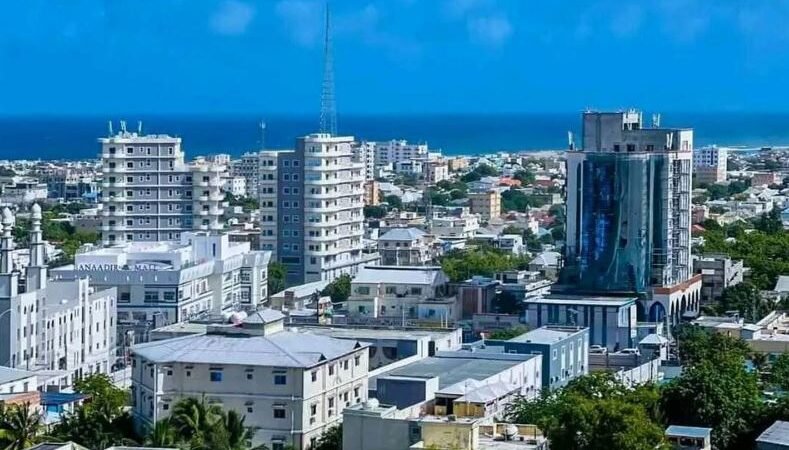
Somalia is seen as a frontier market with long-term potential alongside risks requiring disciplined assessment. The country is recovering from decades of conflict, institutional weakness, and security disruptions. Even so, progress has been made in rebuilding government structures, restoring public administration, and reconnecting the economy to regional and international markets.
Somalia’s reform path remains fragile. The federal government continues to face pressure from al-Shabaab, the country’s most serious security threat. The group has carried out attacks, targeted state institutions, and temporarily regained territory in some rural areas. International security support and development assistance have helped limit further deterioration, although nationwide stability remains uncertain.
From our perspective, Somalia should be approached as a selective investment destination rather than a conventional growth market. Opportunities exist, but they require local intelligence, careful partner selection, security planning, and flexible entry strategies.
Natural Advantages and Commercial Potential
Somalia possesses structural advantages that could support future growth. Its coastline is the longest in Africa, giving the country access to marine resources and routes. This position creates opportunities in fishing, ports, logistics, coastal infrastructure, and tourism.
The livestock industry remains a central part of the economy. Cattle, goats, sheep, hides, and skins are among Somalia’s leading exports. However, much of this trade still depends on live animals or minimally processed products. We see scope for investment in meat processing, leather production, dairy operations, veterinary services, cold storage, and export logistics.
The fisheries sector also deserves attention. Somalia’s waters contain valuable fish stocks, yet the industry remains underdeveloped and vulnerable to illegal foreign fishing. Investment in commercial fleets, seafood processing, refrigeration, quality control, and export certification could create jobs and raise export earnings. Investors should assess licensing, community interests, and environmental sustainability.
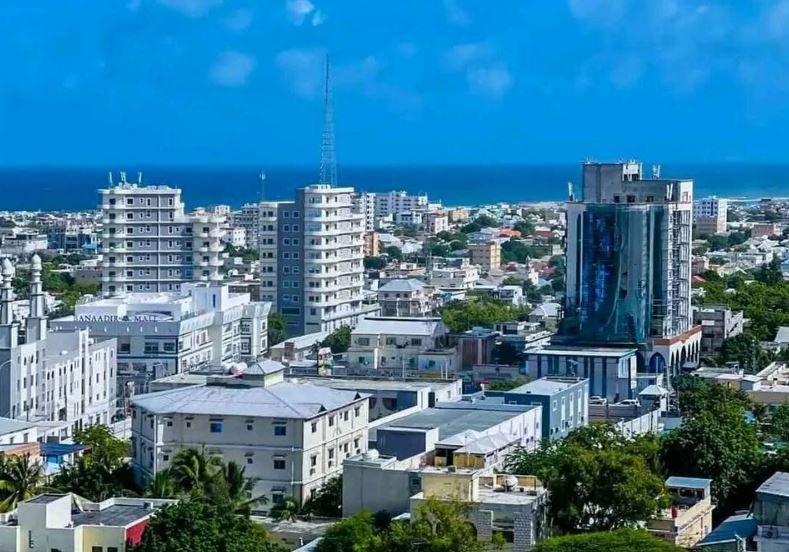
Sectors With Stronger Investment Prospects
We believe livestock value chains offer practical near-term opportunities. Businesses that move beyond raw exports and develop local processing capacity may achieve higher margins while supporting employment and skills development.
Fisheries also present growth potential where coastal access, security, and regulation can be managed effectively. The strongest opportunities are likely to involve integrated operations combining harvesting, processing, storage, transport, and export.
Tourism should be considered a longer-term opportunity. Somalia’s beaches, marine environment, and cultural heritage could eventually support resorts, eco-tourism, and diaspora-focused travel. For now, however, tourism investment depends heavily on security improvements, stronger infrastructure, and clearer legal protection.
Other prospects may emerge in telecommunications, financial services, renewable energy, construction, and consumer goods. Somalia’s private sector has shown resilience where public institutions are weak, particularly in mobile communications and money transfers.
Principal Risks for Investors
Security remains the leading consideration. Terrorist attacks, armed conflict, criminal activity, and weak state control can disrupt operations and endanger personnel and assets. Companies must budget for security, crisis response, movement controls, and business continuity planning.
Infrastructure deficiencies are a further concern. Roads, electricity, water systems, ports, education, and healthcare facilities require investment. Businesses may need to provide their own power, transport, communications, or storage, increasing operating costs.
Climate exposure also affects the investment environment. Somalia is vulnerable to drought, water scarcity, and changing rainfall patterns. These conditions can reduce livestock productivity, damage agricultural output, intensify displacement, and weaken demand.
Legal and governance risks are significant. Ownership rights, contracts, taxation, and dispute resolution may not be applied consistently. The influence of local authorities, clan structures, and non-state actors can complicate decisions.
Market Entry and Regulatory Considerations
In many parts of Somalia, business registration, property ownership, and commercial enforcement remain partly informal. Investors should avoid relying solely on national approvals. Local acceptance, community relationships, and regional administrative requirements can be important.
Somaliland offers a more structured investment environment and has introduced incentives for foreign investors. However, its unresolved political status creates legal and diplomatic uncertainty. Agreements signed there may carry jurisdictional risks, particularly where international recognition matters.
We recommend phased investment, beginning with market testing, partnerships, representative offices, or limited-scale projects before committing major capital.
Cultural and Compliance Expectations
Successful engagement requires respect for Somali customs and religious values. Business interactions should reflect Islamic norms, modest behaviour, and sensitivity to local traditions. The right hand should be used for greetings, shared meals, and exchanging items, while displaying the soles of the feet should be avoided.
Strong compliance systems are essential. Investors should conduct due diligence on partners, ownership structures, payment channels, and political connections. Risks involving corruption, fraud, sanctions, terrorist financing, and reputational damage must be actively managed.
Our Investment Advisory View
Somalia offers commercial possibilities in livestock processing, fisheries, logistics, telecommunications, energy, and reconstruction. However, the market is suitable mainly for investors with high risk tolerance, strong local networks, and a long-term perspective.
Our assessment is that Somalia should not be dismissed, but neither should it be entered casually. Success will depend on disciplined risk management, trusted local partnerships, adaptable operating models, and continuous monitoring of political, security, and regulatory developments.
FAQs about Investing in Somalia
Why is Somalia considered a frontier investment market?
Somalia offers significant untapped opportunities, but investors must operate within a difficult environment shaped by insecurity, weak infrastructure, and evolving institutions.
Which sectors offer the strongest investment potential?
Livestock processing, fisheries, telecommunications, logistics, renewable energy, construction, financial services, and consumer goods present some of the most promising opportunities.
Why is the livestock sector important?
Livestock is one of Somalia’s leading export industries. Investment in meat processing, dairy production, leather manufacturing, veterinary services, and cold storage could create greater value locally.
What opportunities exist in Somalia’s fishing industry?
Somalia’s long coastline supports commercial fishing, seafood processing, refrigeration, storage, and export activities. Sustainable regulation would help protect marine resources and attract investors.
Is tourism currently a strong investment option?
Tourism remains a long-term opportunity. Somalia’s beaches and cultural attractions have potential, but major improvements in security, infrastructure, and legal protection are still required.
What is the greatest risk facing investors?
Security is the most serious concern. Terrorist attacks, armed conflict, criminal activity, and limited government control can threaten employees, assets, and daily operations.
How does poor infrastructure affect businesses?
Limited roads, electricity, water, storage facilities, and transport networks increase costs. Some companies may need to provide their own power, security, and logistics systems.
What legal risks should investors consider?
Property rights, contracts, taxation, licensing, and dispute resolution may be applied inconsistently. Investors should obtain local legal advice and carefully verify all agreements.
Is Somaliland easier for investors to enter?
Somaliland offers more formal investment procedures than many other areas. However, its disputed political status creates legal and diplomatic uncertainties for long-term investors.
What does successful investment in Somalia require?
Investors need strong local partnerships, detailed due diligence, reliable security arrangements, cultural awareness, flexible business models, and a willingness to take a long-term view.