
Latest posts
-
Tanzania Corporate Tax Guide: Rates, Business Incentives And Minimum Tax Explained
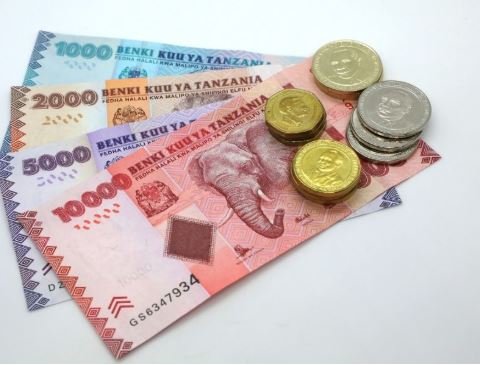
In Tanzania resident companies are taxed on earnings generated both locally and overseas. Nonresident businesses are taxed on income sourced within Tanzania. The standard corporate income tax rate is 30%, including for Tanzanian permanent establishments of foreign companies. Technical and management service providers serving mining, oil and gas businesses face a separate charge of 10%…
-
South Africa Corporate Tax Guide: Company Rates, Small Business Relief And Dividend Rules

For businesses operating in South Africa, tax exposure depends on residence. Resident companies generally account for income earned locally and abroad, while foreign companies face tax on income sourced within South Africa. The standard corporate income tax rate is 27%, applying to assessment years ending from 31 March 2023 onward. Previously, the rate was 28%.…
-
Rwanda’s Corporate Income Tax System

Rwanda applies a combination of source-based and residence-based taxation to businesses. Companies earning income from activities within the country are generally subject to Rwandan tax, while resident businesses must also declare income generated abroad. Where foreign income has already been taxed overseas, a tax credit may be available, limited to the amount of Rwandan tax…
-
China’s Zero-Tariff Policy Opens New Trade Opportunities for Africa

China’s decision to expand duty-free market access for African products represents an important development in international trade. The initiative is designed to strengthen commercial relationships, encourage African exports and create new opportunities for businesses seeking access to one of the world’s largest consumer markets. By reducing customs duties on qualifying African goods, China aims to…
-
Namibia Corporate Income Tax (CIT): Latest Tax Rates, Exemptions, Deductions & Foreign Company Rules
Namibia’s territorial taxation framework implies that businesses generally pay corporate income tax on earnings obtained within the country. Revenue considered to originate from Namibia may also be taxable, regardless of where the receiving company is headquartered. However, certain income categories qualify for exemptions under national tax legislation. Tax Responsibilities for Foreign Businesses International companies conducting…
-
Corporate Income Tax (CIT) in Mozambique
For corporate income tax in Mozambique, the country runs a system that distinguishes between businesses established locally and foreign companies earning revenue within its borders. Tax obligations depend largely on residency, business presence, and the nature of income generated. Taxation of Resident Companies Companies classified as Mozambican tax residents must declare income earned both domestically…
-
Morocco Corporate Tax Rates: Complete Guide to CIT, Tax Exemptions and Business Regulations

Morocco’s corporate taxation system generally targets profits and capital gains arising within its borders. Businesses calculate their taxable earnings by subtracting allowable operating expenses from revenue. Costs directly associated with commercial activities are usually deductible, provided they satisfy applicable tax requirements. Corporate Tax Rates for 2026 Morocco applies two principal corporate income tax (CIT) rates,…
-
Corporate Income Tax (CIT) in Mauritius: Rates, Regulations and Business Obligations

Mauritius offers a corporate taxation framework that combines competitive tax rates with specific incentives for international businesses and selected industries. Companies operating in the country must understand how their residency, business activities and earnings influence their tax obligations. Corporate Tax Rates and Residency Rules The standard corporate income tax rate in Mauritius is 15% of…
-
Corporate Income Tax (CIT) in Mauritania

Mauritania’s territorial corporate taxation system means businesses generally pay tax on profits generated within the country. Earnings from activities conducted entirely abroad are ordinarily excluded. However, income earned through Mauritanian operations remains taxable, regardless of whether the company is locally owned or foreign-controlled. Revenue from goods and services exported by Mauritanian businesses also falls within…
-
Taxation for Companies in Madagascar

In Madagascar, the corporate taxation system considers a business residency, annual revenue, and the nature of commercial activities. Companies established in the country generally pay tax on income earned domestically and internationally, while foreign businesses face taxation on qualifying Madagascar-sourced earnings. Corporate Tax Rates for Resident Companies Businesses generating annual turnover below MGA 400 million…