
Latest posts
-
Cabo Verde Corporate Tax Filing Deadlines, Advance Payments And Compliance

In Cabo Verde, companies generally follow a January to December tax year. An alternative accounting period requires Ministry of Finance approval, including for foreign businesses with permanent establishments or other economically justified circumstances. Filing and Advance Payments Calendar year taxpayers must submit returns and calculate their final liability by 31 May the following year. Approved…
-
Botswana’s Corporate Tax Filing Deadlines, Payments And BURS Rules

Corporate tax compliance in Botswana depends on keeping reliable records, observing filing deadlines, and planning payments throughout the business year. The system places responsibility on companies to calculate their taxable income and disclose it correctly. Understanding how these obligations fit together helps businesses manage cash flow and avoid unnecessary administrative pressure. Choosing the Accounting Period…
-
Angola Corporate Tax Compliance: Filing Deadlines, E-Invoicing And Penalties Explained

Corporate tax compliance in Angola requires businesses to coordinate annual reporting, advance payments, invoicing and correspondence with the tax authorities. Since the tax year runs from January through December, finance teams should build their compliance calendar around both year end accounts and obligations arising throughout the year. Filing Returns and Settling Liabilities Companies within the…
-
Corporate Income Tax (CIT) in Zambia

Establishing Your Company’s Tax Exposure Zambia’s corporate tax framework primarily follows the source of income. Businesses earning income within Zambia generally fall within its tax jurisdiction. For resident taxpayers, the scope also includes interest and dividends received from overseas investments. For a Ghanaian distributor establishing a Zambian operation or a South African engineering company delivering…
-
Uganda Corporate Income Tax Guide: 30% Rate, Small Business Rules & Examples

Understanding Uganda’s corporate tax framework helps businesses assess expansion costs, maintain records, and anticipate liabilities. Resident companies are taxed on worldwide income. Nonresident companies pay Ugandan income tax only on earnings sourced within Uganda. For example, a Ugandan coffee exporter must consider income from regional sales when assessing its taxable income. Calculating Corporate Tax The…
-
Corporate Income Tax (CIT) in Tunisia

A company’s exposure to Tunisian corporate income tax depends on where its income arises and how its activities are organised. Resident businesses are taxed on profits from Tunisian permanent establishments and amounts assigned to Tunisia under applicable tax treaties. Foreign companies face taxation on Tunisian income, including withholding taxes where no local establishment exists. Foreign…
-
Tanzania Corporate Tax Guide: Rates, Business Incentives And Minimum Tax Explained
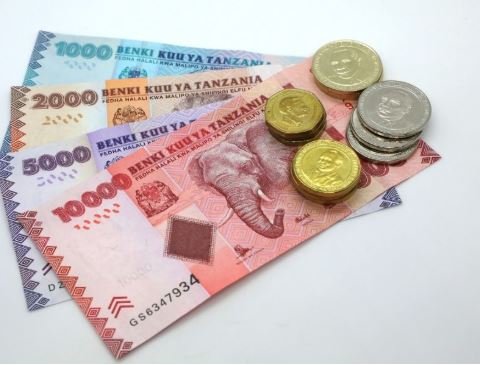
In Tanzania resident companies are taxed on earnings generated both locally and overseas. Nonresident businesses are taxed on income sourced within Tanzania. The standard corporate income tax rate is 30%, including for Tanzanian permanent establishments of foreign companies. Technical and management service providers serving mining, oil and gas businesses face a separate charge of 10%…
-
Corporate Income Tax (CIT) in Senegal
Companies and branches operating in Senegal are generally subject to corporate income tax (CIT) at a rate of 30% on taxable profits. The tax applies to business earnings after allowable expenses and adjustments have been taken into account. Foreign companies may also be taxed on Senegalese-source income when they operate through a permanent establishment in…
-
Rwanda’s Corporate Income Tax System

Rwanda applies a combination of source-based and residence-based taxation to businesses. Companies earning income from activities within the country are generally subject to Rwandan tax, while resident businesses must also declare income generated abroad. Where foreign income has already been taxed overseas, a tax credit may be available, limited to the amount of Rwandan tax…
-
Nigeria’s Corporate Income Tax Framework

Nigeria is one of Africa’s biggest economies, and its corporate taxation system determines how businesses contribute to government revenue based on their earnings, activities, and size. Resident companies are generally taxed on worldwide income, whereas foreign businesses are taxed on income connected to Nigeria. Large companies face a 30% corporate income tax (CIT) rate, while…