
In the business world, growth often grabs all the headlines. Companies celebrate rising customer numbers, expanding markets, and aggressive marketing campaigns. Yet behind many successful companies lies a quieter factor that often matters even more over the long run: the ability to keep customers coming back.
This is where customer retention cost becomes important. While attracting new buyers can drive rapid expansion, maintaining existing relationships is usually what determines whether a company can remain profitable and stable over time.
For investors, understanding this metric can reveal far more about a company’s future than flashy growth statistics alone. A business that constantly spends enormous amounts replacing lost customers may appear successful on the surface, but underneath, it could be struggling to build sustainable value.
This article explores customer retention cost, how businesses measure it, and why investors increasingly view it as a critical indicator of long-term financial strength.
What Customer Retention Cost Really Means
Customer retention cost refers to the amount of money a company spends to keep current customers satisfied, active, and loyal during a given period.
Building a customer base is similar to building long-term friendships. Making the initial connection may require advertising and promotions, but maintaining trust requires consistent attention, quality service, and ongoing engagement.
Businesses invest heavily in these efforts because loyal customers are often more valuable than new ones. Existing customers are more likely to make repeat purchases, subscribe to additional services, and recommend the brand to others.
Retention spending can include several areas, such as:
- Customer support operations
- Rewards and membership programs
- Personalized marketing campaigns
- Product upgrades and innovation
- Account management services
- User training and onboarding assistance
For example, a digital learning platform may spend heavily improving its mobile application, expanding course offerings, and providing fast technical support to ensure subscribers remain engaged year after year.
Calculating Customer Retention Cost
The formula for customer retention cost is fairly straightforward:
Customer Retention Cost=Customers RetainedTotal Retention Expenses
Although the formula looks simple, the insights behind it can be extremely valuable.
A Realistic Business Example
Imagine a food delivery company operating in Singapore spends approximately $240,000 annually on customer support teams, loyalty discounts, mobile app improvements, and promotional engagement campaigns.
If the company successfully retains 6,000 active users during that year, the retention cost would equal $40 per customer.
This figure helps investors evaluate whether the company is managing customer relationships efficiently or overspending to prevent users from leaving.
A lower cost is not always automatically better, but efficient retention spending often signals operational strength.
Why Investors Closely Watch Retention Costs
Customer retention cost matters because it directly affects profitability, predictability, and long-term stability.
Strong Retention Usually Improves Profit Margins
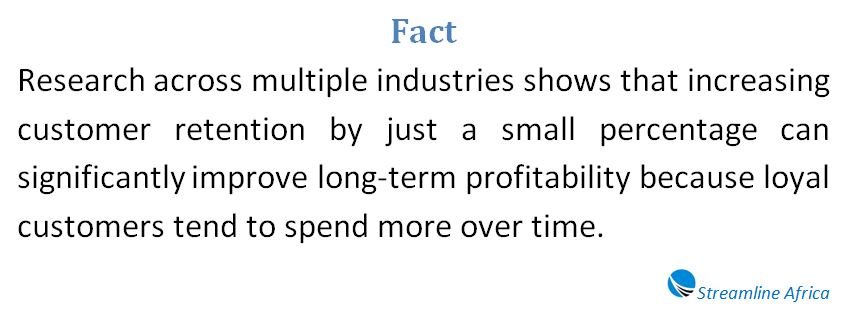
Most businesses discover that keeping current customers costs significantly less than finding entirely new ones.
A fitness subscription company in Toronto, for instance, may spend large sums on online advertising to attract new users. However, once customers join and remain satisfied, maintaining those relationships often becomes far cheaper than continuously replacing departing users.
Over time, companies with efficient retention systems usually enjoy healthier profit margins because they spend less on aggressive acquisition campaigns.

Recurring Revenue Creates Stability
Businesses with loyal customers tend to generate more predictable income streams.
A cloud storage provider, for example, benefits when customers renew subscriptions month after month. Investors value this consistency because it reduces uncertainty and improves financial forecasting.
Companies with recurring revenue models often perform better during economic slowdowns because loyal customers are less likely to abandon services they regularly depend on.
Retention Reflects Customer Satisfaction
Retention trends can reveal how customers truly feel about a company.
If retention costs remain reasonable while customer loyalty stays high, it often indicates that users genuinely value the product or service. On the other hand, rising retention expenses may signal deeper problems such as declining service quality, growing competition, or customer frustration.
For investors, this makes retention cost an indirect measure of brand strength and customer trust.
Comparing Retention Cost With Acquisition Cost
Customer retention cost becomes far more meaningful when compared with customer acquisition cost.
While acquisition cost measures how much a company spends to attract new customers, retention cost focuses on preserving existing relationships.
Healthy businesses usually maintain a balance between the two.
Growth Alone Is Not Enough
A company can appear successful by rapidly increasing sales numbers, but if customers leave just as quickly as they arrive, growth becomes expensive and unstable.
Consider a streaming platform in Brazil spending aggressively on celebrity endorsements and advertising campaigns. If subscribers cancel after only a few months, the company may struggle to recover its acquisition expenses.
Sustainable growth depends not only on attracting customers but also on keeping them engaged for long periods.
The Importance of Customer Lifetime Value
Investors also compare retention and acquisition costs with customer lifetime value.
Customer lifetime value estimates how much total revenue a customer generates throughout the relationship with a business.
Think of it like operating a vineyard. Acquiring customers is similar to planting vines. Retention spending represents the ongoing care and maintenance required to keep them healthy. The profits harvested over time represent lifetime value.
If lifetime value comfortably exceeds both acquisition and retention costs, the business model is usually considered financially attractive.
How Retention Costs Differ Across Industries
Customer retention strategies vary dramatically depending on the industry.
Technology and Subscription Businesses
Software companies and subscription platforms often invest heavily in retention because recurring payments drive their entire business model.
A cybersecurity firm in Berlin, for example, may continuously release updates, add new features, and provide dedicated support teams to ensure customers renew contracts annually.
Although retention expenses can be high, recurring revenue often justifies the investment.
Retail and Consumer Businesses
Retail companies typically focus on discounts, convenience, and loyalty incentives.
A supermarket chain in Nairobi may offer membership rewards, faster delivery services, and personalized promotions to encourage repeat shopping.
Retention efforts in retail often center on convenience and pricing rather than long-term subscriptions.
Banking and Financial Services
Banks and fintech firms rely heavily on customer experience to reduce account closures.
Mobile banking apps, fraud protection tools, and personalized financial advice all contribute to customer retention.
Because switching financial providers can be inconvenient for consumers, companies that build trust often enjoy strong long-term relationships.
For investors, understanding industry differences prevents unfair comparisons between businesses operating under completely different customer dynamics.
Finding Retention Clues in Financial Statements
One challenge for investors is that companies rarely disclose customer retention cost directly in financial reports.
However, careful analysis can still uncover useful insights.
Financial Areas Worth Examining
Investors often study:
- Selling, general, and administrative expenses
- Marketing expenditures
- Customer support costs
- Product development investments
- Subscription servicing expenses
These figures are commonly found in annual reports and quarterly filings.
Trend Analysis Matters More Than One Number
Looking at a single year rarely tells the full story.
Instead, investors should examine whether retention-related spending is increasing faster than revenue growth. If costs rise sharply while customer growth slows, it may indicate efficiency problems.
Conversely, stable retention expenses combined with rising revenue often suggest improving operational performance.
Patterns over several years usually reveal far more than isolated figures.
Strategies Companies Use to Improve Retention Efficiency
Not all retention spending produces equal results. Successful businesses focus on improving customer experience without allowing costs to spiral out of control.
Personalization Through Data
Modern companies increasingly use customer data to create personalized experiences.
An online bookstore in Melbourne might recommend titles based on previous purchases, improving satisfaction while encouraging repeat orders.
Personalization helps companies strengthen loyalty without relying solely on expensive discounts.
Reward and Membership Programs
Well-designed loyalty programs can increase customer engagement while keeping retention spending manageable.
Airlines, hotels, and retailers frequently use points systems or exclusive benefits to encourage repeat business.
When structured properly, these programs create emotional attachment as well as financial incentives.
Continuous Product Improvement
Sometimes the most effective retention strategy is simply delivering a better product.
Businesses that consistently innovate often reduce the need for aggressive retention spending because satisfied customers naturally remain loyal.
A smartphone manufacturer that regularly improves battery life, security, and software performance may retain users without excessive marketing costs.
Risks and Limitations of Retention Cost Analysis
Although customer retention cost is valuable, it should never be viewed in isolation.
Limited Transparency
Most companies do not separate retention expenses clearly in public financial statements, making calculations less precise.
Investors often need to estimate figures using broader expense categories.
Low Costs Can Be Misleading
A company spending very little on retention may appear efficient, but underinvestment can damage customer satisfaction and weaken long-term loyalty.
Sometimes higher retention spending actually reflects strategic investment in customer relationships.
Industry Comparisons Can Be Difficult
Comparing retention costs between industries can create misleading conclusions.
A streaming platform naturally spends differently from a retail chain or insurance company. Investors must consider business models carefully before drawing conclusions.
Common Questions About Customer Retention Cost
What qualifies as a healthy retention cost?
A healthy retention cost depends on the industry, but generally it should remain significantly lower than the revenue generated from each customer over time.
Is retention always cheaper than acquisition?
In many industries, yes. Existing customers already trust the company, reducing marketing and onboarding expenses.
Can high retention spending still make sense?
Absolutely. Some businesses intentionally spend more to preserve highly valuable customer relationships, especially when lifetime value is substantial.
Why do investors care so much about retention?
Retention provides insight into customer satisfaction, recurring revenue stability, and long-term profitability potential.
Which industries rely most heavily on retention?
Subscription services, software companies, ecommerce platforms, and financial services firms place particularly strong emphasis on customer retention.
Final Thoughts
Customer retention cost may not receive the same attention as sales growth or earnings headlines, but it remains one of the clearest indicators of a company’s long-term quality.
Businesses that retain customers efficiently often build stronger brands, generate more stable revenue, and achieve healthier profitability over time. For investors, retention metrics provide a deeper understanding of whether a company’s growth is truly sustainable or simply fueled by expensive customer acquisition campaigns.
In highly competitive markets where consumer loyalty is increasingly difficult to maintain, companies that master customer retention often become the businesses that thrive for decades. The smartest investors know that lasting success is not just about winning customers once — it is about giving them reasons to stay.