
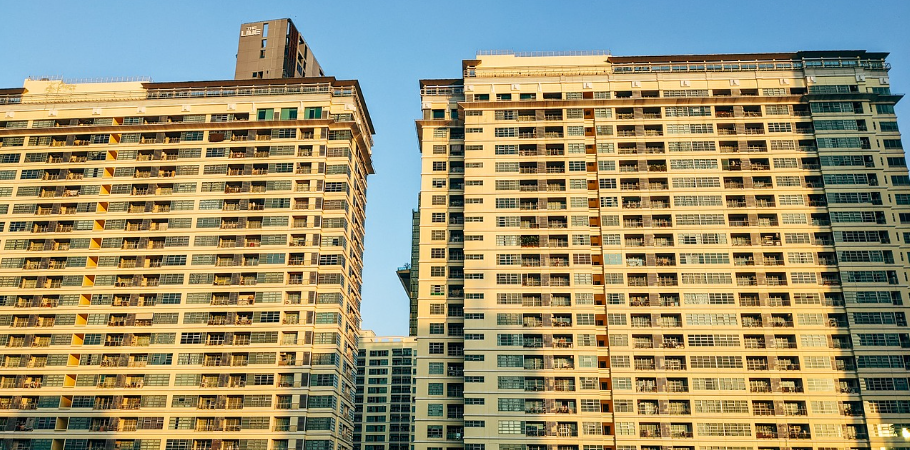
Monitoring emerging markets across the Middle East and Africa, we view Egypt’s real estate sector as one of the region’s most compelling long-term growth stories. The country continues to attract significant domestic and foreign capital, driven by demographic growth, expanding infrastructure, urbanization, and government-backed development initiatives.
Recent large-scale commitments from regional investors underscore a broader trend that we have been observing for several years: Egypt is steadily strengthening its position as a preferred destination for real estate and infrastructure investment. While individual projects often attract headlines, the bigger story lies in the structural factors that continue to make the Egyptian market attractive to institutional investors, developers, and strategic partners.
Urban Development Remains a Key Economic Driver
From our perspective, real estate development in Egypt is no longer limited to traditional housing projects. The market has evolved toward integrated urban communities that combine residential, commercial, retail, hospitality, and recreational components within a single development framework.
This approach aligns with global urban planning trends and addresses the growing demand for self-contained communities that offer convenience, accessibility, and enhanced quality of life. Investors increasingly favor projects that generate multiple revenue streams rather than relying solely on residential sales.
Mixed-use developments provide exposure to various sectors simultaneously, including retail leasing, office rentals, hospitality operations, and residential demand. This diversification can strengthen long-term investment performance while reducing reliance on a single source of income.
Why New Urban Centers Are Attracting Capital
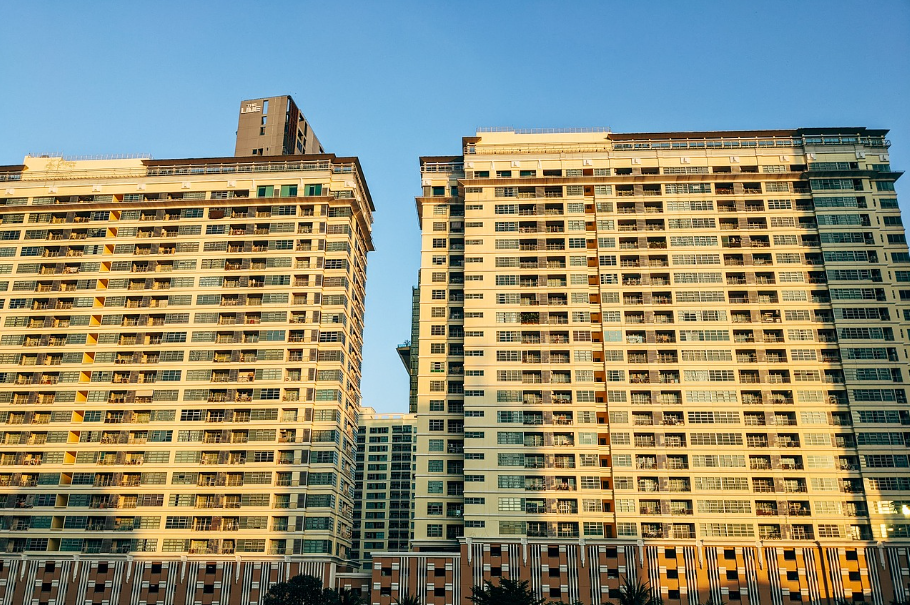
One of the most significant developments we continue to monitor is the rise of Egypt’s new urban centers. Cities such as New Cairo have become focal points for investment due to their modern infrastructure, strategic planning, and ability to accommodate population growth.
As congestion increases in traditional urban areas, demand continues to shift toward newly developed communities that offer improved transportation networks, educational facilities, healthcare services, and commercial opportunities.
For investors, these emerging urban hubs present opportunities to participate in the early stages of long-term growth cycles. Property values often benefit from infrastructure expansion, increasing population density, and rising demand from businesses seeking modern operating environments.
The development of these urban centers also reflects a broader national strategy aimed at improving livability, reducing pressure on existing cities, and supporting sustainable economic growth.
Foreign Investment Continues to Strengthen Market Confidence
A key factor supporting Egypt’s real estate outlook is the continued participation of foreign investors. Cross-border capital plays a critical role in accelerating development timelines, introducing international best practices, and enhancing overall market confidence.
From an investment standpoint, foreign participation often serves as an important indicator of market attractiveness. Large investors typically conduct extensive due diligence before committing capital, making their involvement a strong signal of confidence in the market’s long-term prospects.
Foreign developers also contribute expertise in project management, sustainability, technology integration, and customer experience, all of which can enhance asset quality and competitiveness.
As advisory professionals, we consider sustained foreign investment a positive indicator for the broader investment environment because it often encourages additional institutional and private-sector participation.
The Growing Influence of Gulf Capital
Another notable trend is the increasing flow of capital from Gulf investors into Egypt’s development sector. Economic partnerships between Egypt and Gulf countries have deepened considerably, creating favorable conditions for long-term collaboration.
We believe this trend is likely to continue because Egypt offers a combination of factors that are attractive to regional investors, including a large consumer market, strong housing demand, strategic geographic positioning, and ongoing infrastructure investments.
For Gulf-based developers and investment groups, Egypt represents an opportunity to deploy capital into projects capable of generating long-term value while supporting broader regional economic integration.
The growing presence of Gulf investors also contributes to increased market liquidity and enhances the visibility of Egypt as a regional investment destination.
Broader Economic Impact Creates Additional Value
When evaluating large-scale developments, we encourage investors to look beyond construction activity alone. The most successful projects generate economic benefits across multiple sectors long after completion.
Mixed-use developments create employment opportunities during construction and continue to support jobs in retail, hospitality, facility management, healthcare, education, and professional services once operational.
Retail spaces stimulate consumer spending, office developments support business growth, and hospitality assets contribute to tourism activity. Together, these elements create interconnected economic ecosystems that can sustain growth over extended periods.
From an investment perspective, these secondary and tertiary economic effects often enhance the long-term value proposition of major developments.
Our Outlook for Egypt’s Real Estate Market
Based on current market fundamentals, our team maintains a positive long-term outlook on Egypt’s real estate sector. Continued urbanization, infrastructure investment, demographic expansion, and international investor participation provide a strong foundation for future growth.
While every investment opportunity should be assessed individually, the broader market environment remains supportive of large-scale development initiatives. We expect integrated communities, commercial districts, and mixed-use projects to remain central to Egypt’s growth strategy in the years ahead.
For investors seeking exposure to one of Africa’s largest economies, Egypt’s real estate market continues to present opportunities supported by long-term structural trends rather than short-term market cycles. In our assessment, the sector’s evolution reflects not only growing investor confidence but also the country’s broader ambition to build modern, sustainable, and economically vibrant urban centers capable of supporting future generations.
Key Points to Note
Egypt Remains a Prime Investment Destination
Egypt continues to attract significant regional and international investment due to its large market, strategic location, and growing economy.
Real Estate Is Driving Economic Growth
The property sector has become one of the country’s strongest engines for job creation, infrastructure expansion, and capital inflows.
Mixed-Use Developments Are the Future
Investors increasingly favor projects that combine residential, commercial, retail, and hospitality components in one integrated community.
New Urban Centers Offer Long-Term Potential
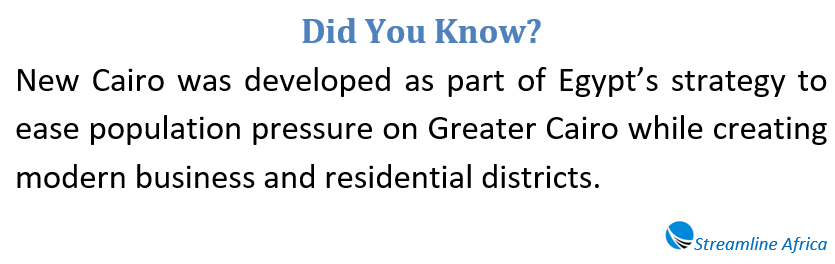
Cities such as New Cairo are emerging as major investment hubs thanks to modern infrastructure and growing demand.
Urbanization Continues to Create Demand
Population growth and migration toward planned cities are fueling the need for housing, offices, and lifestyle amenities.
Foreign Investors Strengthen Market Confidence
International developers bring capital, expertise, and global best practices that help raise development standards.
Gulf Capital Is Playing a Bigger Role
Investors from Gulf countries are expanding their footprint in Egypt, reinforcing strong regional economic ties.
Diversified Revenue Streams Attract Investors
Mixed-use projects offer multiple income sources, making them more resilient and attractive than single-purpose developments.
Infrastructure Investments Support Growth
Roads, transportation systems, and public services are increasing the value and accessibility of emerging urban districts.
Economic Benefits Extend Beyond Construction
Large developments continue generating value through retail activity, tourism, business growth, and long-term employment.
Investor Interest Reflects Strong Market Fundamentals
Continued capital commitments indicate confidence in Egypt’s long-term economic and urban development trajectory.
Sustainable Communities Are Becoming a Priority
Developers are focusing on creating self-contained environments that support modern lifestyles and long-term livability.