

In every economy, unemployment is a natural and often unavoidable part of the job market. However, not all unemployment is created equal. Two distinct types—frictional and structural unemployment—have very different causes, durations, and implications. While both involve people being out of work, the reasons behind each tell a unique story about the job market and the economy as a whole.
What Is Frictional Unemployment?
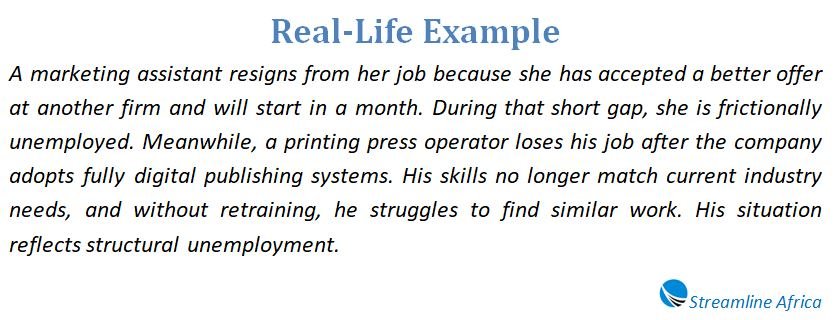
Frictional unemployment occurs when people are temporarily without work because they’re moving between jobs or entering the workforce for the first time. It’s usually short-term and often voluntary. Think of it as the gap someone experiences after quitting a job and before starting a new one. It’s a natural part of any thriving economy, especially one where people have the freedom and resources to explore better opportunities.
Graduates searching for their first job, workers relocating to new cities, or someone who has decided to leave an unsatisfying job without immediately landing a new one—these are all classic examples of frictional unemployment. The key characteristic here is that people are employable and actively looking—or at least open to looking—but haven’t found the right fit yet.
Interestingly, some job seekers actually reject certain job offers that don’t align with their qualifications, career goals, or preferred working conditions. For example, a newly graduated software developer might turn down a customer service job because it’s not aligned with their skills or aspirations. In such cases, their unemployment is considered frictional.

Why Frictional Unemployment Isn’t a Red Flag
Economists generally don’t panic about frictional unemployment. In fact, it’s seen as a healthy sign that people are seeking better roles and not just settling. It also suggests that the economy is flexible enough to allow transitions. This kind of unemployment doesn’t usually last long and rarely drains government resources, such as unemployment insurance or social welfare.
Employers can unintentionally contribute to frictional unemployment too. Sometimes, they keep positions open longer than necessary, waiting for the perfect candidate—even when there are reasonably qualified applicants available. This delay in hiring contributes to the job-searching churn.
What Is Structural Unemployment?
Structural unemployment is a more serious issue, rooted in deeper economic shifts. It arises when there’s a mismatch between the jobs available and the skills of the workforce. Unlike frictional unemployment, structural unemployment isn’t about taking time to find the right job—it’s about being unable to find one at all due to a lack of qualifications or the disappearance of entire industries.
Changes in technology, trade policies, or consumer demand can leave workers behind. For instance, a machinist who has worked on traditional manufacturing equipment for decades might find it hard to get rehired if newer factories use advanced robotics and require coding skills. Even if jobs exist, they’re inaccessible to someone without the updated skillset.
Another example is regional decline. If a town heavily reliant on coal mining sees a dramatic drop in demand for coal, the jobs may vanish altogether. Even if the national job market is strong, local workers in that town might find themselves jobless with few nearby alternatives. That’s structural unemployment in action.
The Longevity of Structural Unemployment
This type of unemployment tends to stick around. People affected by it may remain jobless for years unless they retrain, relocate, or change careers altogether. Because it’s tied to systemic economic changes, structural unemployment is of serious concern to economists and policymakers. It can push people into long-term reliance on public aid, create economic stagnation in certain regions, and widen inequality.

Comparing Frictional and Structural Unemployment
Though both types result in people being out of work, they stem from completely different causes.
Frictional unemployment is:
- Typically short-lived
- Often by choice
- A result of people voluntarily switching jobs or entering the workforce
- A sign of economic vitality and labor market fluidity
- Less likely to require government intervention
Structural unemployment, on the other hand, is:
- Long-term and often involuntary
- Caused by shifts in the economy, technology, or industries
- An indicator of underlying economic challenges
- More likely to burden public support systems
- A concern requiring targeted policy responses
Why Some People Stop Looking for Work
Some unemployed individuals eventually stop actively searching for a job altogether. This could be because they’ve lost hope after repeated rejections, or they feel they lack the skills needed for available positions. Personal responsibilities also play a role. During the COVID-19 pandemic, many people cited illness or caregiving duties as reasons for not pursuing employment. In fact, surveys showed that nearly 28% of non-working adults weren’t job-hunting due to personal or family care responsibilities.
Once someone stops actively looking for work, they’re no longer counted in the official unemployment rate—even though they might return to the labor force later. These individuals are often referred to as “discouraged workers.”
How the Unemployment Rate Is Measured
The unemployment rate is calculated by dividing the number of unemployed people by the total labor force, and then multiplying the result by 100. The labor force includes those aged 16 and older who are working or actively looking for work. It does not include those who are neither employed nor job hunting—such as discouraged workers, retirees, or full-time students.
So, while the headline unemployment number may look manageable, it doesn’t always reflect the full story, especially when structural issues are at play.
How Quickly Do College Graduates Get Hired?
A common question among new graduates is how long it will take to land a job after school. Although it varies by field and job market conditions, research shows that most college grads find employment within six months. A survey by Grand Canyon University revealed that nearly 90% of graduates were working in their chosen fields within that time frame. However, the timeline may stretch for those who are picky about the kind of role they want or who lack internships and work experience.
The Role of Cyclical Unemployment
It’s worth noting that there’s another type of unemployment—cyclical—that rises and falls with the economy. During recessions, unemployment typically spikes, and it declines during periods of economic growth. While cyclical unemployment shares the “out of work” outcome with frictional and structural types, it’s tied directly to economic ups and downs rather than personal choice or economic mismatch.
Take-Home
Frictional and structural unemployment reflect different aspects of the labor market. Frictional unemployment is often temporary and even beneficial, signaling that people are optimistic about finding something better. Structural unemployment, however, points to bigger problems—gaps in skills, disappearing industries, and entire segments of the workforce being left behind.
Understanding these two types of unemployment helps policymakers, businesses, and job seekers approach labor market challenges with greater insight. Whether it’s supporting job training programs, improving access to childcare, or encouraging workforce mobility, each type of unemployment requires a different response. By recognizing the difference, we can better prepare for and address the real issues behind joblessness in any economy.

Frequently Asked Questions
What causes structural unemployment?
Structural unemployment arises when workers’ skills no longer match available jobs—often due to technological changes, industry shifts, or economic transformations that make certain roles obsolete.
Why is frictional unemployment considered healthy?
Because it reflects movement and choice in the job market. People are searching for better opportunities, which is a sign of a dynamic, flexible economy.
Is structural unemployment a long-term problem?
Yes, it can last for years if not addressed through retraining or education. It often requires government intervention or policy changes to fix.
Do discouraged workers count in unemployment rates?
No, individuals who stop actively looking for jobs are not included in official unemployment figures, even if they’re still jobless.
How does frictional unemployment differ from structural?
Frictional is temporary and voluntary, often about job searching. Structural is long-term and involuntary, caused by shifts in the economy or lack of relevant skills.