
Gabon is one of Central Africa’s most resource-rich markets, offering investment opportunities across oil and gas, mining, forestry, renewable energy, infrastructure and environmental finance. Its Atlantic coastline, membership in regional economic organisations and relatively small population provide advantages for companies seeking a strategic base in the Central African market.
The country is also navigating an important political and economic transition. Gabon returned to constitutional government following the presidential election of April 2025, which was won by Brice Clotaire Oligui Nguema after he led the military takeover that ended the Bongo family’s decades-long rule in August 2023. Although the election was peaceful, investors must continue to assess institutional independence, political competition and the concentration of executive power.
For international companies, the Gabon business environment presents a combination of valuable natural assets, strong long-term commercial potential and significant operational challenges. Investors entering the country will require careful due diligence, experienced local advisers, reliable partnerships and a realistic understanding of regulatory and infrastructure constraints.
Gabon Market Overview and Fast Facts
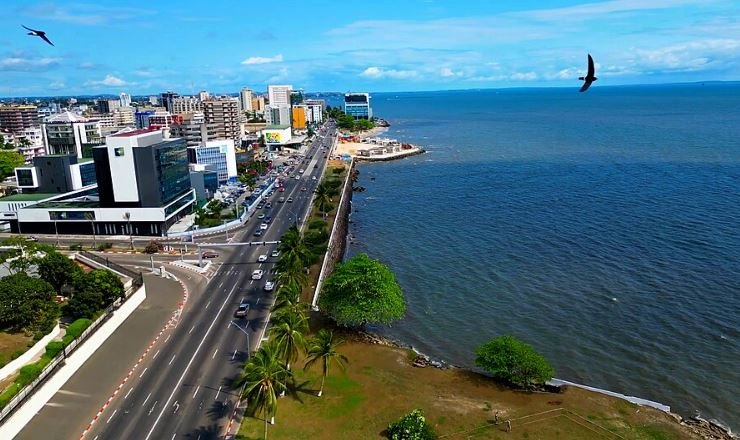
Libreville is Gabon’s political, administrative and commercial capital, while Port-Gentil remains the centre of the country’s oil and gas industry. French is the official language and the principal language used in government, contracts and business negotiations.
Gabon uses the Central African CFA franc, commonly identified by the currency code XAF. The currency is shared by members of the Central African Economic and Monetary Community, or CEMAC, and is linked to the euro through a monetary arrangement supported by the French Treasury.
The country’s leading industries include petroleum, manganese mining, timber processing, construction, transport and services. Its principal exports are crude oil, manganese and wood products. Gabon is also a member of the Economic Community of Central African States, giving businesses a potential platform for reaching neighbouring Central African markets.
Why Invest in Gabon?
Gabon’s strongest investment advantage is its concentration of valuable natural resources. The country is a major African oil producer and possesses substantial manganese reserves, as well as deposits of iron ore, gold and other minerals. These resources continue to attract international energy and mining companies.
Its location on the Atlantic coast provides maritime access to global markets. Ports serving Libreville, Port-Gentil and industrial areas can support petroleum exports, timber shipments, mineral trade and imported equipment. Gabon’s membership in CEMAC also gives companies access to a wider regional economic and monetary area.
Another advantage is the country’s exceptional forest estate. Forests cover most of Gabon’s territory and form part of the Congo Basin, one of the world’s most important tropical ecosystems. This creates opportunities in sustainable forestry, conservation, ecotourism, biodiversity protection and carbon finance.
The government has also identified economic diversification, local processing and infrastructure development as national priorities. Companies capable of creating employment, transferring skills and processing natural resources locally may find opportunities aligned with public development objectives.
Political Environment and Democratic Transition
The political landscape changed dramatically on 30 August 2023, when military officers removed President Ali Bongo Ondimba following a disputed election. The takeover ended more than five decades of rule by the Bongo family and introduced a transitional administration led by General Brice Oligui Nguema.
A new constitutional framework was subsequently introduced, followed by a presidential election on 12 April 2025. Oligui Nguema won the election by a wide margin and began a seven-year presidential term. The vote marked a formal return to constitutional government, although opposition groups and governance observers have continued to raise concerns about political competition and the advantages enjoyed by the transitional leadership.
Gabon was suspended from ECCAS after the military takeover but was readmitted in March 2024 following progress in the political transition. Regional reintegration has helped restore diplomatic and economic cooperation with neighbouring states.
Investors should nevertheless monitor political developments, institutional reforms, public-sector appointments and changes to commercial policy. Political stability does not automatically guarantee regulatory predictability, particularly when national economic priorities are being redefined.

Gabon Economic Outlook
Gabon remains highly dependent on oil revenues, leaving government finances, exports and economic growth vulnerable to movements in global energy prices. Petroleum continues to dominate the economy even as authorities attempt to expand mining, agriculture, forestry and manufacturing.
The World Bank projected average economic growth of approximately 2.4% between 2025 and 2027, supported by wood production, mining and agriculture. However, the outlook remains exposed to oil-price volatility, international trade uncertainty, rising public expenditure and the need for stronger structural reforms.
Economic diversification is therefore more than a long-term policy ambition. It is essential for creating employment, widening the tax base and reducing Gabon’s exposure to commodity cycles. Investment in local processing, transport, digital services, food production and renewable energy could help establish more balanced sources of growth.
Oil and Gas Investment Opportunities
Oil and gas remain the largest contributors to Gabon’s export earnings and foreign investment activity. Opportunities exist in exploration, production, offshore services, engineering, maintenance, logistics, storage and equipment supply.
International energy companies may also find demand for technologies that extend the productive life of mature fields, improve operational efficiency and reduce environmental impacts. Service providers offering inspection, environmental management, technical training and industrial safety can support established operators.
However, investors must consider fluctuating oil prices, changing petroleum regulations, local-content expectations and the high costs associated with offshore operations. Energy projects should be structured around detailed legal, fiscal and environmental analysis.
Mining and Mineral Processing
Gabon is internationally recognised for its manganese resources, which support exports and industrial activity. The country also possesses iron ore, gold and other mineral deposits that could sustain future investment.
The greatest long-term opportunity may come from moving beyond the export of unprocessed minerals. Projects involving mineral treatment, beneficiation, equipment maintenance, industrial logistics and supporting infrastructure could generate greater local economic value.
Mining investors must evaluate access to electricity, rail networks, ports and water. Large projects may require substantial associated infrastructure and close engagement with public authorities, local communities and environmental regulators.
Sustainable Forestry and Wood Processing
Gabon’s extensive forests support one of the country’s most promising diversification strategies. Commercial possibilities include sustainable timber production, furniture manufacturing, engineered wood products, construction materials and forestry services.
Policies encouraging local wood processing have created incentives for manufacturers that can convert raw timber into higher-value products. Companies with expertise in traceability, certification, efficient processing and responsible sourcing may have a competitive advantage.
Forestry investments must be designed around biodiversity protection, community rights and credible sustainability standards. Poorly managed operations may expose investors to environmental, reputational and regulatory risks.
Carbon Markets and ESG Investment
Gabon’s forests absorb significant quantities of carbon, giving the country a potentially important position in international climate finance. Opportunities may emerge in forest conservation, carbon-credit projects, biodiversity programmes and other nature-based investments.
Businesses and financial institutions seeking environmental, social and governance opportunities may support forest monitoring, climate data, sustainable land management and conservation-linked community development. Gabon’s natural capital could become an increasingly important economic asset if carbon projects are supported by reliable measurement, transparent governance and recognised verification standards.
The World Bank has emphasised the importance of valuing Gabon’s natural and forest assets as part of the country’s broader wealth and development strategy.
Investors should still conduct rigorous legal and technical due diligence. Carbon ownership, revenue-sharing arrangements, community consent and the credibility of issued credits must be clearly established before capital is committed.
Renewable Energy and Electricity
Inadequate and unreliable electricity remains a barrier to industrial expansion. At the same time, the power deficit creates opportunities for renewable-energy developers, independent power producers and suppliers of decentralised energy systems.
Gabon has potential for hydropower, solar installations and hybrid energy solutions. Renewable projects could serve industrial facilities, rural communities, commercial buildings and processing operations located beyond the most reliable sections of the national grid.
Energy investments should account for project-finance requirements, transmission limitations, environmental impacts and the creditworthiness of purchasers. Hydropower developments, in particular, require careful planning to protect river ecosystems and surrounding communities.
Agriculture, Fisheries and Food Processing
Despite favourable land, rainfall and water resources, Gabon remains dependent on imported food. This creates opportunities in commercial agriculture, livestock production, fisheries, aquaculture, food storage and agro-processing.
Potential products include poultry, vegetables, fruit, palm products, cassava and processed foods. Investors can also provide irrigation equipment, cold-storage facilities, agricultural technology, packaging and distribution services.
Successful agribusiness projects will require attention to land access, transport, workforce availability and links to urban markets. Partnerships with local producers can strengthen supply chains while increasing community participation.
Tourism and Ecotourism Opportunities
Gabon’s rainforests, national parks, coastline and wildlife offer significant potential for high-value ecotourism. The country is well positioned to develop conservation tourism, wildlife experiences, coastal resorts and specialised nature travel.
However, tourism growth is constrained by transport costs, limited international visibility, insufficient hospitality infrastructure and difficult access to some natural attractions. Investors will need to combine accommodation development with transport, marketing, workforce training and conservation partnerships.
Gabon is unlikely to compete effectively as a mass-market destination in the immediate future. Its stronger opportunity lies in premium, environmentally responsible tourism aimed at visitors seeking distinctive experiences.
Infrastructure and Logistics Outlook
Road, rail, port and power infrastructure are central to Gabon’s diversification plans. Mining, forestry, agriculture and manufacturing cannot grow sustainably without more reliable transport and energy networks.
Opportunities may arise in road construction, rail rehabilitation, port services, warehousing, industrial zones, water systems and public-private partnerships. Logistics companies can also support the movement of minerals, timber, food, fuel and industrial equipment.
Infrastructure investors must carefully examine procurement procedures, financing arrangements and government-payment risks. Projects that depend heavily on public finances may face delays, renegotiation or pressure arising from debt constraints.
Digital Economy and Business Services
Gabon’s digital economy offers emerging opportunities in telecommunications, mobile payments, business software, cybersecurity, digital government services and online education.
Companies operating in traditional sectors also require modern systems for payroll, logistics, inventory control, tax reporting and customer management. Technology firms that adapt their products to local language, connectivity and payment conditions may find an expanding customer base.
Digital businesses must consider data-protection requirements, licensing, internet reliability and the relatively small size of the domestic market. Regional expansion may therefore be important for achieving scale.
Starting a Business in Gabon
Foreign investors are generally permitted to establish and own companies in Gabon, subject to sector-specific requirements. Common structures include the société à responsabilité limitée, equivalent to a limited liability company, and the société anonyme, which is generally used for larger enterprises.
The National Investment Promotion Agency, known as ANPI-Gabon, assists investors and operates business-registration services. The one-stop-shop model is intended to centralise procedures and reduce the administrative burden of creating a company.
Gabon’s investment framework broadly provides foreign companies with legal rights similar to those available to domestic businesses. Nevertheless, investors may still face document delays, unclear procedures and inconsistencies between formal rules and administrative practice.
Professional legal, accounting and tax guidance should be obtained before incorporation. Companies should also identify all permits, labour obligations, environmental approvals and sector-specific licences required for their planned activities.
Taxation and Investment Incentives
Investment incentives may be available for qualifying projects, particularly those supporting industrialisation, exports, employment creation and priority sectors. Depending on the investment structure, benefits may include customs arrangements, tax relief or access to designated industrial and special economic zones.
The Nkok Special Economic Zone near Libreville is an important industrial platform, particularly for timber processing and manufacturing. Businesses operating in such zones may benefit from infrastructure, simplified administration and investment incentives, subject to eligibility conditions.
Tax concessions should not be treated as automatic. Investors must confirm applicable corporate taxes, value-added tax, customs duties, withholding taxes and sector-specific charges through qualified local advisers.
Principal Business Risks in Gabon
Political and regulatory uncertainty remain important risks. Policy priorities can change as the government seeks to strengthen state participation, increase local processing and deliver visible economic results.
Corruption, limited transparency and inconsistent administrative decisions can complicate customs clearance, procurement and licensing. Businesses should maintain clear approval controls, documented transactions and effective anti-bribery procedures.
Infrastructure shortages may disrupt operations and increase costs. Companies may need backup electricity, private transport arrangements, additional inventory and longer delivery timelines.
Access to specialised skills can also be limited. Investors may need to develop training programmes while complying with localisation and work-permit requirements.
Public debt and fiscal pressure represent additional concerns. Government-related contracts should be assessed for payment risk, funding certainty and possible implementation delays.
Employment and Social Considerations
Unemployment remains particularly serious among young people and women. Despite Gabon’s resource wealth, economic benefits have not been evenly distributed, and many households continue to face limited employment opportunities.
Investors can reduce social risk by recruiting transparently, providing skills training and developing local suppliers. Apprenticeship programmes, graduate placements and partnerships with educational institutions can help build a stronger employment pipeline.
Community engagement is especially important for mining, forestry, infrastructure and conservation projects. Investors should establish credible consultation processes, grievance mechanisms and local-development commitments before operations begin.
Business Culture and Communication
French remains the dominant language in business, government and legal documentation. Although English is becoming more visible through education and international companies, investors should not rely on English alone.
Business relationships often develop through personal contact, trust and repeated engagement. Meetings may focus first on relationship-building before moving to detailed commercial decisions.
Companies should identify decision-makers carefully and allow sufficient time for internal approvals. Respect for hierarchy, formal communication and professional titles can support productive relationships.
Contracts and key documents should be prepared or reviewed in French. Investors should also avoid relying exclusively on verbal assurances, particularly for regulatory approvals, land arrangements or financial commitments.
Market-Entry Strategy for Foreign Investors
A phased entry strategy is generally safer than committing substantial capital immediately. Investors can begin with market research, local representation, distribution partnerships or a limited pilot operation.
Potential partners should be assessed for financial standing, technical capacity, reputation, political exposure and legal compliance. Informal influence should never replace documented authority and contractual safeguards.
Companies should also prepare contingency plans for customs delays, unreliable utilities, currency transfers and regulatory changes. Strong internal governance is particularly important in sectors involving public contracts or natural resources.
Gabon’s Long-Term Investment Outlook
Gabon’s long-term economic potential depends on whether it can convert natural-resource wealth into productive infrastructure, employment and competitive domestic industries. Oil will remain important, but future growth is likely to depend increasingly on mining, processed wood, agriculture, renewable energy and services.
The country’s forests also give it a strategic advantage in the expanding global market for climate solutions and nature-based finance. However, environmental opportunities will only produce sustainable returns if they are supported by transparent governance and credible benefit-sharing.
For investors with sufficient risk tolerance, Gabon offers access to valuable resources and underdeveloped sectors. The strongest opportunities are likely to be found by companies that combine commercial objectives with local processing, employment creation, skills development and responsible environmental practices.
Gabon should therefore be viewed as a high-potential but operationally demanding market. Investors that enter with realistic expectations, reliable local knowledge and strong compliance systems will be better positioned to manage its risks and participate in its economic transformation.