

Trade agreements between countries are important tools used to strengthen economic cooperation, improve market access, and create opportunities for businesses. When a country like Ghana enters into a strategic agreement with a large economy such as China, it usually aims to expand exports, attract investment, and support long-term economic development.
An agreement focused on the “end-of-harvest” stage generally relates to the movement of agricultural and processed goods from the point of production to international markets. In simple terms, it is designed to ensure that products harvested or produced locally can be exported efficiently and competitively. Such agreements often involve reducing trade barriers, improving standards for export, and strengthening supply chains between the participating countries.
For Ghana, this type of arrangement reflects an effort to increase the global presence of its agricultural and manufactured products. It also highlights the country’s broader ambition to move beyond exporting raw materials toward producing value-added goods that can compete internationally.

Expanding Market Access for Ghanaian Products
One of the most important aspects of trade cooperation is access to larger consumer markets. China is home to one of the world’s biggest populations and has a rapidly growing middle class with increasing demand for imported products.
When Ghanaian products gain easier entry into this market, exporters have the opportunity to significantly expand their sales. Lower trade barriers, such as reduced or zero tariffs, help make these products more competitive compared to goods from other countries. This encourages buyers, distributors, and manufacturers in China to source products from Ghana.
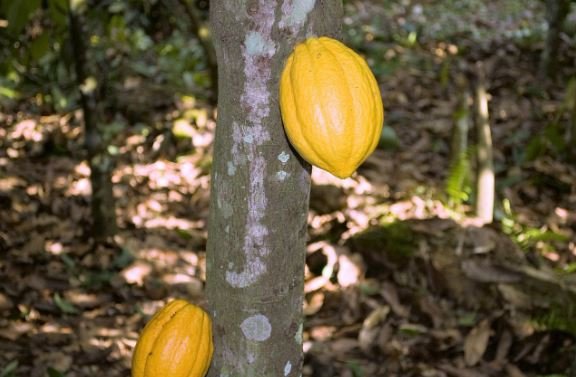
Agricultural commodities like cocoa, cashew, and shea-based products often attract strong international demand. When exporters can sell these products in large markets with fewer restrictions, the entire supply chain benefits—from farmers and processors to logistics companies and exporters. Over time, increased exports can contribute to stronger foreign exchange earnings and a healthier balance of trade for Ghana.
Strengthening Industrial Development
Beyond agricultural exports, trade partnerships often play a key role in supporting industrial growth. When countries collaborate economically, they frequently exchange expertise, technology, and investment that can help develop local industries.
For Ghana, this can support efforts to strengthen sectors such as manufacturing, textiles, agro-processing, and energy-related industries. Instead of exporting only raw agricultural materials, the country can focus on processing and refining products before exporting them.
For example, cocoa beans can be processed into cocoa powder, butter, or chocolate. Cashew nuts can be shelled and packaged locally. Shea nuts can be processed into shea butter and cosmetics ingredients. Each stage of processing adds value and creates additional employment opportunities.
Industrial cooperation with international partners may also lead to the establishment of factories and production facilities in Ghana. These developments can support the growth of domestic supply chains and encourage innovation within local industries.
Opportunities for Agricultural Producers
Farmers and agribusiness operators are among the primary beneficiaries of stronger international trade relationships. When export demand increases, agricultural producers often experience higher demand for their crops.
This creates incentives for farmers to expand production, improve crop quality, and adopt modern farming techniques. In many cases, export-oriented agriculture also encourages investment in irrigation systems, improved seeds, and better storage facilities.
Agricultural cooperatives and farmer associations may also play a bigger role in helping small-scale farmers meet export standards. By working together, producers can improve quality control, negotiate better prices, and access larger markets more efficiently.
This type of trade arrangement can therefore strengthen rural economies and improve livelihoods for farming communities.
Growth Opportunities for Local Manufacturers
Manufacturing and processing companies also stand to benefit from stronger trade ties. When export opportunities increase, demand grows for processed goods that meet international standards.
Local companies that process agricultural products may expand production to meet overseas demand. Businesses involved in packaging, labeling, and quality certification may also see increased opportunities.
Additionally, partnerships with foreign investors may help local manufacturers upgrade their equipment and adopt new production technologies. These improvements can enhance productivity and enable Ghanaian companies to compete more effectively in global markets.
Over time, such developments contribute to a stronger industrial base and a more diversified economy.
Benefits for Small and Medium Enterprises
Small and medium-sized enterprises (SMEs) play a vital role in Ghana’s economy. Trade agreements can create indirect opportunities for these businesses by expanding the overall economic activity related to exports and manufacturing.
SMEs may participate in supply chains by providing raw materials, transportation services, packaging solutions, marketing support, or technical services. For example, logistics companies may handle the transportation of goods from farms to processing facilities or ports.
Entrepreneurs involved in warehousing, cold storage, and export documentation may also find new opportunities as trade volumes increase.
These activities not only support large exporters but also create new avenues for local entrepreneurs to grow their businesses.
Technology Transfer and Skills Development
International trade partnerships often bring opportunities for technology transfer and workforce development. When foreign investors collaborate with local companies, they may introduce modern equipment, improved production processes, and new management practices.
Local workers and technicians can gain valuable skills by working in industries that adopt advanced technologies. Over time, this helps build a more skilled workforce capable of supporting long-term industrial development.
Training programs, technical workshops, and joint ventures can also strengthen knowledge sharing between Ghanaian professionals and their international partners.
These experiences contribute to stronger local expertise and increased productivity across industries.
Long-Term Economic Impact
Strategic trade agreements have the potential to shape a country’s economic direction for many years. By expanding export opportunities, attracting investment, and supporting industrial growth, such partnerships can help accelerate economic development.
For Ghana, the long-term goal is to build a more resilient economy that is not solely dependent on raw commodity exports. By promoting value-added production and expanding access to international markets, the country can create more jobs and strengthen its position in global trade.
Local businesses that prepare early—by improving product quality, meeting export standards, and exploring partnerships—are more likely to benefit from these opportunities.
Ultimately, stronger trade cooperation can support sustainable economic growth while creating new possibilities for businesses across agriculture, manufacturing, and services.
Important Takeaways
Expanded Access to a Massive Market
The agreement signals improved access for Ghanaian goods to the large consumer market in China. For exporters, this means greater demand potential and more opportunities to scale production.
Reduced Trade Barriers
Lower tariffs or fewer trade restrictions can make Ghanaian products more competitive abroad. This encourages more exports and helps local businesses reach international buyers.
Stronger Demand for Agricultural Products
Farmers producing crops such as cocoa, cashew, and shea-based products may benefit from increased international demand. This can improve rural incomes and stimulate agricultural growth.
Encouragement of Value Addition
The agreement supports Ghana’s push to process more of its raw materials locally. Instead of exporting only raw crops, businesses can produce finished or semi-processed goods.
Opportunities for Manufacturing Expansion
Industrial cooperation could encourage the growth of sectors like textiles, food processing, and light manufacturing within Ghana.
Potential for Foreign Investment
Stronger trade ties often attract foreign investors looking to establish factories, processing plants, and logistics operations in Ghana.
Job Creation Across Multiple Sectors
As exports, agriculture, and manufacturing expand, employment opportunities may grow in farming, processing, transport, and trade-related services.
Increased Role for Small and Medium Enterprises
Local SMEs can benefit by supplying services such as packaging, logistics, storage, and export support to larger companies involved in international trade.
Development of Export Supply Chains
Improved cooperation between producers, processors, and exporters can strengthen supply chains and make it easier to move goods from farms to global markets.
Skills and Technology Transfer
Partnerships with international companies may introduce modern production technologies and training opportunities for Ghanaian workers.
Support for Ghana’s Industrialisation Goals
The agreement aligns with the national goal of transforming Ghana into a value-added manufacturing and export-driven economy.
Long-Term Economic Growth Potential
By strengthening exports and industrial activity, the trade partnership could contribute to sustained economic growth and improved global competitiveness.