
Ghana is reshaping the way it manages one of its most valuable natural resources by expanding state purchases of locally produced gold instead of allowing most of the country’s bullion to flow directly into international markets. The strategy reflects a broader effort to strengthen foreign exchange reserves, support the stability of the cedi, promote domestic refining, and retain a greater share of the economic value generated by Africa’s leading gold-producing nation.
As global demand for gold continues to grow and central banks increasingly view the precious metal as a strategic reserve asset, Ghana is positioning itself to benefit from every stage of the gold value chain rather than limiting its role to extraction and export. The policy also aligns with a wider trend among resource-rich countries that are seeking to process more of their minerals locally while reducing dependence on raw commodity exports.
Ghana Expands State Purchases of Gold
Under Ghana’s revised gold purchasing framework, large-scale mining companies are required to sell 30% of their gold production to the state-owned Ghana Gold Board (GoldBod), representing an increase from the previous 20% allocation.
The arrangement was reached following consultations between the government and the Ghana Chamber of Mines, ensuring that the country’s largest mining companies contribute directly to the national reserve accumulation programme while maintaining a stable operating environment for the industry.
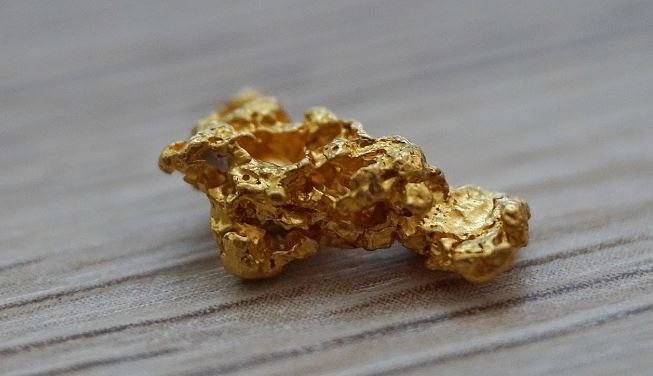
The requirement applies to gold supplied in doré form—semi-refined bullion produced before undergoing final refining and certification. By increasing the amount of domestically produced gold acquired by the state, Ghana is strengthening its ability to build strategic reserves while creating a more reliable supply for future refining activities within the country.
Building Stronger Foreign Exchange Reserves
A key objective of the expanded purchasing programme is to reinforce Ghana’s financial resilience through larger official gold holdings.
Gold has become an increasingly important component of reserve management for central banks around the world. Unlike many financial assets, bullion has historically maintained its value during periods of inflation, geopolitical uncertainty, financial market volatility, and currency fluctuations. As a result, many monetary authorities have steadily increased their gold reserves as part of broader diversification strategies.
For Ghana, larger gold reserves provide an additional financial buffer that can strengthen investor confidence, improve the country’s reserve position, and offer greater flexibility in responding to external economic shocks.
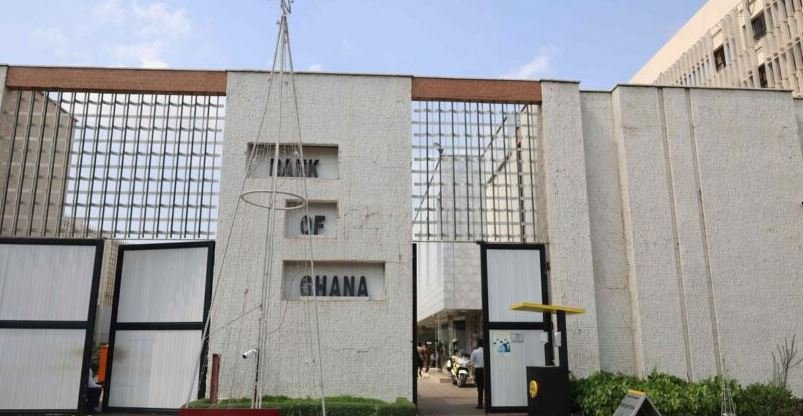
The Bank of Ghana’s domestic gold purchasing programme forms an important pillar of this strategy. Since its introduction, the initiative has steadily increased the country’s official bullion holdings while supporting the long-term objective of expanding national reserves to levels capable of providing stronger import cover and enhancing macroeconomic stability.
Supporting the Stability of the Cedi
Beyond strengthening reserves, the government’s expanded gold acquisition programme is intended to reinforce confidence in Ghana’s local currency.
Maintaining adequate reserve assets plays an essential role in supporting exchange rate stability, particularly for economies that rely heavily on international trade. Gold provides policymakers with an additional reserve asset that can complement foreign currency holdings and improve the country’s overall financial position.
Under the purchasing arrangement, GoldBod acquires domestically produced gold using pricing linked to the Bank of Ghana’s reference price, with transactions settled in Ghanaian cedis. This structure promotes greater use of the local currency within the mining sector while supporting broader monetary policy objectives.
By increasing official bullion holdings, authorities aim to strengthen the country’s capacity to manage future economic challenges while reinforcing confidence in the national currency.
Accelerating Domestic Gold Refining
Another major pillar of Ghana’s strategy focuses on expanding domestic refining capacity.
Although Ghana ranks among the world’s leading gold producers, much of its bullion has traditionally been exported in semi-processed form before undergoing advanced refining and certification abroad. This has limited the country’s ability to capture the higher-value activities associated with the global bullion industry.
The government is working to change that model by encouraging more gold to be refined locally before entering international markets.
Expanding domestic refining capacity has the potential to generate additional investment, create highly skilled employment, stimulate technology transfer, and strengthen supporting industries ranging from logistics to laboratory testing and quality assurance.
Officials also aim to secure international recognition for at least one Ghanaian refinery by obtaining accreditation from the London Bullion Market Association (LBMA). Achieving this standard would allow locally refined bullion to compete more effectively in global markets while positioning Ghana as a regional centre for precious metals refining and trading.
GoldBod’s Growing Role in the Industry
The Ghana Gold Board has become central to the country’s evolving strategy for managing its gold resources.
The institution was established to centralize gold purchasing, improve traceability throughout the supply chain, formalize gold trading, and reduce illegal exports. By creating a single, coordinated purchasing framework, authorities are strengthening oversight while improving transparency across the sector.
GoldBod already purchases the output of Ghana’s licensed artisanal and small-scale mining sector. The inclusion of large-scale mining companies significantly expands the institution’s mandate and gives the government greater access to domestically produced bullion for strategic purposes.
The broader purchasing programme also enhances supply chain accountability, helping ensure that gold entering both domestic and international markets can be traced through formal channels.
Cooperation Between Government and Mining Companies
The revised purchasing framework follows extensive engagement between government officials and major mining companies operating in Ghana.
Industry consultations helped establish a balanced arrangement that supports national economic priorities while recognizing the operational realities of large-scale mining businesses.
By working collaboratively with mining companies, policymakers have sought to introduce reforms that strengthen national interests without disrupting production or reducing investor confidence in Ghana’s mining sector.
This cooperative approach demonstrates the importance of dialogue when implementing policies that affect one of the country’s largest export industries.
Retaining More Value from Gold Production
Gold remains one of Ghana’s most important export commodities and continues to generate a substantial share of the country’s foreign exchange earnings.
Despite the sector’s strong performance, policymakers recognize that exporting large volumes of semi-processed bullion limits the broader economic benefits available to the country.
Increasing domestic purchases and expanding local refining represent efforts to retain more of the value generated throughout the gold supply chain. Rather than allowing refining, certification, and portions of the trading process to occur abroad, Ghana is working to develop these industries domestically.
This strategy has the potential to generate higher-value employment opportunities while strengthening industrial capacity and encouraging long-term investment in supporting sectors.
Part of a Wider Resource Development Strategy
Ghana’s approach reflects a growing shift among resource-rich economies toward increasing domestic value addition.
Across the mining sector, governments are placing greater emphasis on processing, refining, and manufacturing within their own borders instead of exporting raw or semi-processed commodities. The objective is to create stronger local industries, expand skilled employment, improve technology transfer, and generate higher returns from natural resources.
Gold occupies a particularly important place within this strategy because it serves not only as a major export commodity but also as a strategic financial asset capable of strengthening national reserves.
For Ghana, combining reserve accumulation with industrial development allows the country to pursue multiple economic objectives through a single coordinated policy framework.
Positioning Ghana for Long-Term Leadership
By expanding state purchases of gold, strengthening official reserves, supporting the cedi, and investing in domestic refining, Ghana is pursuing a comprehensive strategy to maximize the benefits of its gold industry.
The policy moves beyond simply increasing production volumes and instead focuses on capturing greater value across every stage of the bullion supply chain. Through stronger reserve management, improved industry oversight, enhanced refining capacity, and closer collaboration with mining companies, Ghana is laying the foundation for a more resilient and competitive gold sector.
If these initiatives continue to achieve their intended objectives, Ghana will not only maintain its position as Africa’s largest gold producer but also strengthen its standing as a leading centre for bullion refining, reserve accumulation, and precious metals trading. In doing so, the country can retain more of the wealth generated by its mineral resources while building a stronger and more diversified economy for the future.
Key Points to Note
Ghana Is Keeping More Gold at Home
The government is increasing state purchases of locally mined gold to ensure more of the country’s mineral wealth contributes directly to national development.
Stronger Gold Reserves Support Economic Stability
Expanding official gold reserves provides Ghana with a stronger financial cushion against global economic uncertainty and external shocks.
The Policy Aims to Strengthen the Cedi
Holding more gold as a reserve asset can improve confidence in the country’s financial position and help support currency stability over time.
Local Refining Is a Major Priority
Instead of exporting mostly semi-processed gold, Ghana wants to expand domestic refining to capture more value before bullion reaches international markets.
GoldBod Plays a Central Role
The Ghana Gold Board is becoming the country’s main institution for purchasing, managing, and improving transparency across the gold supply chain.
Mining Companies Are Supporting the Strategy
Large-scale miners are contributing a larger share of their production to the state under a framework developed through industry consultations.
More Value Means More Jobs
Growing the local refining industry could create skilled employment opportunities in engineering, metallurgy, logistics, quality assurance, and finance.
Ghana Wants to Lead the Regional Gold Market
The country is working toward becoming not only Africa’s largest gold producer but also a major hub for bullion refining and trading.
Better Resource Management Drives Long-Term Growth
Capturing more value from gold production supports industrial development while reducing reliance on exporting raw or semi-processed minerals.
A Model for Other Resource-Rich Countries
Ghana’s strategy demonstrates how mineral-producing nations can use natural resources to build stronger reserves, expand local industries, and achieve more sustainable economic growth.