
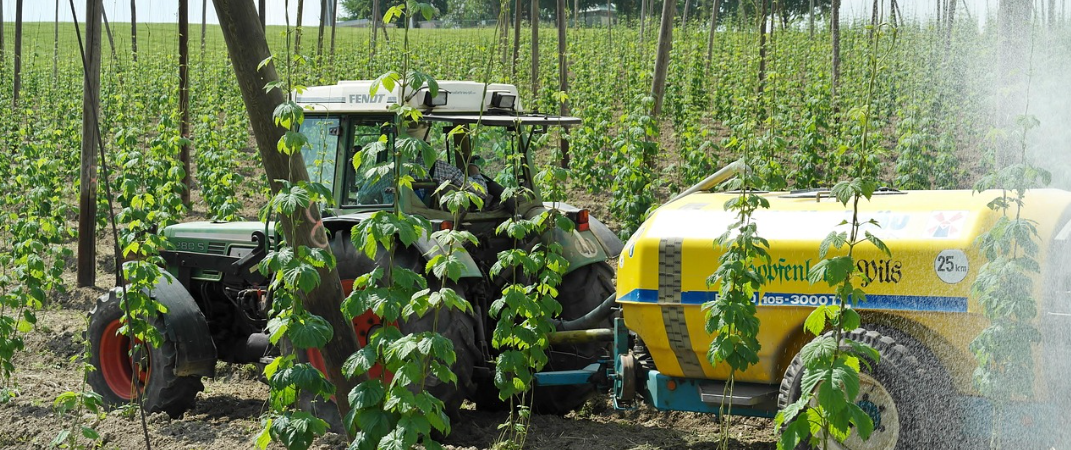
Africa’s Growing Role in Global Fresh Produce Markets
Across international food markets, demand for high-quality fresh fruits and vegetables continues to rise as consumers increasingly prioritize healthy diets and year-round availability. This trend has opened new opportunities for African agricultural businesses capable of meeting strict international quality requirements while delivering reliable supplies to overseas buyers.
Several African countries possess favorable climates that allow crops to be harvested during periods when European production declines. This seasonal advantage creates valuable export windows, enabling African producers to serve retailers looking to maintain consistent stock throughout the year. However, turning this natural advantage into a sustainable business requires far more than fertile land and good weather.
Building a successful export enterprise involves careful planning, investment in quality systems, dependable logistics, strong farmer relationships, and an understanding of international retail expectations. Entrepreneurs who combine these elements effectively can transform local agricultural production into globally competitive businesses while creating meaningful economic opportunities within their communities.
Identifying Market Gaps Before Growing Crops
One of the biggest mistakes new exporters make is producing first and searching for buyers afterward. Successful export businesses typically reverse this process by studying demand before making production decisions.
International retailers are highly selective about the suppliers they work with. They require consistency in product quality, delivery schedules, packaging standards, food safety, and traceability. Entrepreneurs therefore spend considerable time understanding customer requirements before committing resources to cultivation.
Market research helps determine which crops experience supply shortages during specific seasons, which countries import the largest volumes, and what quality specifications buyers expect. Instead of competing solely on price, exporters can position themselves as dependable suppliers capable of delivering premium products when demand is highest.
This customer-first mindset reduces commercial risk and allows businesses to focus their investments on products with proven market potential.
Selecting Products That Offer Long-Term Commercial Value
Not every agricultural commodity is equally suited for international markets. Successful exporters often concentrate on crops that combine strong consumer demand with favorable production conditions in their home countries.
Fresh avocados have become one of the fastest-growing categories in international produce markets due to increasing consumer interest in nutritious foods. Likewise, chillies remain popular ingredients across multiple cuisines, creating steady demand among wholesalers, food manufacturers, and supermarket chains.
Product selection should also consider factors such as shelf life, transportation requirements, production costs, and market competition. Some businesses intentionally begin with a limited product portfolio to develop operational expertise before expanding into additional crop varieties.
Specialization allows companies to refine their production systems, establish stronger buyer relationships, and develop a reputation for reliability.

Building Strong Partnerships with Farmers
Few export companies cultivate every product themselves. Instead, many operate through networks of contracted farmers who receive technical guidance and guaranteed purchasing arrangements.
This partnership model creates advantages for both sides. Farmers gain access to dependable markets, improved farming knowledge, and more predictable income opportunities. Exporters, meanwhile, obtain larger production capacity without purchasing extensive farmland.
Maintaining these relationships requires continuous engagement rather than occasional transactions. Businesses often support farmers through regular field visits, agronomic advice, input recommendations, and quality monitoring throughout the growing season.
When growers understand international quality expectations from planting through harvesting, rejection rates decrease and overall productivity improves.
Long-term collaboration also strengthens trust, encouraging farmers to remain committed even during periods of market uncertainty.
Meeting International Quality and Food Safety Standards
Export success depends heavily on maintaining consistently high standards from farm to final destination. International buyers expect products that satisfy rigorous food safety, hygiene, and quality requirements.
Every stage of production influences final quality. Proper irrigation, responsible pesticide application, harvesting at the correct maturity, careful handling, grading, and packaging all contribute to maintaining product integrity.
Traceability systems have become increasingly important. Buyers often require exporters to identify exactly where products originated, when they were harvested, and how they were handled throughout the supply chain.
Businesses that invest in certification programs, quality assurance teams, and documented operating procedures are generally better positioned to access premium international markets and establish long-term commercial relationships.
Managing Cold Chain Logistics Efficiently
Fresh produce begins losing quality immediately after harvest. Maintaining product freshness therefore requires an uninterrupted cold chain that preserves temperature from farm collection through international delivery.
This process involves coordinated transportation, refrigerated storage, packing facilities, airport handling, and overseas distribution networks. Even relatively short delays can reduce shelf life and increase waste.
Exporters must carefully coordinate harvest schedules with shipping arrangements to minimize unnecessary storage periods. Efficient logistics planning not only protects product quality but also improves profitability by reducing spoilage and customer complaints.
Technology increasingly supports these operations through temperature monitoring, shipment tracking, and real-time logistics management, allowing exporters to respond quickly when disruptions occur.
Establishing Credibility with International Buyers
Winning contracts with international retailers requires more than competitive pricing. Buyers seek suppliers capable of delivering consistent performance over extended periods.
Trust develops gradually through transparent communication, dependable deliveries, and the ability to resolve operational challenges professionally. Businesses that consistently meet commitments often receive larger purchase volumes and longer-term supply agreements.
Rather than pursuing rapid expansion immediately, successful exporters frequently concentrate on exceeding expectations for a smaller group of customers before extending their market reach.
Reliable service eventually becomes a competitive advantage that differentiates suppliers in increasingly crowded international markets.
Financing Growth Without Losing Operational Discipline
Agricultural exports demand considerable working capital. Businesses often pay farmers, packaging suppliers, labor costs, transportation providers, and certification expenses well before receiving payment from overseas customers.
This creates significant cash flow challenges, particularly for growing companies.
Careful financial management becomes essential to maintaining operational stability. Entrepreneurs must forecast seasonal cash requirements, negotiate appropriate payment terms, monitor expenses closely, and secure financing that aligns with production cycles.
Rather than pursuing aggressive expansion financed entirely through debt, sustainable businesses often scale gradually while strengthening profitability and operational efficiency.
Disciplined financial management provides greater resilience during periods of fluctuating commodity prices or temporary market disruptions.
Adapting to Market Changes
Consumer preferences, international regulations, exchange rates, and climate conditions continuously reshape agricultural markets. Export businesses that remain competitive actively monitor these developments and adjust accordingly.
Some companies diversify into additional crops to reduce dependence on a single commodity. Others introduce improved packaging, invest in processing capabilities, or expand into new geographic markets.
Innovation also extends to production methods. Precision agriculture, improved irrigation systems, digital farm monitoring, and data-driven forecasting help businesses increase efficiency while reducing environmental impact.
Organizations that embrace continuous improvement are generally better equipped to maintain competitiveness over the long term.
Creating Shared Value Beyond Commercial Success
Successful agricultural export businesses often generate benefits that extend well beyond financial performance.
As operations expand, they create employment opportunities across farming, transportation, quality control, warehousing, packaging, administration, and logistics. Many also contribute to improved farming practices through ongoing training and knowledge transfer.
Higher-quality production standards frequently encourage farmers to adopt more sustainable agricultural methods, improving yields while protecting natural resources. Stable purchasing arrangements can also reduce income uncertainty for rural households, strengthening local economies.
When businesses prioritize responsible partnerships rather than short-term transactions, they contribute to broader agricultural development alongside their commercial objectives.
Lessons for Emerging African Entrepreneurs
The experience of successful fresh-produce exporters demonstrates that international competitiveness is achievable through disciplined execution rather than exceptional circumstances.
Entrepreneurs entering the sector should begin by understanding customer requirements before selecting products. They should invest in quality systems from the outset instead of treating compliance as an afterthought. Building trusted relationships with farmers, logistics providers, and buyers creates stronger foundations than focusing exclusively on production volumes.
Equally important is maintaining patience. Export businesses rarely achieve sustained growth overnight. Reputation develops through consistent performance across multiple seasons, gradually opening opportunities for larger contracts and broader market access.
Businesses that combine market knowledge, operational excellence, financial discipline, and strong partnerships are more likely to establish enduring positions within global agricultural supply chains.
Looking Ahead
Africa possesses many of the natural resources needed to become a more significant supplier of premium agricultural products to international markets. Favorable climates, expanding agricultural expertise, and growing entrepreneurial ambition provide a solid foundation for future growth.
However, lasting success will depend on more than production capacity alone. Companies must continue investing in quality assurance, cold-chain infrastructure, sustainability, farmer development, and customer relationships to meet the evolving expectations of global buyers.
For entrepreneurs willing to build these capabilities patiently and consistently, agricultural exports represent more than a commercial opportunity. They offer a pathway to creating resilient businesses that generate employment, strengthen rural economies, and enhance Africa’s participation in global food supply chains while delivering high-quality products to consumers around the world.
Important Takeaways
Understanding Market Demand Comes First
Successful agricultural exporters begin by identifying international market needs before deciding what to produce, reducing risk and improving sales opportunities.
Quality Determines Export Success
Meeting strict food safety, grading, and traceability standards is essential for securing and retaining international buyers.
Strong Farmer Partnerships Drive Growth
Collaborating closely with farmers through training, technical support, and fair purchasing arrangements creates a reliable supply of quality produce.
Efficient Logistics Protect Product Value
A well-managed cold chain and timely transportation help preserve freshness, minimize waste, and ensure products arrive in excellent condition.
Reputation Opens More Opportunities
Consistently delivering high-quality products on time builds trust with overseas buyers and leads to long-term business relationships.
Financial Discipline Supports Sustainable Expansion
Managing working capital carefully enables exporters to finance production, maintain cash flow, and scale operations responsibly.
Innovation Keeps Businesses Competitive
Adopting modern farming techniques, digital tools, and improved supply chain practices helps exporters respond to changing market demands.
Diversification Reduces Business Risk
Expanding into multiple crops or export markets strengthens resilience against price fluctuations and seasonal challenges.
Export Businesses Create Wider Economic Impact
Beyond profits, successful exporters generate employment, improve farmer incomes, and contribute to rural economic development.
Long-Term Success Requires Patience
Building a reputable export business takes consistent performance, strategic planning, and continuous improvement rather than rapid expansion.