
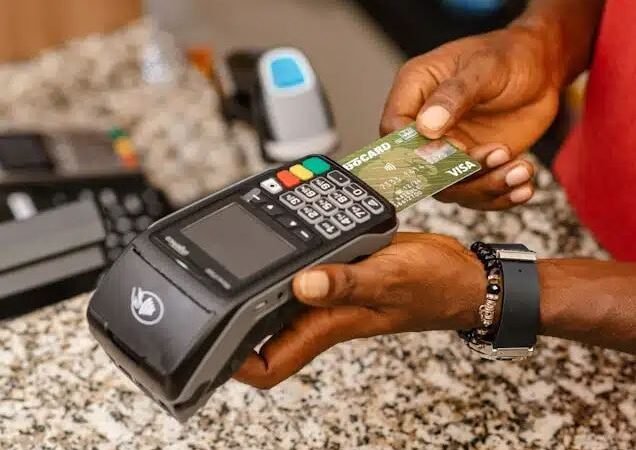
Across sub-Saharan Africa, digital payments are no longer viewed simply as a way to help people access banking services. They are becoming an essential part of how economies function. What started as a solution for the unbanked is now transforming into a wider financial ecosystem that supports trade, entrepreneurship, public services and regional integration.
Over the last decade, mobile money services have changed the financial landscape in ways few people imagined possible. In areas where bank branches were scarce and traditional financial systems struggled to reach ordinary citizens, mobile phones became powerful financial tools. Millions of people who once operated entirely in cash can now send money, receive salaries, pay utility bills and save for the future with just a few taps on a device.
This transition marks a significant turning point. The conversation is no longer only about financial inclusion. It is increasingly about economic infrastructure and how digital payment systems can support long-term development across African economies.
Mobile Money Changed Everyday Life
For many people in sub-Saharan Africa, banking used to involve major obstacles. Rural communities often lacked nearby financial institutions, and opening a traditional bank account could require documentation or fees that many individuals could not meet. As a result, large sections of the population remained outside formal financial systems for decades.
The spread of mobile money services changed that reality dramatically. Mobile network operators and fintech companies introduced payment platforms that allowed people to store and transfer funds using ordinary mobile phones. This innovation reduced the need for physical bank branches and gave people greater control over their finances.
Today, mobile money is deeply woven into daily life in many African countries. Small business owners can receive customer payments instantly. Farmers can sell produce and get paid electronically without traveling long distances. Families separated by borders can send support to relatives quickly and more securely than before.
The rise of digital wallets has also created greater convenience for workers. Employees can receive wages directly on their phones, while governments can distribute social support payments more efficiently. These systems reduce delays, lower administrative costs and minimize some of the risks associated with carrying large amounts of cash.

Expanding Opportunities for Women and Rural Communities
One of the most important outcomes of digital payment growth has been its impact on inclusion for women and underserved populations. In many parts of sub-Saharan Africa, women historically faced greater barriers to traditional banking services due to limited documentation, lower income levels or social restrictions.
Mobile money platforms helped narrow those gaps by offering simpler and more accessible alternatives. Because users only need a mobile device and network coverage, many women who were previously excluded from formal finance gained the ability to participate in the digital economy.
This shift has had ripple effects beyond individual households. Women running market stalls, tailoring businesses or food ventures can now accept digital payments, build transaction histories and manage income more effectively. Financial independence often leads to stronger household stability and increased investment in education and healthcare.
Rural communities have also benefited significantly. Instead of traveling long distances to access banks, residents can perform transactions through local agents or directly on their phones. This accessibility saves time, reduces transportation costs and encourages broader participation in economic activities.
Savings and Financial Planning Are Becoming More Common
Digital payment systems have also encouraged a stronger culture of saving. In the past, many individuals stored cash informally at home, making it vulnerable to theft or emergency spending. Mobile wallets now offer a safer and more structured way to manage money.
People are increasingly using digital platforms to save for school fees, housing projects, healthcare expenses and business investments. Some fintech services even provide automated savings tools that allow users to set aside small amounts regularly.
For younger populations especially, digital finance has become an entry point into long-term financial planning. Access to transaction records and mobile-based financial products can help individuals eventually qualify for credit, insurance or investment opportunities.
This gradual shift from informal cash handling to digital financial management is helping create more resilient households and businesses across the region.
Cross-Border Payments Remain a Major Challenge
Despite impressive progress, sending money across African borders remains expensive and inefficient in many cases. Remittances continue to play a critical role in supporting families and local economies, yet transfer fees are still among the highest globally.
Many workers living abroad send money home regularly, but traditional international transfer systems often involve high charges and lengthy processing times. These costs reduce the amount of money families ultimately receive.
The challenge becomes even more complicated when businesses operate across multiple countries with different currencies and payment regulations. A company may have digital payment systems working effectively within one country but face obstacles when trying to expand regionally.
Improving cross-border interoperability has therefore become one of the biggest priorities for policymakers and fintech innovators alike. Businesses and consumers increasingly expect payment systems that work seamlessly regardless of geography.
Governments Are Becoming More Involved
The future of digital payments in Africa will depend heavily on collaboration between governments, financial institutions and technology companies. Regulators are beginning to recognize that digital finance is not only a private-sector innovation but also a national economic priority.
Several countries are exploring partnerships that allow payment platforms to communicate across borders. When governments cooperate on standards, licensing and compliance frameworks, consumers benefit from smoother transactions and reduced barriers to trade.
These agreements can make international business travel, tourism and regional commerce significantly easier. Instead of relying entirely on cash exchanges or expensive foreign transaction systems, users can pay directly through interoperable digital platforms.
At the same time, governments are under pressure to strengthen cybersecurity protections and data privacy rules. As digital payments expand, maintaining public trust becomes essential. Consumers must feel confident that their financial information is secure and that payment systems are reliable.
Fintech Companies Are Driving Innovation
Sub-Saharan Africa has become one of the world’s most dynamic fintech environments. Startups across the region are building solutions designed specifically for local realities, including limited banking access, multiple currencies and varying internet connectivity.
Many fintech firms are focusing on affordability and speed, offering alternatives to older banking systems that were often slow and expensive. Technologies such as artificial intelligence and blockchain are also beginning to influence payment processing, fraud detection and identity verification.
What makes African fintech innovation especially unique is its practicality. Rather than copying models from Western economies, many companies are creating products based on the daily needs of African consumers and businesses.
This customer-centered approach has helped digital payments spread rapidly among both urban and rural populations.
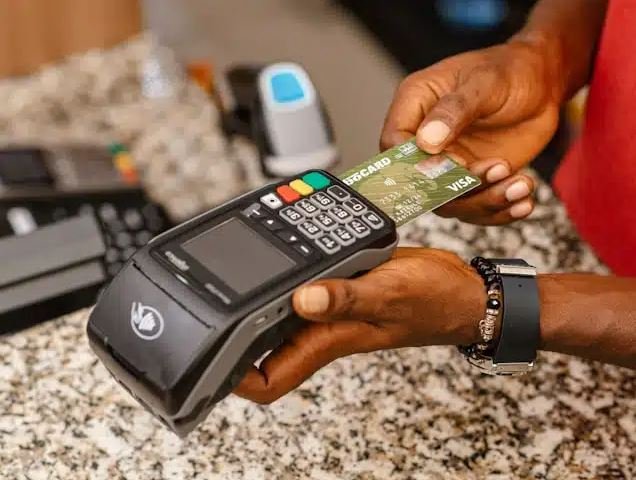
Banks and Startups Are Learning to Work Together
In the early years of fintech growth, many people believed startups would eventually replace traditional banks. Instead, a more collaborative relationship is emerging.
Banks still possess significant advantages, including regulatory expertise, established customer trust and deep financial experience. Fintech startups, however, tend to move faster and adapt more quickly to changing market demands.
Partnerships between the two sectors are becoming increasingly common. Banks are integrating innovative technologies developed by startups, while fintech companies gain access to broader financial networks and institutional support.
This cooperation allows both sides to expand their reach and improve customer experiences. Consumers benefit from faster services, better digital tools and more flexible financial products.
Digital Payments Are Becoming Economic Infrastructure
The evolution of digital finance in sub-Saharan Africa reflects a larger economic transformation. Mobile money is no longer simply about helping individuals open accounts. It is becoming the foundation for commerce, trade and economic participation.
As digital payment systems improve, they can strengthen regional trade, support entrepreneurship and encourage investment across the continent. Small businesses can reach larger markets, governments can collect revenues more efficiently and consumers can participate more fully in modern economies.
Challenges still exist, particularly around regulation, interoperability and cybersecurity. However, the direction of progress is clear. Digital payments are steadily moving beyond financial inclusion and becoming part of the core infrastructure needed for sustainable economic growth.
The next few years could determine how effectively African economies harness this momentum. If governments, banks and fintech companies continue collaborating, sub-Saharan Africa may become one of the world’s leading examples of how digital finance can accelerate development on a massive scale.
Important Highlights
Digital Payments Are Reshaping African Economies
Mobile money is no longer just a banking alternative in sub-Saharan Africa. It is becoming a key driver of commerce, entrepreneurship and everyday economic activity.
Financial Inclusion Has Expanded Rapidly
Millions of previously unbanked people now have access to financial services through mobile phones, especially in rural and underserved communities.
Women Are Benefiting From Mobile Finance
Digital payment systems have helped reduce financial barriers for women, giving many greater control over savings, business income and household finances.
Rural Communities Now Have Better Access
People living far from traditional banks can now send, receive and manage money without traveling long distances or relying heavily on cash.
Saving Money Has Become Easier
Mobile wallets and digital platforms are encouraging more people to save for education, healthcare, retirement and business growth.
Cross-Border Payments Still Need Improvement
Although digital payments are growing quickly, sending money across African borders remains costly and complicated for many consumers and businesses.
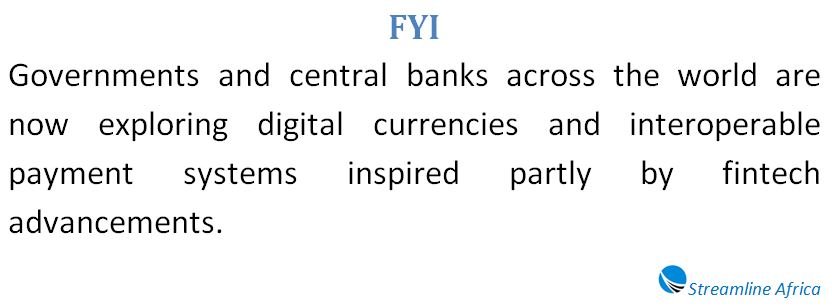
Governments Are Playing a Bigger Role
Regulators and central banks are increasingly supporting digital payment systems through partnerships, policies and infrastructure development.
Fintech Innovation Is Accelerating Across Africa
African fintech startups are creating practical and affordable payment solutions tailored to local needs, helping the region become a global fintech leader.
Collaboration Is Replacing Competition
Banks and fintech companies are beginning to work together more closely, combining experience and innovation to improve financial services for customers.