
Inflation is one of the most influential forces in any economy, quietly shaping how people live, how businesses operate, and how governments plan for the future. When an economy is recovering from a slowdown or recession, inflation can either support that recovery or undermine it, depending on how fast prices rise and how well the situation is managed. Understanding this balance is essential for policymakers, investors, businesses, and households alike.
Inflation refers to the general increase in prices over time, which reduces the purchasing power of money. While rising prices are often viewed negatively, inflation is not inherently harmful. In fact, moderate and well-controlled inflation is often associated with economic expansion, job creation, and stronger consumer confidence. Problems arise when inflation accelerates too quickly or remains elevated for too long.
The Relationship Between Inflation and Everyday Life
Inflation directly affects the cost of living. As prices increase, households need more money to buy the same goods and services they purchased before. Essentials such as food, energy, housing, healthcare, and transportation are usually among the first areas where people feel the impact. When wages fail to keep pace with rising prices, purchasing power declines, and financial stress increases.
For businesses, inflation raises the cost of raw materials, labor, energy, and logistics. Companies may respond by increasing prices, cutting costs, delaying investment, or reducing staff. These decisions influence employment levels and overall economic momentum. In a recovery phase, businesses are often cautious, and unstable inflation can make long-term planning more difficult.
Governments are also affected. Higher inflation can increase tax revenues in nominal terms, but it also raises the cost of public services and debt servicing. Managing inflation is therefore central to economic policy, especially when the goal is to restore growth after a downturn.
Why Moderate Inflation Can Support Recovery
Contrary to popular belief, very low or zero inflation is not always ideal during an economic recovery. Moderate inflation can play a constructive role by encouraging spending and investment. When people expect prices to rise gradually, they are more likely to spend money today rather than postpone purchases. This behavior stimulates demand, which in turn supports business revenues and employment.
From an employment perspective, controlled inflation can allow wages to adjust more flexibly. Employers may be more willing to hire when they expect modest price increases that can help cover rising labor costs. As job opportunities expand, household income improves, further reinforcing consumer spending.
In addition, moderate inflation can ease the real burden of debt. When prices and wages rise over time, the real value of existing debt declines. This dynamic can help households, businesses, and governments manage debt accumulated during economic downturns, making recovery more sustainable.
The Role of GDP in Assessing Economic Progress
Economic recovery is commonly measured using gross domestic product, or GDP. GDP represents the total value of all finished goods and services produced within a country over a specific period. However, raw GDP figures can be misleading if inflation is not taken into account.
To address this, economists adjust GDP for inflation to calculate real GDP. This adjustment shows whether an economy is truly producing more goods and services or whether higher values are simply the result of rising prices. For example, if an economy grows by 5 percent in nominal terms while inflation is running at 2 percent, the real growth rate is closer to 3 percent.
Real GDP is a critical indicator during recovery periods. It helps policymakers determine whether economic activity is genuinely improving and whether growth is strong enough to support employment and income gains. Without adjusting for inflation, growth figures may overstate economic health.
Inflation and the Value of Money
One of the most significant effects of inflation is the gradual erosion of purchasing power. As prices rise, each unit of currency buys fewer goods and services. This decline in value affects savings, wages, and fixed-income investments.
During recovery phases, central banks aim to balance this erosion carefully. If inflation is too low, economic activity may stagnate. If it is too high, confidence in the currency can weaken, and long-term planning becomes difficult. Maintaining stable purchasing power while supporting growth is a delicate task that requires constant monitoring and adjustment.
How Inflation Influences Borrowing and Interest Rates
Borrowing costs are closely tied to inflation. Central banks typically adjust interest rates in response to changes in inflation to either stimulate or cool economic activity. When inflation is low, interest rates are often kept low as well, making borrowing more affordable.
Low interest rates can support recovery by encouraging businesses to invest in new equipment, technology, and expansion. Consumers may also be more willing to take out loans for major purchases such as homes, vehicles, or education. This increase in borrowing can boost demand and accelerate economic growth.
However, low inflation and low interest rates also present challenges. Banks and lenders earn smaller margins when rates are low, which can make them more cautious about lending. If credit availability tightens, the positive effects of low rates may be reduced.
From an investment perspective, predictable inflation allows investors to estimate returns more accurately. Government bonds, corporate debt, and other fixed-income instruments are often influenced by inflation expectations. Stable inflation helps create a clearer financial environment, which supports capital flows and market confidence.
Debate Among Economists on Higher Inflation
Economists do not always agree on the ideal level of inflation during recovery periods. Some argue that higher inflation, sustained over several years, could help resolve large public debt burdens by reducing their real value. Others believe that such an approach risks undermining confidence in the economy and could lead to long-term instability.
Proponents of moderately higher inflation suggest that it could stimulate wage growth and encourage spending, helping economies escape prolonged periods of weak demand. Critics counter that once inflation expectations rise, they can be difficult to control, potentially leading to sharp interest rate increases and economic disruption.
This debate highlights the complexity of inflation management. While theory provides guidance, real-world outcomes depend on many variables, including consumer behavior, global conditions, and policy credibility.
Understanding Inflation Through the Consumer Price Index
Inflation is most commonly measured using the Consumer Price Index, or CPI. The CPI tracks changes in the prices of a representative basket of goods and services typically purchased by households. This basket includes categories such as food, energy, housing, clothing, healthcare, education, transportation, and recreation.
By comparing the cost of this basket over time, statisticians can estimate how much prices have increased or decreased. If the CPI rises by 3 percent over a year, inflation is said to be 3 percent, and the purchasing power of money has declined accordingly.
The CPI plays a crucial role in economic recovery. It influences wage negotiations, pension adjustments, social benefits, and monetary policy decisions. Central banks often use CPI trends as a key reference when setting interest rates and evaluating economic conditions.
Inflation and Different Types of Assets
Inflation affects assets in different ways. Tangible or real assets, such as property and land, often increase in value as prices rise. This makes them attractive as inflation hedges for investors seeking to preserve purchasing power.
In contrast, fixed-income investments such as traditional bonds tend to lose value during periods of rising inflation because their interest payments do not adjust upward. Investors receive the same nominal income, but its real value declines over time.
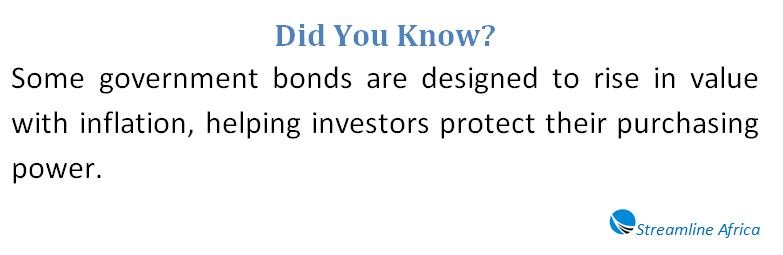
Some financial instruments are designed specifically to protect against inflation. Inflation-linked securities adjust their principal or interest payments based on changes in inflation indices, helping investors maintain real returns even as prices rise.
Key Factors for Sustainable Economic Recovery
For inflation to support recovery rather than hinder it, control is essential. Many economists suggest that inflation in the low single digits can be beneficial, while rates approaching double digits pose significant risks. High inflation can distort price signals, reduce savings, and create uncertainty that discourages investment.
Government debt levels also play a role. When countries carry large debt burdens, inflation can reduce the real value of those obligations. However, this effect comes at a cost, as savers and individuals on fixed incomes experience a loss of purchasing power.
Policymakers must therefore balance competing interests. Supporting growth, maintaining price stability, protecting vulnerable populations, and preserving financial confidence are all interconnected goals that influence recovery outcomes.
Conclusion
Inflation is a powerful force that shapes economic recovery in complex and sometimes contradictory ways. Moderate, well-managed inflation can lower borrowing costs, encourage spending, support employment, and ease debt burdens. At the same time, excessive inflation undermines stability, erodes purchasing power, and complicates long-term planning.
Adjusting economic indicators such as GDP for inflation provides a clearer picture of real progress, while tools like the Consumer Price Index help track changes in the cost of living. Ultimately, successful recovery depends not on eliminating inflation entirely, but on managing it carefully so that growth, stability, and confidence can move forward together.
Frequently Asked Questions
What Is Inflation and Why Does It Matter During Economic Recovery?
Inflation refers to the general rise in prices over time, which reduces the purchasing power of money. During economic recovery, it matters because it influences how much people spend, how businesses invest, and how confident everyone feels about the future.
Can Inflation Ever Be Good for the Economy?
Yes, when inflation is moderate and well-controlled, it can support recovery. It encourages consumers to spend rather than delay purchases, helps businesses grow revenues, and can contribute to higher employment levels.

How Does Inflation Affect the Cost of Living for Households?
As inflation rises, everyday essentials such as food, housing, energy, and healthcare become more expensive. If wages do not increase at a similar pace, households may struggle to maintain their standard of living.
Why Is GDP Adjusted for Inflation?
GDP is adjusted for inflation to show real economic growth rather than growth caused only by higher prices. This adjustment helps policymakers and analysts understand whether an economy is truly producing more goods and services.
What Role Do Interest Rates Play in Inflation and Recovery?
Interest rates are often kept low when inflation is low to encourage borrowing and investment. Affordable credit can help businesses expand and consumers make large purchases, supporting economic recovery.
How Does Inflation Influence Borrowing and Lending?
Low inflation usually leads to lower borrowing costs, which can stimulate economic activity. However, very low rates may also make lenders more cautious, reducing the availability of credit.
What Is the Consumer Price Index and Why Is It Important?
The Consumer Price Index tracks changes in the prices of a basket of everyday goods and services. It is important because it measures inflation and influences decisions on wages, pensions, benefits, and monetary policy.
How Does Inflation Affect Savings and Investments?
Inflation reduces the real value of savings and fixed-income investments over time. While real assets like property may rise in value, traditional bonds can lose purchasing power unless they are inflation-protected.
What Happens If Inflation Becomes Too High?
When inflation rises too quickly, it creates uncertainty, weakens purchasing power, and can destabilize the economy. High inflation often forces central banks to raise interest rates, which can slow growth and harm recovery.