

From an investment advisory standpoint, the emergence of value-added agribusinesses across West Africa signals a structural shift worth close attention. In our assessment, one particularly illustrative case is that of Ama Kyeremeh, a Ghanaian entrepreneur who built a dried fruit enterprise from modest beginnings into a scalable export-oriented operation.
What makes this story compelling is not merely its outcome, but the disciplined progression from informal trading to industrial processing. It reflects the type of long-horizon opportunity that requires patience, iterative capital deployment, and a strong alignment between founder vision and market dynamics.
For investors, such ventures sit at the intersection of agriculture, manufacturing, and consumer goods—three sectors with increasing relevance in Africa’s economic transformation.
Early-Stage Formation: Testing the Market with Minimal Capital
At inception, Ama’s venture operated as a trading and branding entity rather than a manufacturing business. Without access to processing infrastructure, she sourced semi-processed dried fruits from regional partners in Togo and repackaged them under a local brand.
From our perspective, this approach demonstrated prudent capital allocation. Rather than committing significant upfront investment into fixed assets, she validated demand through low-cost market entry. Her apartment functioned as both a packaging hub and administrative office, while a lean team executed sales and logistics.
This phase is critical in venture development. It allowed the founder to test product-market fit, understand consumer preferences, and refine pricing strategies without overexposure to operational risk.
Retail Penetration: Overcoming Market Skepticism
One of the earliest challenges the business faced was gaining acceptance within formal retail channels. At the time, dried fruit snacks were not widely recognized in Ghana’s consumer landscape. Retail buyers were hesitant, citing uncertain demand and limited consumer awareness.
Our analysis highlights the founder’s persistence in overcoming these barriers. Through repeated engagement with supermarket procurement teams, product sampling, and direct consumer interaction, the company gradually secured shelf space.
This milestone, while seemingly incremental, marked a transition from informal distribution to structured retail participation. It also validated the product category within a growing modern retail ecosystem.
Importantly, the founder leveraged customer feedback to expand her product line—introducing mixed snack packs and coconut-based offerings. This responsiveness to market signals is a key indicator of adaptive leadership, a trait we prioritize when evaluating early-stage ventures.
Capital Constraints and Iterative Fundraising
A defining feature of this journey is the prolonged period of constrained access to capital. Traditional financing avenues proved difficult, and institutional investors initially showed limited interest.
From an advisory perspective, the founder’s response was instructive. Instead of pursuing large, dilutive funding rounds prematurely, she adopted a phased fundraising strategy. Smaller capital injections—often below six figures—were secured and deployed toward specific growth initiatives such as product development and market expansion.
Over time, the business refined its investment narrative. The founder reportedly developed over a hundred investor presentations, each iteration improving clarity around the value proposition, scalability, and risk mitigation strategies.
This iterative process is often underestimated. In our experience, the ability to continuously refine a pitch and align it with investor expectations significantly increases the likelihood of securing meaningful capital.
Inflection Point: Securing Institutional Investment
After several years of incremental growth, the business reached a critical inflection point. An investment consortium, having monitored the company’s progress, committed substantial funding to support expansion.
From our standpoint, this decision reflects a common investment pattern: capital follows demonstrated resilience and execution capability. By the time institutional investors engaged, the business had already de-risked several key variables—market acceptance, distribution channels, and product viability.
The funding enabled the transition from a trading model to a vertically integrated manufacturing operation. This shift is particularly significant, as it allows the company to capture greater value across the supply chain while improving margins and quality control.
Industrialization: Building Processing Capacity
The establishment of a modern processing facility in northern Ghana marked a major strategic advancement. For investors, this phase represents both opportunity and complexity.
On one hand, owning production infrastructure enhances scalability and positions the company for export competitiveness. On the other hand, it introduces operational risks, including supply chain management, quality assurance, and regulatory compliance.
In this case, the facility was designed to meet international standards, enabling access to premium markets. However, the transition also exposed a critical bottleneck: sourcing consistent, high-quality raw materials.
Supply Chain Development: From Fragmentation to Coordination
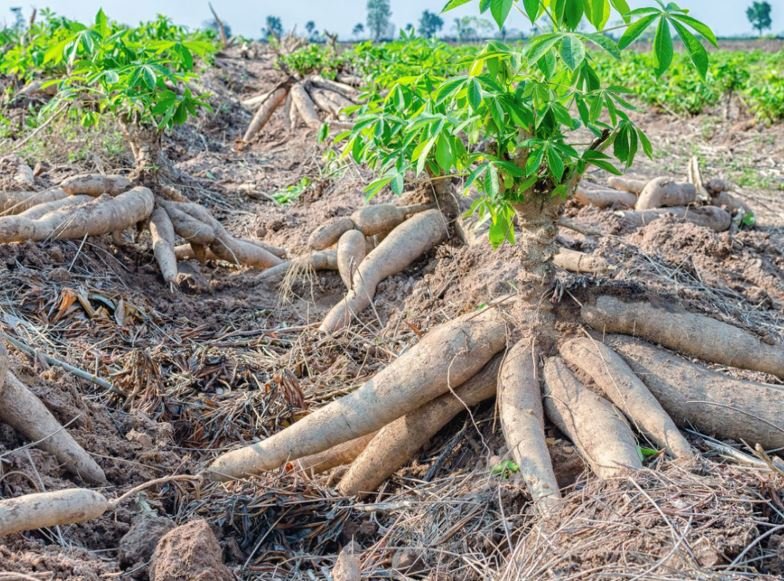
Despite widespread fruit production across rural Ghana, the supply chain remained fragmented. Smallholder farmers often lacked the capacity to meet industrial quality and volume requirements.
To address this, the company implemented a hybrid sourcing strategy. Aggregators were engaged to consolidate produce, while direct relationships with farmers were established to ensure quality control.
Field teams were deployed to oversee harvesting practices, provide technical guidance, and coordinate logistics. While this approach increased operational complexity, it significantly improved supply reliability.
From an investment perspective, this is a pivotal development. Strong supply chain integration not only ensures product consistency but also creates barriers to entry for potential competitors.
Export Strategy: Hedging Against Domestic Volatility
As the business scaled, macroeconomic factors became increasingly relevant. Currency depreciation and inflation posed risks to domestic profitability, particularly in a price-sensitive consumer market.
In response, the company pursued an export-oriented growth strategy. By entering European and North American markets, it diversified its revenue base and accessed higher-margin segments.
Additionally, the business expanded into bulk supply for industrial clients, complementing its branded retail products. This dual-channel approach enhanced revenue stability and reduced dependence on any single market.
For investors, such diversification is a key indicator of resilience. It demonstrates the company’s ability to navigate economic fluctuations while maintaining growth momentum.
Macroeconomic Context: Why This Model Matters
From a broader perspective, this case aligns with emerging trends in global manufacturing and supply chains. Rising production costs in traditional export hubs, coupled with increasing logistics expenses, are creating opportunities for localized processing in Africa.
By converting raw agricultural products into finished goods domestically, companies can capture more value and reduce reliance on imports. This shift not only benefits individual businesses but also contributes to broader economic development.
In our view, ventures like this represent a new wave of African industrialization—one that is driven by entrepreneurship, supported by strategic investment, and anchored in local resource utilization.
Key Investment Insights
Several insights emerge from this case that are relevant for both investors and founders.
Persistence remains a critical success factor. The extended timeline to secure institutional funding underscores the importance of endurance in venture building.
Capital efficiency in early stages can significantly reduce risk. By validating the market before investing in infrastructure, the founder preserved resources and increased investor confidence.
Market education is often necessary when introducing new product categories. Direct consumer engagement played a crucial role in driving adoption.
Supply chain integration is as important as product innovation. Ensuring consistent input quality required substantial investment in farmer relationships and operational oversight.
Export diversification provides a hedge against domestic economic instability. Access to foreign currency revenues enhances financial resilience.
Strategic Outlook: Scaling with Discipline
Looking ahead, the company is well-positioned to expand its footprint both regionally and internationally. However, sustained success will depend on disciplined execution.
Key priorities include optimizing production efficiency, strengthening supplier networks, and maintaining compliance with international standards. Additionally, continued investment in brand development will be essential to differentiate the company in competitive global markets.
From an advisory standpoint, we also see potential for adjacent opportunities. These may include expanding into other value-added agricultural products, leveraging existing distribution networks, and exploring strategic partnerships.
Conclusion: A Case Study in Patient Capital
In conclusion, this journey exemplifies the type of opportunity that rewards patient, well-structured investment. It is a story of gradual evolution—from a small trading operation to an integrated manufacturing enterprise with global reach.
For investors, it reinforces the importance of aligning with founders who demonstrate resilience, adaptability, and a clear long-term vision. For policymakers, it highlights the potential of agribusiness as a driver of industrial growth and employment.
Ultimately, the central lesson is clear: meaningful value creation in emerging markets often requires time, persistence, and a willingness to navigate complexity. Those who embrace this reality are best positioned to unlock the significant opportunities that lie ahead.
Key Takeaways
Persistence Is a Strategic Advantage
Long-term success in emerging markets often depends more on resilience than speed, especially when funding and traction take time.
Start Lean Before Scaling Big
Testing the market through trading and repackaging helped reduce early risk and validate demand before heavy investment.
Market Education Drives Adoption
Introducing a new product category required direct consumer engagement, sampling, and continuous feedback.
Retail Access Builds Credibility
Getting into formal supermarkets was a turning point that elevated brand visibility and consumer trust.
Incremental Funding Can Fuel Growth
Small, targeted funding rounds allowed steady expansion without overexposing the business to financial pressure.
Strong Supply Chains Are Non-Negotiable
Reliable sourcing and farmer relationships became just as critical as the final product itself.
Vertical Integration Unlocks Value
Owning production infrastructure increased margins, quality control, and long-term scalability.
Export Markets Strengthen Resilience
Earning foreign revenue helped protect the business from local currency volatility and inflation.
Vision Beyond Profit Matters
Building local processing capacity contributes to job creation, reduced waste, and broader economic development.