

Price discrimination, often referred to as price differentiation, is a business strategy where a seller charges varying prices for the same product or service to different customers. These price differences are not random; they are carefully structured based on factors such as customer demand, purchasing ability, or market conditions. Rather than applying a uniform price, businesses aim to match what each customer segment is willing to pay.
This approach allows companies to capture more value from the market. Instead of losing potential buyers who may find a single price too high, or undercharging those willing to pay more, firms adjust prices to suit different groups. In essence, it is a way of balancing affordability and profitability across a diverse customer base.
Why Businesses Use Price Differentiation
The main objective behind this pricing strategy is to maximize revenue. By tailoring prices to different groups, businesses can extract more value from customers without necessarily increasing production costs. When done correctly, this method improves overall efficiency in the market and reduces wasted opportunities.
For example, if a product were sold at a single high price, some customers might be excluded entirely. On the other hand, if it were sold too cheaply, the company would miss out on potential profit. Price differentiation helps strike a middle ground, ensuring that more people can access the product while the business still earns optimal returns.
The Mechanics Behind Price Differentiation
To apply this strategy effectively, companies must first identify distinct groups of customers. These groups typically differ in how sensitive they are to price changes. Some customers are willing to pay more due to urgency, preference, or necessity, while others are more price-conscious and will only purchase if the cost is lower.
Businesses rely on data, observation, and sometimes advanced analytics to understand these differences. Once identified, they adjust prices accordingly. The success of this approach depends heavily on how accurately a company can separate its market into segments and prevent customers from exploiting price gaps.
Another key factor is demand elasticity. Customers who are less sensitive to price changes are often charged more, while those who are highly sensitive receive lower prices. This balance ensures that each segment is priced appropriately without driving customers away.
Conditions Required for Price Differentiation to Work
For this strategy to be successful, certain conditions must be met. First, the company must have some level of control over pricing, meaning it cannot operate in a perfectly competitive market where prices are fixed by supply and demand alone.
Second, the business must be able to distinguish between different customer groups. Without clear segmentation, it becomes difficult to assign varying prices effectively.
Third, there must be a way to prevent resale between groups. If customers who purchase at lower prices can easily resell to those facing higher prices, the entire system breaks down. This is why companies often rely on restrictions such as time limits, usage conditions, or identity verification.
Categories of Price Differentiation
Price discrimination is commonly divided into three main forms, each representing a different level of complexity and customization.
Personalized Pricing
This is the most advanced form, where a company charges each customer the highest price they are willing to pay. It requires detailed knowledge of individual preferences and purchasing behavior. Service-based industries often use this approach, where pricing can be adjusted based on negotiations, customer profiles, or perceived value.
In this scenario, the business captures nearly all the value that customers place on the product. However, implementing it can be challenging due to the level of information required.
Quantity-Based Pricing
In this model, the price changes depending on how much a customer buys. Larger purchases typically come with discounts, encouraging customers to buy more. This is commonly seen in wholesale markets or retail promotions where buying in bulk reduces the per-unit cost.
This method benefits both the seller and the buyer. The business increases sales volume, while customers enjoy lower prices when purchasing larger quantities.
Group-Based Pricing
This is the most widely used form of price differentiation. Different groups of people are charged different prices for the same product. These groups can be defined by age, occupation, location, or other identifiable characteristics.
Examples include discounted tickets for students, reduced fares for senior citizens, or special pricing for members of certain organizations. This approach is straightforward and widely accepted in many industries.
Real-World Applications Across Industries
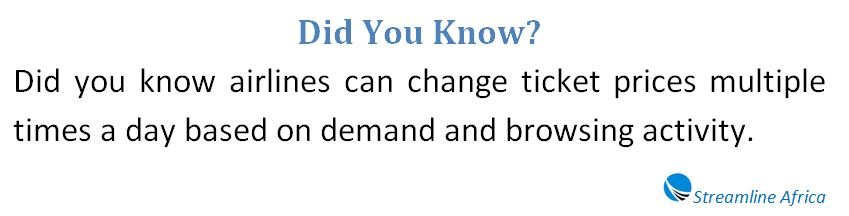
Price differentiation is present in many sectors, often in ways that consumers may not immediately notice. The airline industry provides a clear example. Ticket prices can vary significantly depending on when a booking is made, the level of demand, and even the day of travel.
Passengers who book early often pay less, while those purchasing tickets at the last minute may face higher prices. Similarly, flights during peak travel times tend to be more expensive than those during off-peak periods. Additional features, such as extra legroom, also come at a premium.
Retail businesses frequently use coupons, seasonal discounts, and loyalty programs to segment their customers. Pharmaceutical companies may price medications differently across countries based on income levels and healthcare systems.
Entertainment venues, such as cinemas, often charge varying ticket prices depending on age groups or showtimes. These differences allow businesses to attract a wider audience while maintaining profitability.
The Role of Technology in Modern Pricing Strategies
Advancements in technology have significantly enhanced the ability of businesses to implement price differentiation. With the rise of artificial intelligence and big data, companies can now analyze customer behavior in greater detail than ever before.
Algorithms can track browsing habits, purchase history, and even time spent viewing a product. This information helps businesses estimate how much a customer is willing to pay and adjust prices in real time. As a result, pricing has become more dynamic and responsive to individual behavior.
Behavioral science also plays a role, as companies design pricing strategies that influence customer decisions. Subtle changes in presentation, timing, or perceived value can impact how much a customer is willing to spend.
Legal and Ethical Considerations
Despite its name, price discrimination is not inherently illegal. In most cases, it is a legitimate business practice as long as it does not violate specific laws or lead to unfair competition. The term simply refers to differences in pricing, not unfair treatment based on prohibited factors such as race or religion.
However, ethical concerns can arise if customers feel they are being treated unfairly or manipulated. Transparency and fairness are important in maintaining customer trust. Businesses must strike a balance between maximizing profits and maintaining a positive reputation.
Impact on Consumers and Markets
The effects of price differentiation on consumers can be mixed. On one hand, it allows more people to access products and services at prices they can afford. Without such strategies, some customers might be completely excluded from the market.
On the other hand, some individuals may end up paying more than others for the same product. This can create a perception of inequality, especially if the pricing differences are not clearly understood.
From a broader perspective, price differentiation can improve market efficiency. By aligning prices with customer willingness to pay, businesses can reduce waste and better match supply with demand.
Challenges and Limitations
While price differentiation offers many benefits, it is not without challenges. Accurately identifying customer segments can be difficult, especially in rapidly changing markets. Misjudging demand or pricing too aggressively can lead to lost sales or customer dissatisfaction.
Another limitation is the risk of arbitrage, where customers exploit price differences by purchasing at lower prices and reselling at higher ones. Companies must implement measures to prevent this from happening.
Additionally, as consumers become more aware of pricing strategies, they may actively seek ways to avoid higher prices, such as using comparison tools or waiting for discounts.
Final Thoughts
Price differentiation is a powerful tool that allows businesses to adapt to diverse customer needs while maximizing revenue. By understanding how different groups respond to pricing, companies can create flexible strategies that benefit both themselves and their customers.
Although it may sometimes appear unfair on the surface, this approach often makes products more accessible and markets more efficient. As technology continues to evolve, pricing strategies will likely become even more personalized, shaping the way consumers interact with businesses in the future.
FAQs about Price Discrimination
What does price differentiation really mean in everyday terms?
Price differentiation simply means a business charges different people different prices for the same product or service. It reflects how much each customer values the product and what they are willing or able to pay.
Why do companies use different prices for the same product?
Businesses use this strategy to increase revenue while reaching a wider audience. By adjusting prices, they can attract budget-conscious buyers and still earn more from customers willing to pay a premium.
How do businesses decide who pays more or less?
Companies analyze customer behavior, demand patterns, and sensitivity to price. They often rely on data such as purchase history, timing, or customer category to determine the most suitable price for each group.
What are the main types of price differentiation?
There are three key types: personalized pricing where each customer pays a unique price, quantity-based pricing where buying more reduces the cost per unit, and group-based pricing where certain categories like students or seniors get discounts.
Is charging different prices to different people unfair or illegal?
Not necessarily. It is generally legal as long as it does not discriminate based on protected characteristics like race or religion. However, fairness depends on how transparent and reasonable the pricing feels to customers.
How does price differentiation affect customers?
It can be beneficial because it allows more people to afford products at lower prices. However, some customers may end up paying more, which can create mixed feelings about fairness.
What role does technology play in modern pricing strategies?
Technology, especially data analytics and artificial intelligence, helps businesses predict how much customers are willing to pay. This allows companies to adjust prices quickly and make pricing more precise and personalized.