
Many entrepreneurs assume that profitability and steady revenue are enough to secure funding or favorable supplier terms. In reality, lenders and vendors look beyond income statements. They want evidence of reliability, and that is where business credit comes into play. Business credit acts as a financial reputation system, helping external parties determine how trustworthy your company is when it comes to meeting its obligations.
At its core, business credit reflects how consistently a company honors its financial commitments. It influences whether your business qualifies for loans, the kind of repayment terms you receive, and how suppliers choose to work with you. Without an established credit profile, even a thriving business may face restrictions when trying to scale or manage short-term cash flow challenges.
What Business Credit Really Represents
Business credit is essentially a record of how your company handles borrowed funds and deferred payments. It tracks your behavior with suppliers, lenders, and service providers, showing whether you pay invoices promptly, early, or late.
Unlike personal credit, which is tied to an individual’s identity, business credit is linked to your company as a separate entity. This distinction allows your business to build its own financial identity independent of your personal finances. Over time, this separation becomes valuable, especially when seeking financing without relying heavily on personal guarantees.
A well-developed credit profile can unlock multiple advantages. It improves your chances of securing loans with better interest rates, enables access to supplier credit arrangements, and strengthens your company’s credibility in the eyes of partners and investors. However, unlike personal credit, it does not develop automatically. It requires deliberate actions and consistent financial discipline.
How Business Credit Scoring Systems Operate
Business credit scoring is not standardized across the board. Different reporting agencies evaluate your company using their own models, meaning your scores can vary depending on who is reviewing them.
These agencies collect financial data from vendors, lenders, and public records, then apply their own formulas to assess risk. While each system differs, they all aim to answer one key question: how likely is your business to repay its obligations?
Because data reporting is not universal, some transactions may appear on one report but not another. This makes it essential for business owners to understand how each system works and to monitor their credit across multiple platforms.
Key Agencies That Track Business Credit
Several major organizations dominate business credit reporting, each offering unique insights into your financial behavior.
One widely recognized agency is Dun & Bradstreet, known for its PAYDEX score. This score focuses entirely on payment behavior, measuring how quickly a business pays its bills. Companies that consistently pay early tend to receive higher scores, while delayed payments can significantly lower ratings.
Another important player is Experian, which uses a more complex model incorporating various factors such as credit usage, company size, and historical data. Its scoring system evaluates overall risk rather than focusing solely on payment timing.
Similarly, Equifax provides multiple scoring models, including risk assessments and payment indexes. These scores help predict both payment reliability and the likelihood of business failure.
Because each agency gathers data independently, your business may appear stronger in one report and weaker in another. This variation highlights the importance of maintaining consistent financial habits across all accounts.
Factors That Shape Your Business Credit Score
Although scoring models differ, several core elements consistently influence how your business is evaluated.
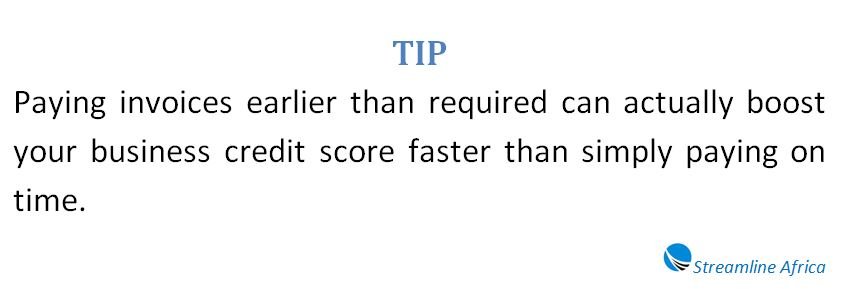
Payment history stands out as the most critical factor. Paying invoices on time—or earlier than required—signals reliability and reduces perceived risk. Even a single late payment can negatively impact your profile.
Credit utilization is another important consideration. This refers to how much of your available credit you are using at any given time. High utilization can suggest financial strain, while lower usage indicates better control over finances.
The length of your credit history also plays a role. Businesses with a longer track record of responsible borrowing tend to earn greater trust from lenders and suppliers.
Additionally, industry risk and company size may affect your score. Certain industries are considered riskier than others, which can influence how credit agencies assess your business.
Public records, such as legal judgments or bankruptcies, can have a severe and lasting impact. These entries signal potential instability and may remain on your report for years.
Steps to Establish and Build Business Credit
Creating a strong business credit profile requires intentional effort. The process is straightforward but demands consistency and attention to detail.
Setting Up a Distinct Business Identity
The first step is to ensure your business exists as a separate, recognizable entity. Registering your company as a corporation or limited liability company helps distinguish it from your personal finances. This separation is essential for building an independent credit profile.
Obtaining an Employer Identification Number (EIN) is also crucial. This number functions like a business equivalent of a personal identification number and is required for tax purposes and credit tracking.
Establishing a professional presence—such as a dedicated business address and phone number—further strengthens your credibility and makes it easier for credit agencies to verify your company.
Securing a Business Identification Number
To be recognized within certain credit systems, your business needs a unique identifier. For example, a D-U-N-S Number, issued by Dun & Bradstreet, serves as a key reference point for tracking your credit activity.
This number is often required when applying for contracts, grants, or financing. It also allows your payment history to be recorded and evaluated within the agency’s system.
Opening Trade Accounts With Reporting Vendors
Trade lines are one of the most effective ways to start building business credit. These are accounts with suppliers who extend payment terms, allowing you to purchase goods or services and pay later.
However, not all vendors report payment activity to credit bureaus. It is important to work with those who do, as only reported transactions contribute to your credit profile.
Starting with vendors that offer short-term payment terms can help establish a positive track record quickly, provided payments are made consistently and on time.

Using a Business Credit Card Responsibly
A business credit card adds another layer to your credit history by introducing revolving credit. It provides flexibility in managing expenses while also contributing to your overall credit profile.
For new businesses, secured credit cards may be the easiest option. These require a deposit but function like traditional cards for credit-building purposes.
Maintaining low balances and paying off charges in full each month demonstrates responsible usage and strengthens your credit standing over time.
Maintaining Consistent Payment Behavior
Consistency is the foundation of strong business credit. Paying obligations on time—or earlier—has the most significant positive impact on your profile.
Automating payments or setting reminders can help ensure deadlines are never missed. Even minor delays can create negative marks that take time to overcome.
Common Pitfalls That Can Delay Progress
While building business credit is not overly complex, certain mistakes can slow down your progress or even reverse it.
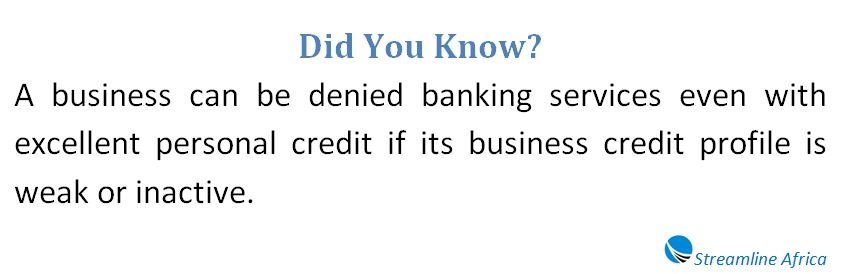
Relying solely on personal credit for business expenses is a common issue. When all transactions flow through personal accounts, your business fails to generate its own credit history, leaving its profile effectively blank.
Another frequent oversight is failing to confirm whether vendors report payment data. Without reporting, even perfect payment behavior does not contribute to your credit score.
Applying for multiple credit accounts within a short period can also raise concerns. It may signal financial instability and reduce your chances of approval.
Neglecting to review your credit reports is another risk. Errors or outdated information can harm your score, and without regular monitoring, these issues may go unnoticed.
How Long It Takes to Build Business Credit
Establishing business credit is not an overnight process. While initial steps can be completed quickly, building a strong and reliable profile takes time.
Most businesses can create a basic credit presence within a few months by opening trade lines and making consistent payments. However, developing a well-rounded profile that reflects stability and trustworthiness typically requires a year or more.
The key factor is consistency. Credit agencies look for patterns of responsible behavior rather than isolated actions. Regular, on-time payments over an extended period carry far more weight than short bursts of activity.
Why Investing in Business Credit Pays Off
Building business credit requires effort, but the long-term benefits make it worthwhile. A strong credit profile improves access to financing, enhances supplier relationships, and reduces reliance on personal guarantees.
It also positions your business for growth by providing greater flexibility in managing cash flow. With access to better payment terms and financing options, you can invest in expansion opportunities without unnecessary financial strain.
Ultimately, business credit serves as a foundation for financial stability and credibility. By taking deliberate steps and maintaining disciplined financial habits, you create a system that supports your company’s long-term success and resilience.
Important Takeaways
Business Credit Is Your Company’s Financial Reputation
Business credit reflects how reliably your company pays its obligations, shaping how lenders, suppliers, and partners perceive your risk level.
Profitability Alone Doesn’t Guarantee Access to Funding
Even if your business is doing well financially, a weak or nonexistent credit profile can limit your ability to secure loans or flexible payment terms.
It Operates Separately From Personal Credit
Business credit is tied to your company’s identity, not your personal profile, allowing you to gradually reduce reliance on personal guarantees.
Strong Credit Unlocks Better Financial Opportunities
A solid credit profile can lead to lower interest rates, higher credit limits, and more favorable supplier agreements.
Payment Behavior Has the Biggest Impact
Consistently paying bills on time—or early—is the most powerful way to strengthen your business credit score across all reporting systems.
Not All Vendors Help You Build Credit
Only vendors that report payment activity to credit bureaus contribute to your credit profile, making it important to choose partners wisely.
Building Credit Requires Intentional Action
Unlike personal credit, business credit doesn’t develop automatically—you must actively open accounts, establish trade lines, and manage them responsibly.
Monitoring Your Credit Prevents Hidden Setbacks
Errors in business credit reports are common, and regularly reviewing them helps you catch and fix issues before they affect your score.
Consistency Over Time Is What Builds Strength
A strong business credit profile is built through steady, responsible behavior over months and years—not quick fixes or shortcuts.