

It can feel confusing when your business appears healthy on the surface, customers are buying, revenue is consistent, and operations seem smooth, yet the profits don’t reflect that effort. In many cases, the issue isn’t a dramatic financial mistake but a collection of small inefficiencies that quietly chip away at your margins. These subtle gaps often go unnoticed because they are spread across different parts of the business. The key to fixing the problem lies in identifying these weak points and tightening control over them.
Get Clear on What It Really Costs You to Operate
One of the most common reasons businesses struggle with profitability is an incomplete understanding of their true expenses. Many owners calculate prices based only on obvious costs like materials or direct labour, while overlooking indirect expenses that are just as important.
To gain clarity, you need to examine every cost involved in delivering your product or service. This includes overheads such as rent, utilities, logistics, packaging, software tools, and even minor losses from damaged goods or returns. Supplier price fluctuations can also quietly affect your margins if not reviewed regularly.
A practical way to approach this is to take a single product or service and break down every cost attached to it. Once you have a full picture, compare that figure with your selling price. This exercise often reveals whether your pricing is sustainable or needs adjustment.

Rethink How You Use Discounts and Pricing Strategies
Discounting can be a useful sales tactic, but when it becomes frequent or loosely managed, it starts to erode profitability. Many businesses offer price reductions without fully understanding how much margin they are sacrificing in the process.
Instead of applying discounts casually, it’s important to track when and why they are given. This helps you see patterns and determine whether they are actually driving enough additional sales to justify the reduced margins. Creating simple guidelines for discount approvals can prevent unnecessary losses.
Reviewing past invoices can also be eye-opening. By calculating how much profit was lost through discounts over a specific period, you can better evaluate whether alternative strategies such as product bundles or customer loyalty incentives might achieve better results without cutting deeply into profits.
Identify and Fix Inefficiencies in Daily Operations
Operational inefficiencies often hide in routine activities. Tasks that take longer than necessary, repeated errors, or poorly structured workflows can all increase costs over time. While each issue may seem minor on its own, together they can significantly impact your bottom line.
Start by observing how long key processes take, whether it’s fulfilling orders, delivering services, or handling customer requests. Delays, rework, and inconsistencies are usually signs that something can be improved. Standardising procedures and ensuring staff are properly trained can help create smoother and faster operations.
Even small improvements, such as reducing manual steps or introducing simple automation tools, can lead to meaningful cost savings. Choosing one recurring task and refining it is often enough to begin seeing measurable results.
Take Control of Inventory and Reduce Waste
For businesses that deal with physical products, inventory management plays a crucial role in profitability. Holding too much stock ties up cash, while slow-moving or expired items can lead to losses that are easy to overlook.
Regular stock reviews help you identify items that are no longer selling or are approaching the end of their useful life. Acting quickly, whether by discounting, bundling, or discontinuing those items, can help recover some of the value instead of letting it go to waste.
Improving how you forecast demand is another important step. When your ordering aligns more closely with actual sales patterns, you reduce the risk of overstocking or running out of key items. Simple systems like rotating stock properly can also minimise losses and improve efficiency.
Prevent Scope Creep from Eating Into Service Profits
If your business provides services, one of the biggest hidden threats to your margins is scope creep. This happens when additional work is done beyond what was originally agreed upon, without adjusting the price. Over time, these extra efforts reduce the profitability of your projects and put pressure on your team.
The best way to avoid this is by setting clear expectations from the beginning. Every proposal or agreement should outline exactly what is included, along with defined deliverables. Tracking the time spent on each project also helps you understand whether the work stays within scope.
When clients request additional tasks, having a structured process to handle changes ensures that extra work is properly valued and billed. Looking back at completed projects can reveal how often you’ve gone beyond the agreed scope and how much it has cost your business. This insight can guide you in refining future agreements.
Build a Habit of Continuous Monitoring
Improving profit margins is not a one-time fix but an ongoing process. Businesses evolve, costs change, and market conditions shift, so regular monitoring is essential. By consistently reviewing your operations, pricing, and expenses, you can catch issues early before they grow into bigger problems.
It helps to focus on one area at a time rather than trying to overhaul everything at once. Small, consistent improvements are easier to implement and tend to deliver more sustainable results. Over time, these incremental changes add up and create a stronger, more efficient business.
Creating a More Profitable and Resilient Business
Protecting your profit margin is about more than just reducing expenses. It’s about understanding how every part of your business contributes to your overall performance. When you gain visibility into your costs, refine your pricing approach, eliminate inefficiencies, manage resources wisely, and maintain clear boundaries with clients, you create a solid foundation for profitability.
By taking a proactive approach and addressing these hidden leaks, you position your business to not only survive but grow with confidence. The goal is not to cut corners or compromise quality, but to ensure that the effort you invest in your business translates into the financial results you deserve.
Key Points to Note
Small Leaks Can Quietly Drain Profits
Even when sales look healthy, minor inefficiencies across different areas of the business can gradually reduce your overall profit without being immediately obvious.
Knowing Your True Costs Is Essential
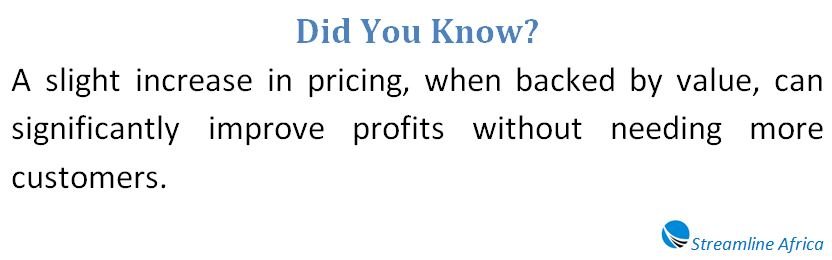
Understanding every expense, including hidden and indirect costs, helps you price accurately and avoid unknowingly undercharging.
Pricing Should Reflect Value and Reality
Your pricing strategy must evolve with your costs and market value, ensuring that you’re not leaving money on the table.
Discounts Need Clear Control
Frequent or unmonitored discounts can significantly reduce margins, so they should always be tracked and strategically applied.
Inefficiencies Add Up Over Time
Slow processes, repeated errors, and wasted effort may seem small individually but can collectively impact profitability in a big way.
Streamlining Operations Boosts Margins
Improving workflows, training staff, and using simple automation can reduce unnecessary costs and increase efficiency.
Inventory Mismanagement Leads to Losses
Excess stock, expired goods, or slow-moving items tie up cash and quietly reduce your profit potential.
Scope Creep Reduces Service Profitability
Doing extra work without charging for it can strain resources and lower the profitability of service-based businesses.
Consistent Monitoring Drives Long-Term Success
Regularly reviewing costs, processes, and performance helps you identify issues early and maintain strong profit margins over time.