
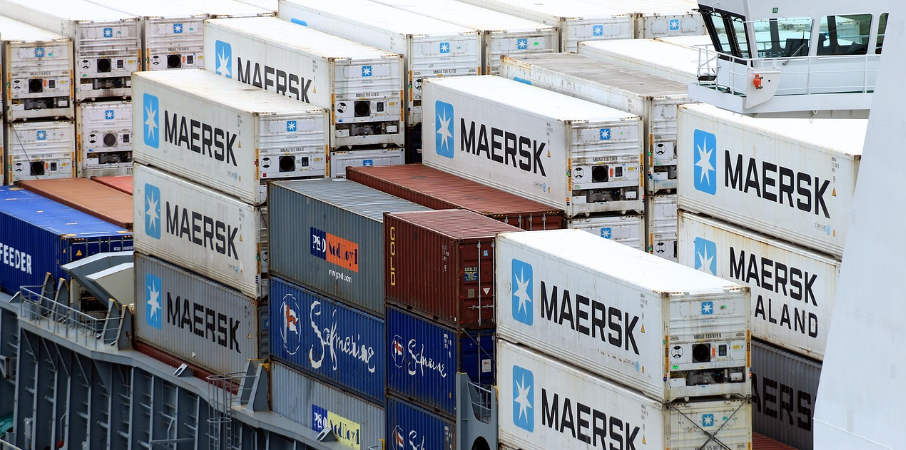
International cargo can reach port before its paperwork does. When that happens, importers may face storage fees, missed delivery windows, and frustrated customers. A telex release offers a practical way to avoid that problem by allowing a carrier to release cargo without requiring the consignee to present the physical original bill of lading at the destination.
The process is commonly used when the shipper has already surrendered the original bill of lading to the carrier or its agent at another location. Once the carrier confirms that the document has been surrendered and all required charges have been settled, it can issue electronic release instructions to its office or agent at the discharge port. The consignee can then collect the cargo according to the carrier’s procedures.
How the Telex Release Process Works
Consider a furniture exporter in Izmir sending a container of dining tables to an importer in Mombasa. The exporter receives the original bill of lading from the shipping line after the vessel departs. Instead of couriering the original document to Kenya, the exporter returns the original bill to the carrier’s office in Turkey and asks for a telex release.
After confirming surrender of the original bill, the shipping line sends electronic instructions to its Mombasa agent authorizing cargo release to the named consignee. The importer must still complete customs clearance, settle local charges, and satisfy identification requirements, but the physical original bill of lading is no longer needed for delivery.
Why the Bill of Lading Still Matters
A telex release does not eliminate the bill of lading. The bill remains a central transport document because it records the shipment, identifies the carrier, names the shipper and consignee, and describes the cargo being transported.
Normally, the carrier’s destination office checks whether the required original bills have been surrendered before authorizing delivery. A telex release changes the method of confirmation, not the underlying control. Instead of the consignee presenting the original paper at destination, the carrier receives internal confirmation that the original has already been surrendered elsewhere.
When a Telex Release Is Most Useful
If payment terms permit it and the exporter no longer needs to retain control through the original bill, the exporter can surrender the document at the carrier’s office and request electronic release. The buyer can then proceed with cargo collection after completing local formalities.
A telex release can also help when documents have been misplaced, delayed in transit, or sent to the wrong office. However, cases involving lost originals may require extra safeguards, including declarations, indemnities, guarantees, or internal carrier approval before release instructions are issued.
This option is particularly valuable in time-sensitive supply chains. A food-processing company in Valencia, for example, may have replacement machinery arriving at Tema while the original shipping documents are still moving through an international courier network. Electronic release can prevent several unnecessary days of terminal storage and production disruption.
Steps to Obtain a Telex Release Quickly
The shipper should surrender the complete set of original bills if originals have already been issued. The carrier will normally verify that the surrender is valid and that the person requesting the release has authority to do so.
Outstanding freight, documentation fees, surrender charges, or local carrier costs may also need to be paid before the release is processed. Providing proof of payment promptly can prevent the request from sitting in an administrative queue.
The shipper should then submit a clear written request containing the bill of lading number, vessel and voyage details, container numbers where relevant, consignee information, discharge port, and release instructions. Accuracy is critical because inconsistencies can lead to additional checks.
Once approved, the carrier communicates the release status to its destination office or agent. The consignee should confirm that the release has been received before arranging trucks, warehouse labor, or final delivery.
Businesses seeking faster clearance should therefore begin preparing release instructions before the vessel arrives. Checking names, shipment references, payment status, and carrier requirements early gives both the shipper and consignee time to correct discrepancies before storage charges begin accumulating.
Situations That May Require Extra Documentation
Not every telex release request is routine. If the original bill has been lost, the carrier may require a letter of indemnity before releasing the shipment. The purpose is to protect the carrier against claims arising from delivery without presentation of the original document.
Additional security may also be requested if ownership is disputed, payment remains unresolved, or the bill is connected to a bank-financed transaction. In documentary collections or letters of credit, surrendering an original bill without checking the financing terms can interfere with the seller’s payment protection.
For this reason, exporters should coordinate with their bank, freight forwarder, legal adviser, or trade finance team before requesting release where documentary control is part of the commercial arrangement.

Key Risks in Telex Release Transactions
The convenience of electronic release creates its own risks. Fraud is one of the most serious. Criminals may imitate carrier emails, alter consignee details, or send false instructions designed to divert cargo. Shipping lines therefore use verification procedures, internal authorization systems, secure portals, and confirmation checks before releasing goods.
Poor wording can also cause problems. A release request that uses an incorrect consignee name, wrong bill number, or unclear instruction may delay cargo while the carrier seeks clarification.
Clear communication is therefore essential. Names, reference numbers, destination details, and authorization instructions should correspond exactly with the carrier’s records. Companies should also avoid relying solely on forwarded emails when large or high-value shipments are involved and should verify release status through established carrier channels.
Why Telex Release Is Not Available Everywhere
Although electronic cargo release is widely used, it is not universal. Some ports, carriers, customs environments, and inland terminals still rely heavily on physical documentation or local procedures that limit electronic release.
Technology is only one factor. Legal requirements, carrier policies, bank controls, destination practices, and the type of bill issued can all affect whether a telex release is permitted.
A shipper should therefore avoid assuming that a process accepted in Singapore will automatically work in Maputo, Guayaquil, or another destination. Confirmation should be obtained before the shipment is structured around electronic surrender.
Telex Release Versus Original Bill Release
The main difference is procedural. Under an original bill release, the consignee normally presents the required original document to obtain delivery. Under a telex release arrangement, the shipper surrenders the original to the carrier elsewhere, and the carrier electronically authorizes release at destination.
This can reduce courier costs and document transit time, but it also means the shipper gives up the control associated with holding the original bill once the surrender is completed. The timing of that decision therefore matters.
Companies should consider commercial terms before choosing between the two approaches. Where the seller has already received payment and trusts the buyer, electronic surrender may improve efficiency. Where payment remains uncertain, maintaining control of the original documents may provide an important safeguard.
Final Takeaway
A telex release can significantly simplify international cargo delivery when the original bill of lading is not needed at the destination. It is especially useful when documents are moving slower than the vessel, when the shipper and consignee want to avoid international courier delays, or when the original bill has been surrendered at another port.
The fastest process usually comes from confirming carrier eligibility early, surrendering the correct documents, paying outstanding charges, submitting accurate instructions, and verifying that the destination agent has received authorization.
Used carefully, a telex release can reduce delays and paperwork. Used carelessly, it can expose a shipment to fraud, disputes, or unauthorized delivery. For that reason, businesses should treat electronic release as a controlled shipping procedure rather than merely a convenient email.
Significant Highlights
Telex Releases Speed Up Cargo Clearance
A telex release allows cargo to be released without requiring the consignee to present the physical original bill of lading at the destination. This can save valuable time when shipping documents are delayed.
The Bill of Lading Still Remains Essential
A telex release does not replace the bill of lading. Instead, it changes how the carrier confirms that the shipper has surrendered the original document and authorized the cargo for release.
Early Preparation Prevents Port Delays
Shippers can avoid unnecessary storage charges by confirming telex release requirements before the vessel arrives. Checking payment status, consignee details, and carrier procedures early can make clearance much smoother.
Accuracy Matters in Release Instructions
Incorrect consignee names, bill numbers, vessel details, or container references can delay approval. Every detail submitted to the carrier should match the original shipping records.
Outstanding Charges Can Hold Up the Process
Carriers may require freight charges, documentation fees, surrender fees, and other outstanding costs to be settled before issuing a telex release.
Lost Bills May Require Additional Protection
When an original bill of lading is lost or unavailable, the carrier may request a letter of indemnity, guarantee, or other documentation before approving cargo release.
Telex Releases Can Reduce Document Risks
Using electronic release instructions reduces dependence on international courier services and lowers the risk of original shipping documents being delayed, misplaced, or stolen in transit.
Fraud Remains an Important Concern
Fake emails and altered release instructions can expose valuable cargo to theft. Businesses should verify release instructions through trusted carrier channels rather than relying solely on forwarded emails.
Telex Releases Are Not Available Everywhere
Carrier policies, local regulations, port infrastructure, banking arrangements, and the type of bill of lading can determine whether electronic release is permitted at a particular destination.
Timing the Surrender Decision Is Crucial
Once an exporter surrenders the original bill and authorizes a telex release, it may lose an important form of control over the cargo. Sellers should therefore consider payment terms and commercial risk before requesting release.