
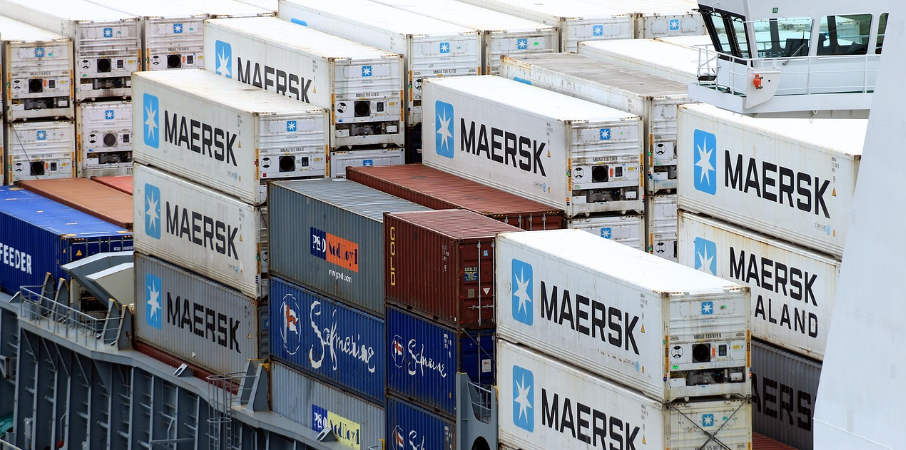
In the fast-moving world of global commerce, misunderstandings about responsibilities and costs can quickly derail a deal. That’s where Incoterms come in. These standardized trade rules, created to simplify international transactions, define who does what in the movement of goods—from the seller’s warehouse to the buyer’s doorstep.
Whether a shipment travels across continents or just across a border, Incoterms provide clarity on transportation costs, risk transfer, and logistical duties. While they don’t cover every aspect of a contract, they form a crucial foundation for smooth trade relationships.
Key Highlights
- Incoterms are globally accepted rules used in trade agreements to define responsibilities between buyers and sellers.
- They were first introduced in 1936 and are periodically updated to reflect modern trade practices.
- Different terms apply depending on the method of transportation, including land, air, and sea.
- The latest revision (2020) refined certain rules and clarified cost responsibilities, especially regarding security and insurance.
- Choosing the right Incoterm is a negotiation decision, as preferences vary depending on risk tolerance and logistics expertise.

What Are Incoterms?
Incoterms—short for International Commercial Terms—are a set of predefined rules used in trade contracts. They outline the obligations of buyers and sellers, including who pays for shipping, who handles customs, and when responsibility for goods shifts from one party to another.
For example, if a manufacturer in Nairobi sells goods to a retailer in Lisbon, Incoterms help determine who pays for freight, who arranges insurance, and who handles import duties. Without these rules, each contract would require lengthy explanations, increasing the risk of confusion or disputes.
Some Incoterms apply to all modes of transport, while others are specific to sea and inland waterway shipping.
Why Incoterms Matter
Imagine two companies from different countries entering a trade agreement. They may speak different languages, operate under different legal systems, and follow different business norms. Incoterms act as a shared language, reducing ambiguity and ensuring both parties understand their responsibilities.
They are commonly used in:
- Purchase agreements
- Shipping documentation
- Export/import declarations
- Freight contracts
Even though using Incoterms is optional, they are widely adopted because they streamline negotiations and reduce legal complexity.
Core Incoterms for Any Mode of Transport
There are seven Incoterms that apply regardless of how goods are transported. These include:
- CIP (Carriage and Insurance Paid to)
- CPT (Carriage Paid to)
- DAP (Delivered at Place)
- DPU (Delivered at Place Unloaded)
- DDP (Delivered Duty Paid)
- EXW (Ex Works)
- FCA (Free Carrier)
Each term assigns different responsibilities to buyers and sellers. Let’s look at a few examples:
Delivered at Place Unloaded (DPU)
Under this term, the seller is responsible for transporting goods to a specified destination and unloading them. Once the goods are unloaded, the buyer takes over responsibility.
Example: A textile exporter in Dhaka ships fabrics to a warehouse in Madrid and covers all costs until the goods are unloaded at the facility.
Delivered Duty Paid (DDP)
This is one of the most seller-heavy terms. The seller handles nearly everything—transport, export clearance, import duties, and delivery to the final destination.
Example: An electronics supplier in Seoul delivers products directly to a retailer in Toronto, covering all costs including customs duties.
Ex Works (EXW)
At the opposite end, EXW places minimal responsibility on the seller. The seller simply makes goods available at their premises, and the buyer handles everything else.
Example: A buyer arranges pickup, shipping, insurance, and customs for machinery collected from a factory in Milan.
Incoterms for Sea and Inland Waterway Transport
Some Incoterms are specifically designed for maritime trade. These include:
- CFR (Cost and Freight)
- CIF (Cost, Insurance, and Freight)
- FAS (Free Alongside Ship)
- FOB (Free on Board)
These terms are commonly used for bulk goods like oil, grain, or raw materials transported by ship.
Free on Board (FOB)
The seller is responsible for delivering goods onto a vessel. Once loaded, the buyer assumes all risks and costs.
Example: A cocoa exporter loads goods onto a ship in Abidjan; from that point, the buyer takes responsibility for transport and insurance.
Cost, Insurance, and Freight (CIF)
The seller pays for shipping and insurance up to the destination port, but risk transfers to the buyer once the goods are loaded on the vessel.
Example: A coffee supplier in Colombia ships beans to Hamburg, covering freight and insurance until arrival, while the buyer manages unloading and onward transport.
What Incoterms Do Not Cover
While Incoterms are extremely useful, they are not a complete contract. They leave out several critical elements, including:
- The exact description and price of goods
- Payment terms and timelines
- Transfer of ownership (title)
- Penalties for late delivery
- Dispute resolution mechanisms
- Legal liability for defective goods
Because of these limitations, businesses must supplement Incoterms with detailed contractual clauses. Relying solely on them can lead to gaps that may cause legal or financial complications.
Evolution: From 2010 to 2020
Incoterms are updated periodically to keep pace with global trade developments. The transition from the 2010 to the 2020 version introduced a few notable changes:
- DAT renamed to DPU: The term “Delivered at Terminal” was broadened to “Delivered at Place Unloaded,” allowing for more flexibility in delivery locations.
- Insurance requirements adjusted: The level of insurance required under certain terms, particularly CIP, was increased.
- Own transport recognized: The newer rules account for scenarios where buyers or sellers use their own vehicles instead of third-party carriers.
- Security costs clarified: Responsibilities for security-related expenses, especially during customs procedures, were more clearly defined.
Despite these updates, the overall structure remained consistent, with 11 total terms.
Benefits of Using Incoterms
The biggest advantage of Incoterms is clarity. By standardizing complex logistics responsibilities, they reduce misunderstandings and streamline negotiations.
Other benefits include:
- Global consistency: Businesses across different countries can rely on the same definitions.
- Time savings: Less need for lengthy contract explanations.
- Reduced legal costs: Fewer disputes mean less reliance on legal intervention.
- Flexibility: Parties can choose terms that suit their needs.
Drawbacks to Consider
Despite their usefulness, Incoterms are not perfect.
- Preference conflicts: Buyers and sellers may favor different terms based on their interests.
- Cost exposure: Some terms can place disproportionate financial risk on one party.
- Incomplete coverage: They do not address all aspects of a transaction.
For example, a seller might prefer CIF because they control shipping arrangements, while a buyer might prefer FOB to maintain control over logistics. These differences can complicate negotiations.
Are Older Versions Still Valid?
Yes, earlier versions like the 2010 rules can still be used, provided both parties explicitly agree to them in writing. However, it’s important to specify the version in the contract to avoid confusion.
The Full List of Incoterms
There are 11 recognized Incoterms:
- CIP (Carriage and Insurance Paid to)
- CPT (Carriage Paid to)
- CFR (Cost and Freight)
- CIF (Cost, Insurance, and Freight)
- DAP (Delivered at Place)
- DPU (Delivered at Place Unloaded)
- DDP (Delivered Duty Paid)
- EXW (Ex Works)
- FAS (Free Alongside Ship)
- FCA (Free Carrier)
- FOB (Free on Board)
Each serves a specific purpose depending on the nature of the transaction and the level of responsibility each party is willing to accept.
Why Businesses Rely on Incoterms
In international trade, clarity is everything. Incoterms eliminate guesswork, making it easier for businesses to collaborate across borders. They also help prevent costly disputes by clearly defining who is responsible for each stage of the shipping process.
However, they are not a one-size-fits-all solution. Companies must carefully choose terms that align with their operational capabilities and risk tolerance.
Final Thoughts
Incoterms play a vital role in global trade by creating a shared framework for buyers and sellers. They simplify complex logistics, reduce misunderstandings, and support smoother transactions across borders.
That said, they are only one piece of the puzzle. A well-structured contract should go beyond Incoterms to address pricing, payment, liability, and legal protections. When used correctly, Incoterms are not just helpful—they are essential tools for navigating the complexities of modern commerce.