
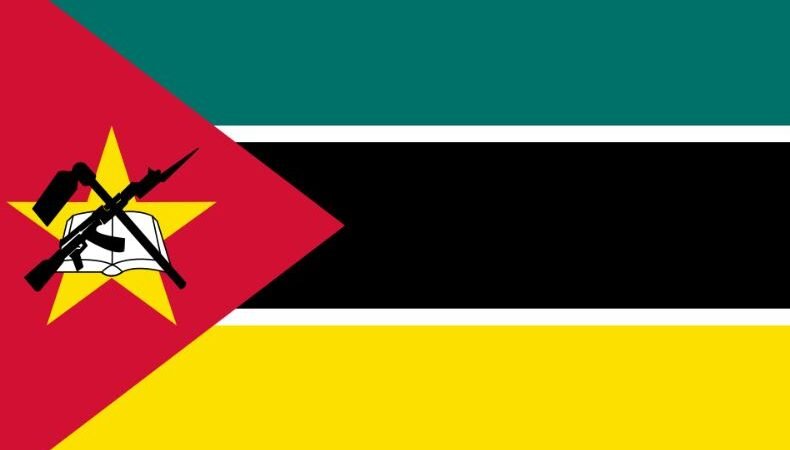
Investing in Mozambique provides access to emerging opportunities across natural gas, agriculture, mining, renewable energy, infrastructure, logistics, tourism, manufacturing, and consumer services. The country combines a long Indian Ocean coastline with strategically important ports serving both its domestic economy and several landlocked Southern African markets.
From our perspective as business investment advisers, Mozambique should be approached as a long-term frontier market rather than a destination for rapid, low-risk returns. Its resource base, demographic growth, regional connectivity, and infrastructure requirements present a compelling commercial proposition. However, successful investment requires comprehensive due diligence, realistic financial planning, dependable local relationships, regulatory compliance, and an informed understanding of regional operating conditions.
Mozambique Investment Snapshot
Capital: Maputo
Population: Approximately 33–34 million
Official business language: Portuguese
Currency: Mozambican Metical
Government: Presidential republic
Economic structure: Agriculture, natural resources, transport, construction, trade, and services
Principal commercial centres: Maputo, Matola, Beira, Nampula, Nacala, and Pemba
Major ports: Maputo, Beira, and Nacala
High-potential sectors: Natural gas, agriculture, mining, logistics, renewable energy, infrastructure, tourism, telecommunications, and financial services
Regional market access: Southern African Development Community and neighbouring inland economies
Core investor advantages: Natural resources, maritime access, transport corridors, agricultural land, youthful population, and infrastructure demand
Main commercial risks: Regulatory complexity, foreign-exchange constraints, regional insecurity, infrastructure gaps, climate exposure, and administrative delays
Why Invest in Mozambique?
Mozambique’s location is one of its strongest commercial advantages. The country borders Tanzania, Malawi, Zambia, Zimbabwe, South Africa, and Eswatini, while its coastline extends for more than 2,400 kilometres along the Indian Ocean. This gives businesses access to important shipping routes and allows Mozambique to function as a maritime gateway for inland Southern Africa.
The country also possesses significant offshore natural gas deposits, hydropower capacity, mineral resources, agricultural land, fisheries, and tourism assets. These resources can support investment not only in extraction but also in processing, transport, maintenance, professional services, industrial development, and local supply chains.
Mozambique’s young and expanding population is expected to increase demand for food, housing, healthcare, education, energy, financial products, digital services, and consumer goods. Investors that enter the market with a long-term strategy may therefore benefit from both domestic demand and regional trade opportunities.
Mozambique’s Economic and Commercial Environment
Agriculture continues to employ a large share of the population and remains central to rural incomes and food security. Important crops include cassava, maize, sugar, cotton, tobacco, coconuts, and cashew nuts. Yet productivity is constrained by limited irrigation, mechanisation, storage capacity, financing, transport, and access to reliable markets.
Extractive industries and large infrastructure projects attract considerable foreign investment, but Mozambique’s wider economic transformation will depend on the growth of labour-intensive sectors. Agro-processing, manufacturing, construction, logistics, tourism, retail, and business services will be essential for generating employment and broadening the tax base.
Maputo is the leading corporate and financial centre, while Beira is strategically important for central transport networks. Nampula and Nacala provide access to northern markets, agriculture, mining, and maritime trade. Pemba has potential in tourism, fisheries, energy support services, and northern commercial activity, although security considerations must be evaluated carefully.
High-Potential Business Opportunities in Mozambique
Natural Gas and Energy Services
Mozambique possesses some of Africa’s largest offshore natural gas discoveries, creating opportunities throughout the energy value chain. Beyond liquefied natural gas production, investors may find demand for marine services, engineering, construction, accommodation, transport, equipment supply, security, environmental management, catering, workforce training, and technical maintenance.
Energy projects remain highly capital-intensive and sensitive to security, financing, commodity prices, and government policy. Companies entering this sector should conduct enhanced political, environmental, contractual, and community-impact assessments.
Agriculture and Agro-Processing
Agriculture offers some of Mozambique’s most inclusive investment opportunities. Commercial prospects exist in irrigation, agricultural machinery, certified seeds, fertiliser distribution, livestock production, aquaculture, warehousing, cold-chain logistics, packaging, food processing, and export development.
Rather than focusing exclusively on primary production, investors should consider value-added activities that reduce post-harvest losses and strengthen market access. Processing cashew nuts, fruit, sugar, grains, oils, seafood, and other products locally can improve margins while creating employment.
Ports, Transport and Logistics
Mozambique’s transport corridors connect resource-producing and agricultural areas with regional and international markets. The Port of Maputo supports trade involving South Africa and Eswatini, while the Beira Corridor serves countries including Zimbabwe, Malawi, and Zambia. Nacala provides a strategically important northern gateway and access to one of the region’s notable natural deep-water harbours.
These corridors support investment opportunities in freight forwarding, customs services, trucking, railway operations, port services, warehouses, inland terminals, supply-chain technology, cargo handling, and industrial property. Their importance is likely to increase as regional trade and infrastructure investment expand.
Mining and Mineral Processing
Mozambique has commercial deposits of graphite, coal, heavy mineral sands, gemstones, and other resources. Opportunities extend beyond mining licences to geological services, equipment leasing, processing, transport, worker accommodation, environmental rehabilitation, and technical consulting.
Investors should assess licensing requirements, export infrastructure, community relations, environmental obligations, commodity-price exposure, and local-content expectations before committing capital.
Renewable Energy and Hydropower
Mozambique has considerable potential in hydropower, solar energy, wind projects, mini-grids, and off-grid electricity systems. The Cahora Bassa facility already demonstrates the country’s importance within regional electricity markets.
Commercial opportunities include power generation, transmission infrastructure, rural electrification, solar equipment distribution, battery storage, energy-efficiency services, and electricity solutions for farms, mines, tourism facilities, and industrial users.
Manufacturing and Industrial Development
Mozambique imports many manufactured and processed goods, creating opportunities for businesses that can produce competitively within the country. Potential areas include construction materials, food and beverage production, packaging, household products, agricultural inputs, furniture, textiles, and basic industrial components.
Industrial projects located near ports, transport corridors, urban markets, or designated economic zones may benefit from stronger infrastructure and easier access to suppliers and export routes.
Tourism and Hospitality
Mozambique’s beaches, islands, coral reefs, marine life, wildlife areas, and historical sites provide a strong foundation for tourism. The Bazaruto and Quirimbas archipelagos offer potential for premium resorts, diving, conservation tourism, and marine recreation. Ilha de Moçambique, a UNESCO World Heritage Site, reflects the country’s African, Arab, Asian, and Portuguese history.
Investment opportunities include hotels, eco-lodges, restaurants, tour operations, domestic aviation, marina services, cultural tourism, and hospitality training. Sector growth will depend on security, transport connectivity, destination marketing, environmental protection, and service quality.
Digital Services and Telecommunications
A youthful population and expanding urban centres are increasing demand for mobile connectivity, digital payments, e-commerce, software, cybersecurity, business-process services, and technology-enabled education.
Businesses capable of delivering affordable digital products outside the largest cities may be particularly well positioned. Partnerships with telecommunications operators, banks, retailers, and public institutions can help overcome infrastructure and customer-acquisition challenges.
Healthcare, Education and Skills Development
Population growth is increasing demand for clinics, diagnostics, pharmaceuticals, medical equipment, vocational training, private education, and workforce-development services.
Investors may also support the skills requirements of the energy, agriculture, logistics, tourism, construction, and mining sectors. Practical training linked to employer demand can create both commercial value and measurable social impact.
How to Start a Business in Mozambique
Foreign investors generally need to establish an appropriate legal structure, reserve and register the company name, prepare incorporation documents, obtain tax identification, secure the relevant commercial licence, register employees, and complete any sector-specific approvals.
The exact process depends on the company’s activities, ownership structure, investment size, and proposed location. Regulated industries such as energy, mining, banking, insurance, telecommunications, tourism, fisheries, and transport may require additional authorisations.
Mozambique’s 2023 Private Investment Law establishes the general framework for qualifying domestic and foreign private investment, including access to legal protections and applicable fiscal or non-fiscal incentives. Investors seeking formal investment benefits should engage the Investment and Export Promotion Agency and obtain current professional guidance before making binding commitments.
Practical Market-Entry Steps
A disciplined entry strategy should include:
Conducting commercial, financial, legal, tax, political, security, and environmental due diligence.
Selecting the most appropriate corporate structure for the proposed activity.
Confirming whether foreign ownership restrictions or local participation rules apply to the sector.
Registering the business and obtaining the necessary tax, operating, labour, municipal, and sector licences.
Reviewing rules governing foreign exchange, dividend transfers, imported capital, and profit repatriation.
Evaluating land-use requirements because land arrangements differ from conventional freehold ownership systems.
Assessing local-content, employment, procurement, and training expectations.
Establishing internal controls addressing anti-corruption, procurement, conflicts of interest, and third-party relationships.
Developing a community-engagement plan where operations affect local land, livelihoods, natural resources, or public infrastructure.
Foreign Ownership and Local Partnerships
Many commercial activities may be undertaken through companies with foreign ownership, although restrictions or special conditions can apply in regulated and strategically sensitive sectors. Investors should not assume that one ownership rule applies across the entire economy.
Even where a local shareholder is not legally required, a credible Mozambican partner may provide valuable market knowledge, stakeholder access, language capability, distribution networks, and regulatory understanding. Partnerships should nevertheless be subjected to detailed background checks, clear governance arrangements, written performance expectations, and enforceable dispute-resolution provisions.
Investment Incentives and Special Economic Zones
Mozambique offers fiscal and customs incentives for qualifying investments, although benefits vary by sector, project size, location, and investment category. Potential advantages may include customs and value-added-tax relief on eligible capital equipment, investment tax credits, accelerated depreciation, and sector-specific corporate tax treatment.
Additional arrangements may be available for projects in agriculture, fisheries, manufacturing, basic infrastructure, rural commerce, tourism, industrial development, special economic zones, and industrial free zones. Mozambique introduced an updated investment framework in 2023, and regulations governing economic and industrial free zones have continued to evolve. Eligibility should therefore be verified directly with the relevant authorities and qualified advisers rather than treated as automatic.
Investors should evaluate incentives alongside commercial fundamentals. A tax concession cannot compensate for weak demand, unreliable logistics, inadequate management, or an unsuitable project location.
Labour, Language and Human Capital
Portuguese is the principal language of government administration, contracts, licensing, and formal business communication. Investors without internal Portuguese-language capability should retain qualified translators, legal advisers, and local managers.
Mozambique has a large youthful workforce, but specialised technical and managerial skills can be limited in certain sectors. Businesses may need to invest in structured recruitment, technical training, supervisory development, health and safety systems, and succession planning.
Foreign-worker permits and immigration procedures should be assessed before expatriate employees are assigned. Investors should also review labour quotas, employment contracts, social security obligations, payroll taxes, working-time rules, termination procedures, and collective labour arrangements.
Land, Infrastructure and Site Selection
Land access is a major consideration for agriculture, mining, tourism, infrastructure, and industrial projects. Investors should conduct legal and community due diligence before accepting any land-related arrangement. Historical use, customary rights, environmental restrictions, resettlement issues, and local consultation requirements can materially affect a project.
Site selection should also consider proximity to roads, railways, ports, power, water, telecommunications, employees, suppliers, and customers. A location with lower land costs may become more expensive if logistics and utility constraints are not assessed properly.
Key Risks of Doing Business in Mozambique
Regulatory and Administrative Risk
Investors may encounter complex procedures, inconsistent implementation, approval delays, or changing sector rules. Local legal and tax support is essential, particularly for licensing, customs, employment, land access, and regulated industries.
Foreign-Exchange and Financing Risk
Foreign-currency availability and exchange-rate movements can affect imports, debt servicing, dividends, and the repatriation of earnings. Financial models should include currency stress testing and realistic assumptions concerning payment timing.
Security Risk
Security conditions differ significantly across the country. Parts of northern Mozambique, particularly areas affected by insurgent activity, require enhanced security planning. Investors should obtain current location-specific advice rather than applying a single national risk assessment.
Infrastructure Risk
Although Mozambique has important ports and corridors, road, power, water, storage, and telecommunications infrastructure remain uneven. Businesses should assess the cost of backup generation, private transport, maintenance, and alternative supply routes.
Climate and Environmental Risk
Cyclones, floods, droughts, coastal erosion, and other climate events can disrupt operations and supply chains. Infrastructure design, insurance, emergency planning, and climate-resilient agricultural practices should form part of investment preparation.
Governance and Compliance Risk
Companies must maintain strong anti-bribery, procurement, accounting, and third-party controls. Enhanced checks may be required when working with agents, politically exposed persons, customs intermediaries, public institutions, or government-linked enterprises.
Community and Social Risk
Projects involving land, natural resources, employment, or relocation can face opposition when consultation is inadequate. Early engagement, transparent communication, grievance procedures, and fair community-benefit arrangements can reduce conflict and project delays.
Recommended Investment Strategy
From our advisory perspective, investors should enter Mozambique gradually and build their market knowledge before committing substantial capital. A representative office, distribution arrangement, pilot operation, strategic partnership, or limited regional launch may provide valuable insight before full-scale expansion.
Businesses should prioritise projects that solve clear market problems, strengthen local value chains, create employment, and reduce dependence on imports. Commercial models that rely solely on anticipated future infrastructure or government commitments should be subjected to extensive scenario analysis.
Mozambique rewards patient investors that combine financial discipline with strong stakeholder relationships. Reliable execution, local management capability, compliance, and adaptability are likely to be more important than market-entry speed.
Frequently Asked Questions About Investing in Mozambique
Is Mozambique a Good Country for Investment?
Mozambique offers significant long-term opportunities in natural gas, agriculture, logistics, mining, energy, tourism, and infrastructure. However, it is a frontier market with regulatory, currency, security, and operational risks. Its suitability depends on the investor’s sector, location, time horizon, and risk tolerance.
What Are the Best Business Opportunities in Mozambique?
Promising areas include agro-processing, agricultural inputs, renewable energy, transport and logistics, construction materials, mining services, tourism, digital finance, healthcare, vocational education, and energy-support services.
Can Foreigners Own Companies in Mozambique?
Foreign ownership is permitted in many sectors, but regulated activities may carry special licensing, participation, or local-content requirements. Sector-specific legal advice should be obtained before incorporation.
Is a Local Partner Required?
A local shareholder is not universally required across all sectors. However, a trustworthy local partner can provide commercial knowledge, distribution capacity, language skills, and stakeholder relationships. Investors should conduct full due diligence before entering any partnership.
What Language Is Used for Business?
Portuguese is the official language and is used in government processes, contracts, licences, and formal correspondence. Local languages are also important for community engagement and consumer-facing operations.
Does Mozambique Offer Investment Incentives?
Qualifying projects may receive tax, customs, depreciation, or sector-specific benefits. Incentives depend on the investment category, sector, location, and prevailing legislation and must be formally approved.
Which Ports Are Most Important for Investors?
Maputo, Beira, and Nacala are the principal commercial gateways. Each serves different domestic and regional markets, making location selection an important part of supply-chain planning.
What Are the Main Risks for Foreign Investors?
The main concerns include administrative complexity, foreign-exchange pressures, infrastructure limitations, security conditions in parts of the north, climate exposure, compliance risk, and shortages of specialised skills.
How Can Investors Find Reliable Local Partners?
Investors should use professional networks, industry associations, chambers of commerce, financial institutions, investment authorities, embassies, and established advisory firms. Background checks, reference verification, beneficial-ownership reviews, and written governance arrangements remain essential.
How Important Is Due Diligence?
Due diligence is critical. It should cover company ownership, litigation, licences, tax compliance, financial capacity, political exposure, reputation, land rights, environmental obligations, and relationships with public officials.
Investment Outlook for Mozambique
Mozambique’s investment case rests on more than natural gas. Its ports, agricultural resources, youthful population, regional corridors, hydropower potential, mineral deposits, and growing demand for essential services provide multiple paths for economic development.
The market is not without significant challenges. Investors must be prepared for complex administration, uneven infrastructure, currency pressures, regional security differences, and climate-related disruption. Nevertheless, companies that adopt a patient, well-governed, and locally responsive approach can establish strong long-term positions.
As business investment advisers, we view Mozambique as a market where detailed preparation can create a meaningful competitive advantage. Successful investors will be those that combine commercial ambition with responsible operations, local capacity building, rigorous compliance, and durable partnerships.
Speak to Our Mozambique Investment Advisory Team
Businesses considering market entry, expansion, partnership development, company formation, sector research, or investment due diligence in Mozambique should seek professional support before committing resources.
Our advisory approach helps investors evaluate market potential, identify suitable sectors, assess local partners, understand regulatory requirements, manage risk, and develop practical entry strategies tailored to their commercial objectives.