

Niger is viewed as a country of long-term strategic importance despite its current political and economic challenges. Its location at the heart of the Sahel, substantial uranium reserves, expanding young population, and growing demand for infrastructure position it as a market that warrants careful observation. While the investment environment requires prudent risk management, investors with a long-term outlook may find opportunities in sectors aligned with the country’s development priorities.
Strategic Market Overview
Niger occupies a critical geographic position linking West Africa with North Africa. This strategic location enhances its relevance for regional trade, logistics, and cross-border commerce. Niamey serves as the country’s political and commercial centre, while economic activity is concentrated largely in the southern regions where agriculture, trade, and population density are highest.
The country’s economy remains heavily dependent on agriculture, livestock, and mining. Uranium continues to be a major export earner, while gradual investment in energy, transport, and agricultural value chains could broaden economic diversification over time.
Investment Fundamentals
From our assessment, Niger’s greatest competitive advantages lie in its natural resources and demographic profile. The country possesses globally significant uranium deposits, considerable solar energy potential, and extensive agricultural land in suitable climatic zones. Additionally, one of the world’s youngest populations offers the possibility of a sizeable future labour force if supported by improvements in education, vocational training, and job creation.
These structural strengths provide a foundation for long-term economic expansion, although they remain dependent on sustained policy reforms and institutional stability.
Key Sectors Worth Monitoring
Mining remains the country’s most established investment sector, particularly uranium production. However, opportunities also exist in supporting industries such as engineering services, logistics, equipment maintenance, and mining infrastructure.
Agriculture presents another area of potential. Investments that improve irrigation, storage facilities, mechanisation, livestock productivity, and food processing could contribute significantly to food security while generating commercial returns.
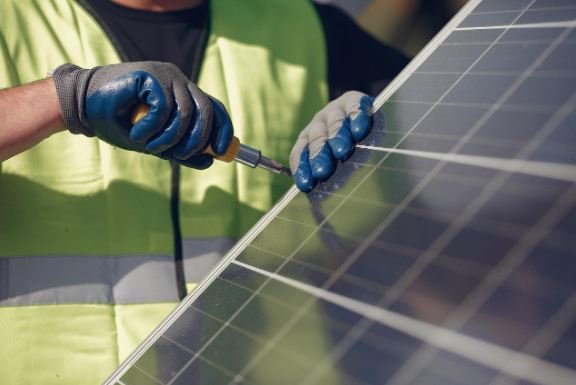
Renewable energy deserves increasing attention. Niger benefits from abundant sunshine throughout the year, creating favourable conditions for utility-scale and off-grid solar projects capable of expanding electricity access and supporting industrial development.
Transport infrastructure, warehousing, digital connectivity, and financial inclusion also represent sectors that could benefit from continued public and private investment.
Investment Risks
Our advisory assessment indicates that Niger should currently be regarded as a high-risk frontier market. Political transition, evolving regulatory frameworks, regional security concerns, and infrastructure limitations all require comprehensive due diligence before capital commitments are made.
Climate-related risks also deserve careful consideration. Frequent droughts, desertification, and changing rainfall patterns directly affect agricultural production and rural livelihoods. Investors should therefore prioritise projects that incorporate environmental resilience and sustainable resource management.

Political and Governance Outlook
Niger is presently governed by a military-led transitional administration. Future investment confidence will largely depend on progress toward political stability, strengthened public institutions, improved regulatory certainty, and transparent governance.
International relations and regional cooperation will also influence investor sentiment, particularly regarding trade access, development financing, and cross-border infrastructure initiatives.
Human Capital and Consumer Market
Although Niger remains one of the world’s fastest-growing populations, this demographic trend presents both opportunities and challenges. Rising population growth expands future consumer demand and labour availability, but also increases pressure on education systems, healthcare services, housing, and employment.
Investors focusing on consumer goods, financial services, telecommunications, education, healthcare, and workforce development should monitor demographic trends alongside improvements in purchasing power and urbanisation.
Regional Importance
Niger’s position within the Sahel makes it strategically relevant beyond its domestic economy. The country plays an important role in regional security, migration management, and trade corridors connecting multiple African markets.
From an investment perspective, improvements in transport infrastructure and regional integration could significantly enhance Niger’s attractiveness as a logistics and commercial gateway.
Our Investment Outlook
Our overall assessment is that Niger should be viewed as a long-term opportunity rather than a short-term investment destination. The country’s abundant natural resources, favourable geographic position, renewable energy potential, and youthful population create meaningful prospects for future growth. Nevertheless, these opportunities must be evaluated alongside political, security, governance, and climate-related risks.
For institutional investors, development finance institutions, and companies with frontier market expertise, Niger merits continued monitoring. Successful market entry will depend on disciplined risk assessment, strong local partnerships, careful regulatory compliance, and investment strategies that support sustainable economic development while delivering commercial value.
Key Questions and Answers about Investing Niger
Why should investors pay attention to Niger?
Niger has strategic value because of its uranium reserves, youthful population, solar energy potential, and location between West and North Africa.
Is Niger suitable for short-term investment?
Niger is generally better suited to patient investors with strong risk-management capacity than those seeking quick or predictable returns.
Which sector is most established in Niger?
Mining is the most developed investment sector, with uranium serving as one of the country’s main exports and sources of foreign revenue.
What opportunities exist beyond mining?
Potential can be found in agriculture, livestock, renewable energy, logistics, warehousing, digital services, financial inclusion, and infrastructure.
Why is solar energy attractive in Niger?
The country receives abundant sunlight, making solar power suitable for national grids, rural communities, businesses, and off-grid energy projects.
How can investors benefit from agriculture?
Investment in irrigation, mechanisation, storage, food processing, and livestock services could reduce losses, improve food security, and create revenue.
What are the main investment risks?
Political uncertainty, insecurity, limited infrastructure, regulatory changes, climate pressure, and restricted access to finance are major concerns.
How important is political stability?
Political stability is essential because it affects investor confidence, regulation, regional trade, development finance, and long-term business planning.
What role does Niger’s population play?
Its rapidly growing young population could expand the workforce and consumer market, but employment, education, and skills development must improve.
Can Niger become a regional trade hub?
Its geographic location provides strong potential, although better roads, border systems, storage facilities, and regional cooperation are required.
What should investors do before entering Niger?
They should conduct detailed due diligence, assess security conditions, understand regulations, build trusted local partnerships, and prepare contingency plans.
What is the overall investment outlook?
Niger offers meaningful long-term potential, but opportunities should be approached with patience, local knowledge, disciplined planning, and realistic risk expectations.