

Imagine you are evaluating a mid-sized manufacturing firm in Kumasi, Ghana. On the surface, the company appears stable—it has recognizable products, a loyal customer base, and steady revenue. But a deeper look reveals subtle cracks: shrinking cash reserves, rising debt, and sudden leadership exits. These are not random occurrences. They are signals.
Understanding how to identify these signals early is essential for investors, suppliers, employees, and even customers. Financial distress rarely appears overnight. It develops gradually, leaving clues in financial statements, audit reports, and operational behavior. Learning to interpret these clues can help you avoid costly mistakes.
What Financial Distress Really Means
Financial distress occurs when a company struggles to meet its financial obligations. This may include difficulty paying suppliers, servicing loans, or covering operating costs. It is not limited to failing companies—many firms experience temporary distress due to economic changes, poor management decisions, or rapid expansion.
For example, consider a logistics startup in Nairobi that expands aggressively across East Africa. Despite growing revenue, it accumulates heavy debt and faces delayed payments from clients. Eventually, its cash inflows cannot keep up with outflows. This imbalance is the essence of financial distress.
If left unchecked, distress can lead to restructuring, asset sales, or even bankruptcy.
Reading Financial Statements for Warning Signs
Financial statements are often the first place where trouble becomes visible. They provide a structured view of a company’s financial health, particularly through cash flow, profitability, and balance sheet strength.
Persistent Negative Cash Flow
One of the clearest indicators of distress is ongoing negative cash flow. This occurs when a company consistently spends more cash than it generates. While occasional negative cash flow may happen during expansion, prolonged deficits are dangerous.
Take the example of a retail chain in Lagos that invests heavily in new outlets. While sales increase, cash collections lag behind expenses such as rent and salaries. Over time, the company begins to rely on borrowing just to stay operational.
Negative operating cash flow suggests the business cannot sustain itself without external funding—a major red flag.
Weakening Cash Position
Even profitable companies can run into trouble if their cash reserves decline. Monitoring changes in cash balances over time is crucial. A shrinking cash cushion means the company has less flexibility to handle unexpected expenses or downturns.
For instance, a tech firm in Cape Town may report strong profits but show declining cash due to delayed receivables. This mismatch can strain daily operations.

Deteriorating Working Capital
Working capital measures the difference between current assets and current liabilities. When liabilities grow faster than assets, working capital becomes negative. This often indicates that the company is struggling to manage short-term obligations.
A construction company in Abuja, for example, may delay payments to suppliers while waiting for clients to settle invoices. Over time, this imbalance can damage supplier relationships and disrupt operations.
The Pressure of Debt
Debt can be a powerful growth tool—but it becomes dangerous when it overwhelms a company’s finances.
Rising Interest Burden
Companies under stress often face higher borrowing costs because lenders perceive them as risky. Increased interest payments reduce profitability and strain cash flow further.
Imagine a transport company in Dar es Salaam that takes on high-interest loans to replace its fleet. If revenue does not increase proportionally, interest expenses can quickly consume earnings.
Understanding the Debt-to-Equity Ratio
The debt-to-equity (D/E) ratio is a key measure of financial risk. It compares total debt to shareholders’ equity, showing how much of the company is financed through borrowing.
A high D/E ratio suggests that the company relies heavily on debt, making it vulnerable during downturns. In contrast, a lower ratio indicates a more balanced financial structure.
If a manufacturing firm in Accra shows a rapidly increasing D/E ratio over several quarters, it may signal that the company is taking on excessive debt to cover operational gaps.
Audit Reports: Hidden Warnings in Plain Sight
Many people overlook audit reports, but they can reveal critical insights about a company’s condition.
Going Concern Warnings
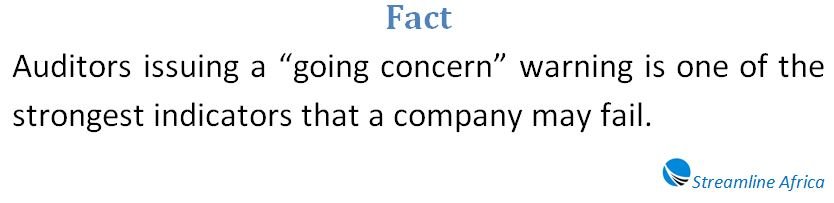
Auditors sometimes express doubt about a company’s ability to continue operating. This is known as a “going concern” warning. It is one of the most serious red flags, indicating that the company may not survive without significant changes.
Accounting Irregularities
If auditors highlight inconsistencies in revenue recognition or cost reporting, it suggests potential mismanagement or even manipulation. These issues undermine trust and can lead to legal consequences.
Changes in Auditors
Frequent auditor changes should raise concern. While there may be legitimate reasons, sudden replacements can indicate disagreements over financial reporting or deeper problems within the company.
Operational and Strategic Red Flags
Financial data alone does not tell the whole story. Operational and managerial changes often provide additional context.
Sudden Strategic Shifts
When a company abruptly changes its business model, it may be reacting to underlying problems. For instance, a long-established textile company in Addis Ababa shifting into electronics manufacturing could signal declining performance in its core business.
Aggressive Price Cuts
Drastic price reductions can indicate desperation. While discounts may boost short-term sales, they often hurt long-term profitability and brand value.
A supermarket chain in Kigali slashing prices across all categories might be trying to generate quick cash to meet urgent obligations.
Declining Product Quality
Cost-cutting measures often affect quality first. Customers may notice inferior products, delayed services, or poor customer support. These changes can further reduce revenue and accelerate decline.
Leadership and Governance Concerns
Management stability plays a crucial role in a company’s success. Sudden changes at the top can signal trouble.
Executive Departures
When experienced executives or board members leave unexpectedly, it raises questions. While not always negative, such departures often coincide with internal challenges.
For example, if the CEO of a fast-growing fintech firm in Johannesburg resigns abruptly, stakeholders should investigate the reasons behind the decision.
Weak Governance Practices
Poor oversight, lack of transparency, and inconsistent decision-making can worsen financial problems. Strong governance, on the other hand, can help companies navigate difficult periods.
External Factors That Can Trigger Distress
Even well-managed companies can face distress due to external pressures.
Economic Downturns
A recession can reduce consumer spending, affecting revenues across industries. Businesses that rely heavily on discretionary spending are particularly vulnerable.
Increased Competition
The entry of a strong competitor can erode market share. For example, a local telecom provider may struggle when a global brand enters the market with better pricing and technology.
Changing Consumer Behavior
Shifts in customer preferences can render existing products obsolete. Companies that fail to adapt quickly may lose relevance.
How Companies Can Recover
Recovery from financial distress is possible, but it requires decisive action.
Cost Control and Efficiency
Reducing unnecessary expenses is often the first step. This may involve streamlining operations, renegotiating contracts, or downsizing.
Debt Restructuring
Companies can negotiate with lenders to extend repayment terms or reduce interest rates. This can provide breathing room to stabilize operations.
Improving Cash Flow
Faster collection of receivables, better inventory management, and strategic pricing can help improve cash flow.
Strategic Refocus
Returning to core strengths and abandoning unprofitable ventures can restore stability.
Why Monitoring Matters
The most important lesson is that warning signs rarely appear in isolation. A single issue may not indicate distress, but a combination of factors often does.
Investors, employees, and business partners should regularly review financial statements, monitor industry trends, and stay alert to operational changes. Early detection allows for timely decisions—whether that means exiting an investment, renegotiating terms, or seeking alternative opportunities.
Final Thoughts
Financial distress is not always dramatic or obvious. It often begins quietly, with small imbalances that grow over time. By paying close attention to financial ratios like cash flow trends and debt levels, as well as non-financial signals such as management changes and market dynamics, you can identify risks before they escalate.
Whether you are analyzing a company in Accra, Nairobi, or beyond, the principles remain the same: stay informed, ask questions, and never ignore the warning signs.
Important Questions and Answers
What is financial distress in simple terms?
Financial distress happens when a company cannot generate enough income or cash to meet its obligations, such as paying debts, suppliers, or operating expenses.
Why is cash flow more important than profit?
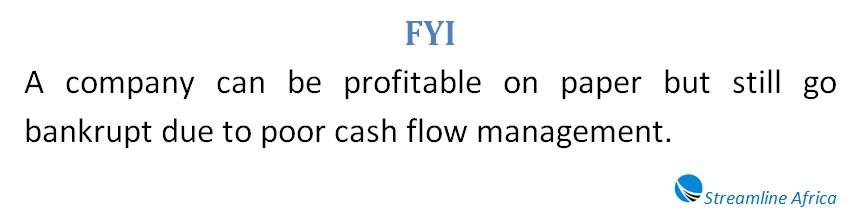
A company can report profits but still run out of cash. Cash flow shows whether the business has actual money available to sustain daily operations.
What does negative cash flow indicate?
Consistent negative cash flow suggests the company is spending more than it earns, which may lead to liquidity problems and potential failure if not corrected.
How does the debt-to-equity ratio signal risk?
A high debt-to-equity ratio means the company relies heavily on borrowed funds, increasing the risk of default, especially during economic downturns.
Can profitable companies still be in trouble?
Yes, even profitable companies can face distress if they have poor cash management, delayed payments, or excessive debt obligations.
What should you look for in audit reports?
Pay attention to warnings about accounting inconsistencies or doubts about the company’s ability to continue operating (“going concern” issues).
Why is a change in auditors a red flag?
Frequent or sudden auditor changes may indicate disagreements over financial reporting or deeper internal problems.
How do operational changes reveal distress?
Sudden strategy shifts, aggressive pricing, or declining product quality often signal that a company is struggling to stay competitive or generate cash.
What role does management play in financial health?
Strong leadership helps navigate challenges, while sudden executive departures may indicate instability or hidden problems.
How do external factors affect financial stability?
Economic downturns, increased competition, and changing consumer behavior can significantly impact revenue and profitability.
What can companies do to recover from distress?
They can cut costs, restructure debt, improve cash flow, and refocus on core business activities to regain stability.