
Overview of Libya’s Investment Landscape
Libya occupies a strategic position along the Mediterranean coast, connecting North Africa with Europe, the Middle East, and Sub-Saharan Africa. Although the country has faced years of political instability following civil conflict, gradual improvements in security and governance have renewed interest from international investors. As conditions continue to stabilize in several regions, Libya is once again being viewed as a market with considerable long-term potential.
Our investment advisory team has closely monitored Libya’s economic, political, and commercial developments over the years. The country’s economy remains heavily dependent on hydrocarbons, yet it possesses significant untapped opportunities across renewable energy, infrastructure, logistics, agriculture, tourism, and manufacturing. For investors prepared to carefully assess operational and political risks, Libya offers opportunities that could become increasingly attractive as reforms progress.
Economic performance has fluctuated in recent years due primarily to interruptions in oil production. Temporary shutdowns of oil facilities caused a contraction in national output during 2024. However, expectations for improved production levels have strengthened forecasts for economic recovery, with renewed expansion anticipated as oil exports normalize. Beyond the immediate recovery, moderate but sustainable growth is expected provided political stability continues to improve.
Economic Drivers and Growth Outlook
Oil remains the dominant contributor to Libya’s economy, government revenue, and export earnings. The country possesses some of Africa’s largest proven petroleum reserves, giving it an important role in regional and international energy markets. Existing oil infrastructure has largely survived years of conflict, allowing production to recover relatively quickly whenever security conditions improve.
While hydrocarbons will continue to generate substantial revenue for decades, long-term economic resilience will depend on reducing reliance on a single industry. Diversification has therefore become one of Libya’s most important economic priorities.
The country’s reconstruction process presents substantial demand for engineering services, construction materials, transportation equipment, telecommunications, utilities, and financial services. As damaged infrastructure is repaired and expanded, investment opportunities are likely to emerge across both public and private sectors.
Renewable Energy Offers Untapped Potential
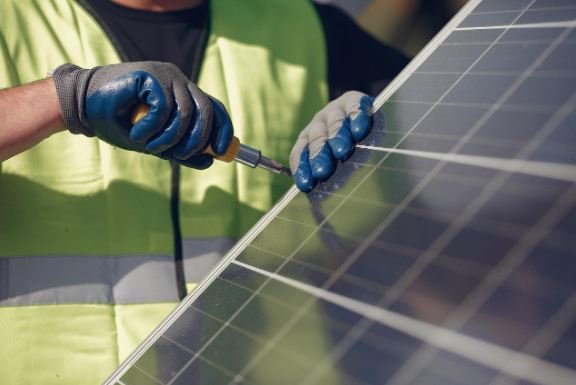
Despite its global reputation as an oil producer, Libya possesses exceptional conditions for renewable energy development. Vast desert landscapes receive abundant sunshine throughout the year, creating ideal conditions for large-scale solar power generation.
Neighboring North African countries have already invested heavily in renewable energy, demonstrating the commercial viability of solar projects across the region. Libya has similar natural advantages but remains significantly underdeveloped in this sector.
Growing domestic electricity demand, combined with the need to diversify energy sources, makes renewable power generation an attractive long-term investment opportunity. Future solar projects could help reduce pressure on conventional energy infrastructure while creating additional export opportunities if regional electricity integration expands.
Expanding Opportunities Beyond Energy
Several non-oil industries have the potential to contribute significantly to Libya’s economic diversification.
Agriculture remains underdeveloped despite opportunities for modernization through irrigation improvements, greenhouse farming, food processing, and agricultural technology. Livestock production also offers room for productivity gains as supply chains improve.
Tourism represents another promising sector. Libya possesses extensive Mediterranean coastline, Roman archaeological sites, desert landscapes, and unique cultural heritage that could attract international visitors once security conditions improve sufficiently.
Manufacturing may also expand as reconstruction increases domestic demand for cement, steel, construction materials, consumer products, and industrial equipment.
Logistics deserves particular attention due to Libya’s geographic position. Modern deep-water ports combined with improved transportation infrastructure could transform the country into an important trade gateway connecting Europe with African markets.
Major Investment Opportunities
Several sectors stand out for investors evaluating future entry into Libya.
The energy industry will remain attractive because of the country’s vast petroleum reserves and ongoing investment requirements throughout exploration, production, maintenance, logistics, and supporting services.
Infrastructure rehabilitation offers equally significant prospects. Roads, bridges, airports, hospitals, schools, water systems, electricity networks, and telecommunications infrastructure require substantial rebuilding and modernization after years of underinvestment and conflict-related damage.
Renewable energy development continues to represent one of the country’s least exploited opportunities. Investors specializing in solar technology, battery storage, and grid modernization could benefit from growing demand for cleaner and more reliable electricity generation.
If political reconciliation continues, logistics, shipping, and port development may also experience strong growth, leveraging Libya’s location on key Mediterranean shipping routes.
Principal Business Risks
Despite encouraging opportunities, Libya remains a high-risk investment destination that requires careful planning and robust risk management.
Political fragmentation continues to create uncertainty. Competing governing authorities and differing administrative systems complicate regulatory oversight, licensing, taxation, and policy implementation. The absence of fully unified national institutions increases uncertainty for both domestic and foreign investors.
Security conditions also vary considerably across different regions. Although violence has declined compared with previous years, armed groups continue to operate in certain areas, creating operational and personnel security concerns.
Businesses should also anticipate administrative delays, evolving regulations, inconsistent enforcement, and challenges associated with obtaining permits or government approvals.
Infrastructure limitations remain another operational obstacle. Damage to transportation networks, utilities, and public services can increase project costs and extend implementation timelines.
Establishing a Business in Libya
Foreign investors should carefully evaluate available legal structures before entering the Libyan market.
Property ownership remains highly restricted for non-Libyan individuals and foreign-owned companies. Consequently, many international firms operate through long-term lease agreements, strategic partnerships with domestic businesses, or authorized investment zones where alternative arrangements may be available.
In certain circumstances, foreign investors may establish wholly owned limited liability companies, provided they satisfy applicable investment thresholds and regulatory requirements. Selecting the appropriate corporate structure requires detailed legal and financial assessment, making experienced local legal counsel an essential component of market entry planning.
Investment Incentives and Regulatory Considerations
The Libyan government has introduced several measures intended to encourage foreign direct investment and stimulate private-sector growth.
Eligible investment projects may benefit from temporary tax relief, including exemptions from corporate income tax during the initial years of operation. Additional tax incentives may apply to business restructuring, mergers, corporate reorganizations, and qualifying investment activities.
However, incentives should be evaluated alongside regulatory complexity. Licensing procedures, compliance requirements, and administrative practices may differ depending on the region in which an investment is located. Comprehensive due diligence before committing capital remains essential.
Business Culture and Commercial Practices
Successful business relationships in Libya depend heavily on trust, personal interaction, and cultural understanding.
Arabic serves as the country’s primary business language. International companies that lack Arabic-speaking personnel should engage qualified interpreters or bilingual professionals during negotiations and regulatory processes.
Libyan business executives generally value direct communication, straightforward negotiations, and relationship-building before concluding commercial agreements. Patience and flexibility are important when navigating administrative procedures that may take longer than anticipated.
Companies should also maintain comprehensive security protocols for employees and assets, particularly when operating outside major commercial centers. Continuous monitoring of local conditions remains an important element of responsible business operations.
Market Outlook
Libya represents one of North Africa’s highest-risk yet potentially highest-reward investment destinations. Its abundant natural resources, strategic geographic location, reconstruction requirements, and expanding diversification agenda create considerable long-term commercial potential.
Continued recovery in oil production will support economic growth in the near term, while infrastructure rebuilding and renewable energy development offer broader opportunities for investors seeking future expansion. Nevertheless, political reconciliation, stronger institutions, and sustained improvements in security will remain essential for unlocking the country’s full investment potential.
Organizations willing to combine careful risk assessment with a long-term strategic perspective may find Libya to be an increasingly attractive market as stability and economic reforms continue to advance.
Libya Business Opportunities: Important Questions and Answers
What makes Libya an attractive investment destination?
Libya offers significant opportunities due to its vast oil reserves, strategic Mediterranean location, abundant solar energy potential, and growing demand for infrastructure reconstruction.
Which sector contributes the most to Libya’s economy?
The oil and gas industry remains the country’s primary economic driver, accounting for most export earnings and government revenue.
Why is Libya’s economy expected to recover?
Improved oil production, gradual political stabilization, and ongoing reconstruction projects are expected to support economic growth in the coming years.
What opportunities exist outside the energy sector?
Promising sectors include renewable energy, agriculture, livestock, logistics, tourism, construction, telecommunications, and manufacturing.
Why is solar energy considered a major investment opportunity?
Libya enjoys abundant sunshine throughout the year, making it highly suitable for large-scale solar power projects and future renewable energy expansion.
What are the biggest risks for investors?
Political divisions, security concerns, inconsistent regulations, infrastructure gaps, and administrative delays remain the country’s primary business risks.
Can foreigners own land in Libya?
In general, foreign individuals and companies cannot directly own real estate, making leasing arrangements and local partnerships the preferred business structures.
Are there incentives for foreign investors?
Yes. Libya offers various investment incentives, including temporary tax exemptions and other benefits for qualifying investment projects.
Why is Libya important for regional trade?
Its location along the Mediterranean Sea and access to deep-water ports position Libya as a potential logistics and trade gateway connecting Africa, Europe, and the Middle East.
What should businesses consider before entering the Libyan market?
Investors should conduct comprehensive due diligence, understand regional regulations, obtain experienced legal advice, and implement strong security measures.
How important is business culture in Libya?
Building trust, respecting local customs, communicating effectively in Arabic or through interpreters, and developing long-term relationships are essential for business success.
What is Libya’s long-term economic outlook?
If political stability continues to improve, Libya has strong potential to diversify beyond oil and become an attractive destination for investment across multiple industries.