

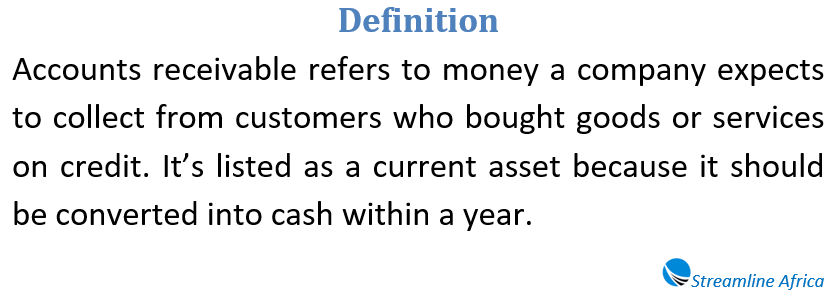
Accounts receivable represent the money a business expects to receive from customers who purchased goods or services on credit. While it appears as a current asset on the balance sheet, it does not signify immediate cash in hand. Instead, it reflects the company’s confidence that these customers will fulfill their payment obligations within a specified period. For investors and business owners alike, understanding accounts receivable is essential because it provides insight into a company’s liquidity, efficiency, and credit management practices.
However, not all receivables are guaranteed to be collected. Some customers may delay or default on payments, affecting both short-term cash flow and long-term profitability. Therefore, analyzing how a business manages its receivables can reveal much about its financial health, operational discipline, and ability to sustain growth.
The Role of Accounts Receivable on the Balance Sheet
On a company’s balance sheet, accounts receivable (often abbreviated as AR) represents the total amount owed by customers for sales made on credit. This figure increases when a sale is made but payment has not yet been received. In accounting terms, the company records a debit to the accounts receivable account and a credit to its revenue account. Once the customer pays, the balance shifts—cash increases, and accounts receivable decreases.
For example, imagine a company named GreenLeaf Manufacturing that sells GHS 200,000 worth of agricultural machinery to a local distributor under 60-day credit terms. At the point of sale, GreenLeaf records the amount as a receivable. When the distributor pays after 60 days, GreenLeaf reclassifies that amount as cash. This process shows how credit sales flow through the accounting system and eventually convert to liquid assets—assuming payment is received on time.

Why Accounts Receivable Are Considered Valuable Assets
Receivables are classified as current assets because they are expected to be converted into cash within a year. They represent legally enforceable claims from customers, giving the company the right to collect payment. A business with strong receivables management typically enjoys predictable cash inflows and maintains a good relationship with its clients.
However, having high receivables isn’t automatically a sign of success. A company may report large amounts of money owed to it, but if those debts are not collected promptly, it could face liquidity issues. In contrast, excessively low receivables may suggest that the company’s credit terms are too strict, discouraging potential buyers and limiting sales growth.
A healthy business strikes a balance—it extends enough credit to attract customers but maintains firm collection policies to protect its cash flow.
When Receivables Become Risky
Not all customers pay on time, and some may never pay at all. When receivables remain unpaid for too long, they begin to lose value. Companies must then estimate which of their outstanding debts are unlikely to be collected and record these expected losses in a special account called the allowance for doubtful accounts.
For instance, if GreenLeaf Manufacturing realizes that a few distributors have declared bankruptcy or are consistently late on payments, it must recognize that portion of receivables as potentially uncollectible. This accounting adjustment provides a more realistic view of the company’s actual assets and prevents inflated earnings on paper.
Uncollected receivables, if left unmanaged, can disrupt a company’s operations. A shortage of cash can make it difficult to pay suppliers, employees, or taxes, leading to further financial stress. This is why auditors and investors carefully examine the size and movement of a company’s receivables and its allowance for doubtful accounts when assessing its financial reliability.
Interpreting Accounts Receivable from an Investor’s Perspective
For investors, accounts receivable are more than just numbers on a balance sheet—they tell a story about how a company manages its customer relationships and financial discipline. A sudden increase in receivables might suggest higher sales, but it could also indicate lenient credit policies or inefficiencies in collecting payments.
Investors should compare receivables against cash reserves and total sales. If receivables rise faster than sales or cash, it could be a warning sign that the company is struggling to collect what it is owed. On the other hand, a company with stable or decreasing receivables relative to sales likely has strong credit management systems in place.
Another key indicator is the allowance for doubtful accounts. A significant rise in this figure signals that the company may be extending credit to higher-risk customers. This does not always mean the business is failing—it could be part of a strategy to capture new markets—but it does warrant further analysis.
Measuring Collection Efficiency: The Accounts Receivable Turnover Ratio
One of the most widely used tools to evaluate how efficiently a company collects its debts is the accounts receivable turnover ratio. This ratio measures how many times during a period a business converts its receivables into cash. It is calculated by dividing the total net credit sales by the average accounts receivable balance.
For example, if a company records GHS 1.2 million in net credit sales over a year and maintains an average accounts receivable balance of GHS 200,000, its turnover ratio would be six. This means the company collects its receivables roughly six times a year, or once every two months.
A higher turnover ratio suggests efficient credit management and prompt collections, while a lower ratio may indicate payment delays or poor follow-up procedures. Industry standards vary, so investors often compare a company’s ratio against its peers to gauge competitiveness.
Balancing Growth and Liquidity
Credit sales can drive business growth by attracting more customers, especially in competitive industries where flexible payment options are valued. However, extending too much credit too easily can tie up capital in unpaid invoices. A business that looks profitable on paper may face real cash flow shortages, preventing it from investing in operations or meeting short-term obligations.
Financially sound companies manage this trade-off by setting clear credit policies, conducting background checks on new clients, and offering early payment incentives. They also monitor aging reports to identify overdue accounts quickly. These measures ensure that while sales grow, liquidity is not compromised.
For investors, observing how a company balances credit growth and cash conversion is critical. A well-managed accounts receivable cycle often signals disciplined financial planning and lower default risk—two qualities every investor values.
The Connection Between Receivables and Cash Flow
Receivables directly influence a company’s cash flow. Even if sales figures are high, delayed payments can leave a company short of liquid funds. A consistent mismatch between reported profits and actual cash inflows could indicate poor credit management or customer solvency problems.
Cash flow statements often reveal this tension. An increase in accounts receivable without a corresponding rise in cash flow from operations usually signals that customers are taking longer to pay. In extreme cases, it can push a company to borrow just to cover operational expenses.
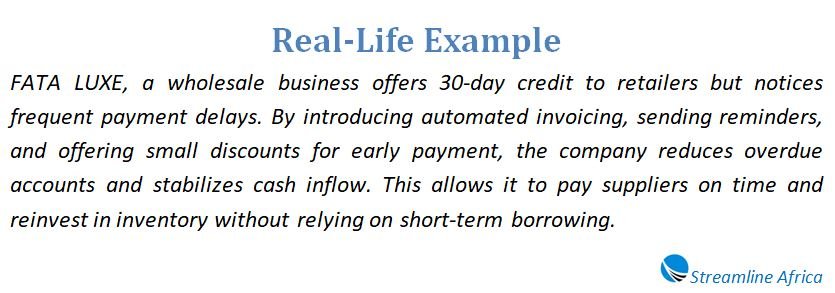
Conversely, a business with timely collections will enjoy a steady stream of cash that supports reinvestment, expansion, and shareholder returns.
Conclusion
Accounts receivable reflect a company’s ability to manage credit and maintain healthy cash flow. They serve as both a growth tool and a potential risk factor, depending on how effectively they are handled. For investors, it is not enough to see a large receivable figure—they must understand its quality, turnover, and collectability.
Ultimately, strong accounts receivable management demonstrates that a company not only sells effectively but also converts those sales into real money. Whether viewed through the lens of an investor, accountant, or manager, receivables tell an important story about financial discipline, liquidity strength, and the overall stability of a business.
Frequently Asked Questions
Why Are Accounts Receivable Important to a Business?
They represent future cash inflows that help fund daily operations, pay expenses, and support growth. Effective management ensures steady liquidity and reduces the need for borrowing.
How Do Accounts Receivable Affect Cash Flow?
High receivables with delayed payments can strain cash flow, even if sales are strong. Companies must collect payments quickly to maintain financial stability.
What Is the Allowance for Doubtful Accounts?
It’s an estimate of receivables that may never be collected. This adjustment gives a realistic view of a company’s assets and protects against overstating income.

What Does a High Level of Receivables Indicate?
It could mean strong sales or lenient credit policies. However, if customers take too long to pay, it might signal poor credit control or cash flow problems.
What Does a Low Level of Receivables Suggest?
Low receivables may indicate strict credit terms that discourage buyers. It could also show that the company is collecting payments efficiently and limiting credit risks.
How Do Investors Evaluate Accounts Receivable?
Investors compare receivables to cash and total sales to gauge collection efficiency. They also monitor the allowance for doubtful accounts to assess credit risk.
What Is the Accounts Receivable Turnover Ratio?
This ratio measures how quickly a company collects its debts. A higher ratio means faster collections and stronger credit management, while a lower ratio signals inefficiency.
How Can Businesses Improve Receivable Collection?
Firms can tighten credit policies, send timely reminders, offer discounts for early payments, and regularly review customer creditworthiness.
Why Are Receivables a Sign of Financial Health?
Efficient receivables management reflects disciplined operations, reliable cash flow, and trustworthy customer relationships—all signs of a financially healthy business.