
Running a business—whether in a busy district of Accra or a growing commercial hub like Nairobi—demands structure, especially when it comes to buying goods or services. Without a clear system, even routine purchases can spiral into confusion, delays, or financial mismanagement. This is where purchase orders become indispensable.
A purchase order, often referred to as a PO, is more than just a document—it is a formal communication tool that ensures both buyer and supplier operate with clarity and accountability. It outlines exactly what is being requested, under what terms, and within what timeframe. By using purchase orders effectively, businesses create a transparent procurement process that minimizes risk and strengthens operational efficiency.
This guide walks you through the concept of purchase orders, how they differ from invoices, the various types available, and why adopting them—especially in digital form—can transform your purchasing workflow.
Defining a Purchase Order and Its Role
At its core, a purchase order is an official request issued by a buyer to a supplier, indicating the intention to purchase specific goods or services. Once the supplier agrees to the terms outlined in the PO, it becomes a legally enforceable agreement between both parties.
Think of it as a structured promise. Before any goods are delivered or services rendered, the PO ensures that every detail is documented and agreed upon.
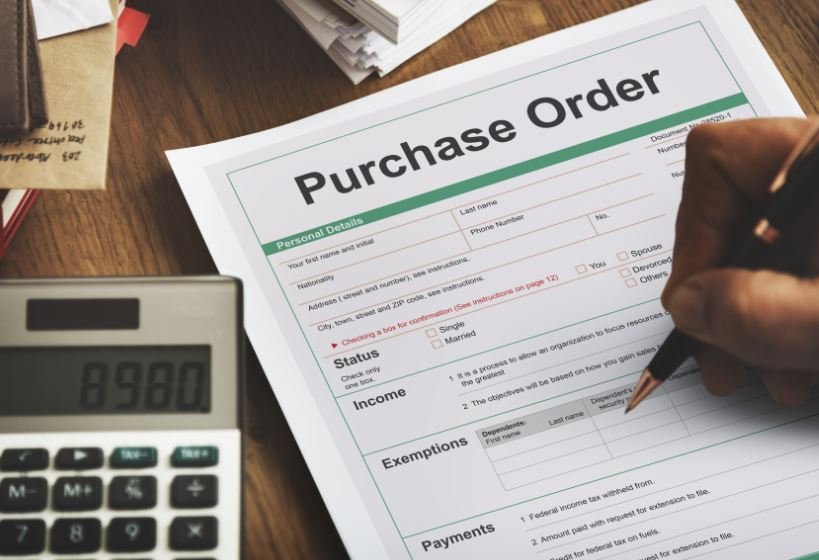
A well-prepared purchase order typically includes several critical elements:
- A unique reference number that allows the transaction to be tracked easily
- Details of both the buyer and the supplier, including names, addresses, and contact information
- A clear description of the items or services being requested, along with quantities and agreed pricing
- Payment terms that define when and how the buyer will settle the bill
- Delivery instructions specifying timelines and locations
For example, imagine Ama runs a furniture startup in Kumasi. Before sourcing wood from a supplier in Takoradi, she creates a purchase order that clearly outlines the type of timber needed, quantity, price per unit, and delivery expectations. This ensures both parties are aligned before any transaction begins.
Purchase Orders Versus Invoices: Clearing the Confusion
A common misunderstanding in business transactions is the assumption that purchase orders and invoices serve the same purpose. While they are closely related, they function at entirely different stages of the procurement cycle.
A purchase order is initiated by the buyer before any goods or services are delivered. Its purpose is to confirm the details of the intended purchase and establish agreement between both parties.
An invoice, on the other hand, is issued by the supplier after the goods have been delivered or services completed. It acts as a request for payment based on the previously agreed terms.
To put it simply, the purchase order starts the transaction, while the invoice concludes it.
Consider Kojo, who manages a catering business in Cape Coast. When he needs bulk food supplies, he sends a purchase order to his vendor outlining the items and quantities required. After the delivery is completed, the vendor sends an invoice requesting payment for those goods. Each document plays a distinct but complementary role in ensuring a smooth transaction.
What a Purchase Order Looks Like in Practice
To better understand how purchase orders work, let’s explore a practical scenario.
Zuri owns a fashion label in Lagos and is preparing for a seasonal launch. She needs to order custom-dyed fabrics from a textile supplier. Instead of relying on informal communication, she creates a purchase order that captures every detail of the transaction.
The document begins with administrative information such as the purchase order number and the date it was issued. It then lists the supplier’s billing details alongside Zuri’s business information, including the delivery address.
Next comes the logistics section, which specifies the expected delivery date, shipping method, and responsibilities for transportation costs or damages.
The most detailed part of the PO outlines the order itself. This includes the name of the fabric, its specifications such as texture and color, the quantity required, and the price per unit. Each item is calculated to show line totals, followed by an overall cost summary that includes applicable taxes.
Finally, the document defines payment terms—for instance, payment due within 30 days of delivery.
By structuring the order this way, Zuri ensures there is no ambiguity. The supplier knows exactly what is expected, and Zuri has a clear record of the agreement.
Different Types of Purchase Orders
Not all purchase orders are created equal. Businesses use different types depending on their operational needs and the nature of their supplier relationships.
A standard purchase order is the simplest and most commonly used. It is ideal for one-time purchases where all details—such as quantity, price, and delivery date—are known upfront. For instance, a startup office in Abuja ordering desks and chairs for immediate use would rely on this type.
A planned purchase order is more flexible. While it outlines expected purchases, the exact delivery dates or quantities may remain tentative. This is particularly useful for businesses that need to forecast demand without committing to a fixed schedule. A supermarket chain estimating monthly restocking needs might adopt this approach.
Blanket purchase orders are designed for recurring transactions. They allow businesses to agree on pricing and terms with a supplier over a defined period, while placing orders incrementally as needed. For example, a printing company in Kigali sourcing paper throughout the year can use a blanket PO to avoid repetitive paperwork.
Contract purchase orders provide the highest level of flexibility. They establish a long-term relationship with a supplier without specifying exact purchase details. This is common in industries like construction, where material needs vary from project to project. A firm in Johannesburg working on multiple building sites may rely on this arrangement to maintain a steady supplier partnership.
Choosing the right type of purchase order depends on how frequently purchases are made, the level of certainty involved, and the nature of supplier agreements.
Why Purchase Orders Matter for Businesses
Purchase orders are not just administrative tools—they are strategic assets that support financial discipline and operational clarity.
For buyers, they serve as a safeguard against overspending. By requiring approval before a purchase is made, POs help businesses stick to budgets and avoid unnecessary expenses. They also create a reliable record of transactions, making it easier to track spending patterns and prepare for audits.
Additionally, purchase orders strengthen supplier relationships. When expectations are clearly documented, suppliers are more likely to deliver accurately and on time. This reduces the likelihood of disputes and fosters trust between both parties.
For suppliers, purchase orders offer reassurance. They act as formal confirmation that the buyer intends to pay for the goods or services provided. This reduces uncertainty and improves cash flow planning.
They also enhance operational efficiency. With clear instructions in place, suppliers can manage inventory more effectively and process orders faster. This leads to smoother transactions and quicker payments.
Moving Toward Digital Purchase Orders
As businesses expand, managing purchase orders manually can become increasingly difficult. Paper-based systems are prone to errors, delays, and misplaced documents, all of which can disrupt operations.
Digital purchase orders offer a smarter alternative. By automating the creation and management of POs, businesses can significantly reduce administrative workload and improve accuracy. Orders can be generated quickly, tracked in real time, and stored securely for future reference.
Imagine a logistics company in Accra handling dozens of supplier orders daily. By adopting a digital PO system, the company can monitor every transaction from a central dashboard, ensuring nothing slips through the cracks.
Digital tools also enhance collaboration with suppliers. Updates can be shared instantly, reducing delays and ensuring that both parties remain aligned throughout the procurement process.
In addition, businesses gain valuable insights from digital records. By analyzing purchasing data, they can identify trends, negotiate better pricing, and make more informed decisions.
Building a More Efficient Purchasing System
Ultimately, purchase orders bring structure to the way businesses acquire goods and services. They reduce uncertainty, improve communication, and provide a clear framework for financial management.
Whether you are running a small enterprise or overseeing a large organization, adopting a well-organized purchase order system can make a significant difference. And as digital solutions become more accessible, streamlining your procurement process is easier than ever.
By embracing purchase orders—not just as documents but as strategic tools—you position your business for greater efficiency, stronger partnerships, and long-term success.
Commonly Asked Questions about Purchase Order
Why are purchase orders important in business?
They bring structure and clarity to transactions, helping businesses avoid confusion, control spending, and maintain accurate financial records.
How is a purchase order different from an invoice?
A purchase order is sent before a transaction to confirm details, while an invoice is sent after delivery to request payment.
When does a purchase order become legally binding?
It becomes legally binding once the supplier accepts it, meaning both parties are obligated to follow the agreed terms.
What key details should a purchase order include?
It should contain a unique order number, buyer and supplier information, item descriptions, quantities, prices, payment terms, and delivery details.
Can small businesses benefit from using purchase orders?
Yes, even small businesses gain better financial control, improved record-keeping, and stronger supplier relationships by using POs.
What is a standard purchase order used for?
It’s used for one-time purchases where all details—such as price, quantity, and delivery—are clearly defined upfront.
How do blanket purchase orders simplify operations?
They allow businesses to make repeated purchases from a supplier under agreed terms without creating a new PO each time.
What role do purchase orders play in budgeting?
They help prevent overspending by requiring approvals before purchases are made, ensuring expenses stay within planned limits.
Why are digital purchase orders becoming popular?
They automate processes, reduce paperwork, minimize errors, and allow real-time tracking, making procurement faster and more efficient.