
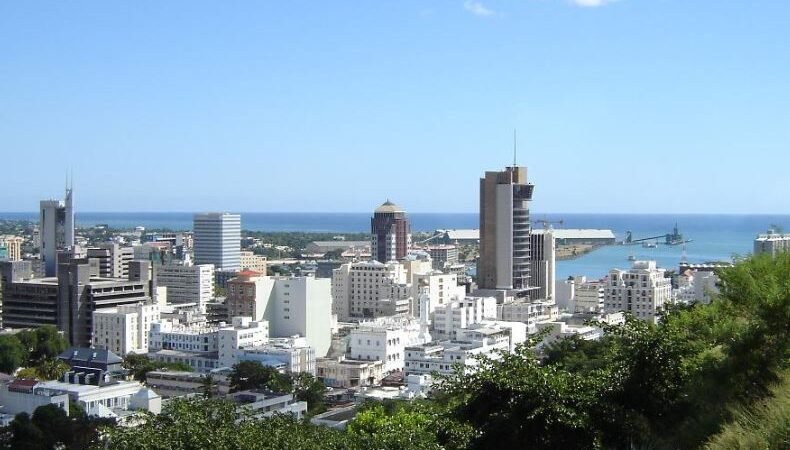
Mauritius has developed into one of Africa’s most credible business, financial, and investment jurisdictions. Located in the Indian Ocean, the country has transformed from a sugar-dependent economy into a diversified commercial platform supported by financial services, tourism, manufacturing, technology, and international trade.
From an investment advisory perspective, Mauritius offers a comparatively stable operating environment, a well-established legal system, skilled human capital, and strong links to African, Asian, and European markets. Although its domestic market is small, the country’s value lies in its ability to serve as a regional base for companies, investors, fund managers, and professional service providers pursuing cross-border opportunities.
Market Overview
Port Louis is the administrative, financial, and commercial center of Mauritius. The country has a population of approximately 1.3 million and operates under a parliamentary republican system. English is the official language of administration, while French and Mauritian Creole are commonly used in business and daily communication.
Mauritius is classified as an upper-middle-income economy and has built a broad economic base. Key sectors include financial and professional services, tourism, export manufacturing, information and communication technology, seafood processing, logistics, and ocean-related activities.
Its strongest commercial advantages include political continuity, institutional reliability, international connectivity, and a workforce capable of supporting both traditional industries and knowledge-based services.
Investment Proposition
Mauritius is particularly attractive to investors seeking a structured platform for regional expansion. The country has positioned itself as a location for investment holding, corporate administration, fund management, business outsourcing, and regional headquarters functions.
Its commercial framework is supported by experienced legal, accounting, banking, tax, and advisory professionals. This ecosystem reduces some of the operational complexity that companies may encounter when entering multiple African markets.
Investors should, however, avoid treating Mauritius solely as a tax or corporate structuring jurisdiction. Its long-term value depends on genuine economic activity, appropriate governance, regulatory compliance, and a clearly defined regional strategy.

Governance and Institutional Strength
Political stability remains central to Mauritius’s investment appeal. Since independence in 1968, the country has maintained regular elections, peaceful transfers of power, and comparatively strong public institutions.
The judiciary, civil service, and regulatory authorities provide a relatively predictable foundation for commercial decision-making. Contract enforcement, property rights, and administrative processes are generally more reliable than in many emerging markets, although investors must still undertake detailed legal and regulatory due diligence.
This institutional consistency has encouraged long-term investment and enabled gradual policy reform without severe political disruption.
Priority Sectors for Investors
Financial services remain one of Mauritius’s most important industries. Opportunities exist across banking, insurance, wealth management, investment administration, fintech, compliance services, and professional advisory support.
Tourism also continues to offer significant potential. Beyond luxury resorts, opportunities are emerging in wellness travel, eco-tourism, cultural tourism, conference services, hospitality technology, and specialized visitor experiences.
Manufacturing remains relevant, particularly in textiles, apparel, food production, seafood processing, and higher-value export activities. Companies that combine local production with access to regional and international markets may find Mauritius especially attractive.
Technology, business process outsourcing, digital services, renewable energy, healthcare, education, logistics, and the blue economy also present opportunities for strategic investors.
Human Capital and Operating Environment
Mauritius benefits from a literate, multilingual, and culturally adaptable workforce. Its population reflects African, Indian, Chinese, and European heritage, creating a diverse business environment with strong international orientation.
The country’s education system has supported the growth of professional services, information technology, finance, and hospitality. However, specialized skills shortages may arise in highly technical fields, requiring employers to invest in training, talent development, or selective international recruitment.
Labor costs may also be higher than in some lower-income African markets. Investors must therefore compete through productivity, service quality, innovation, and access to regional markets rather than relying on low-cost labor alone.
Market Entry Considerations
Companies entering Mauritius should begin with a clear assessment of their commercial purpose. A business focused on the local consumer market will require a different strategy from one using Mauritius as a regional investment or service platform.
Market-entry planning should include regulatory approvals, licensing requirements, ownership structures, taxation, banking arrangements, recruitment, and sector-specific compliance. Investors should also determine whether a local partnership, subsidiary, representative office, or regional headquarters structure best supports their objectives.
Strong local advisory support is essential, particularly where operations involve financial services, cross-border investments, regulated industries, or international tax arrangements.
Risks and Constraints
Mauritius remains exposed to several structural risks. Its small population limits domestic market scale, while its island location increases dependence on imported goods, maritime transport, and international supply chains.
The economy is also sensitive to external shocks affecting tourism, trade, energy prices, and global financial flows. Climate change, coastal erosion, and pressure on marine ecosystems create additional long-term risks.
Regulatory expectations are becoming increasingly demanding, particularly in financial services, taxation, data protection, and corporate transparency. Businesses must maintain strong governance and compliance systems to protect their reputation and operating position.
Strategic Outlook
Mauritius offers investors a combination of stability, connectivity, institutional quality, and sector diversification that remains uncommon across the region. Its strongest potential lies not in market size, but in its ability to support international business, regional investment, and high-value services.
For companies with a disciplined market-entry strategy, Mauritius can provide a credible platform for accessing Africa and the wider Indian Ocean economy. Success will depend on selecting the right operating model, meeting regulatory standards, developing local capabilities, and aligning investment decisions with the country’s evolving economic priorities.
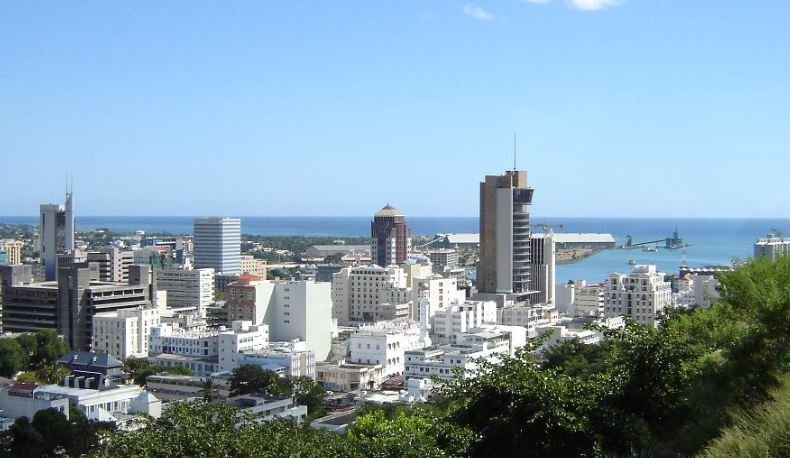
Investing in Mauritius – Key Takeaways
A Stable Gateway into African Markets
Mauritius offers investors a politically stable and commercially reliable base for accessing opportunities across Africa and the wider Indian Ocean region.
A Diversified and Resilient Economy
The country has moved beyond its traditional dependence on sugar by developing strong industries in finance, tourism, manufacturing, technology, and professional services.
Strong Institutions Support Investor Confidence
Mauritius benefits from established legal structures, effective public institutions, regular elections, and relatively predictable regulatory processes.
Financial Services Remain a Core Strength
Banking, insurance, investment management, fintech, compliance, and corporate advisory services continue to position Mauritius as a leading regional financial centre.
Tourism Offers Broader Investment Potential
Opportunities extend beyond luxury resorts into wellness travel, eco-tourism, cultural experiences, hospitality technology, conferences, and specialised tourism services.
A Skilled and Multilingual Workforce
The country’s educated and culturally diverse population supports industries requiring professional, technical, financial, technological, and customer-service capabilities.
Market Size Requires a Regional Strategy
Mauritius has a relatively small domestic population, making it most attractive to businesses that plan to serve regional or international customers.
Technology and Outsourcing Are Growing
Digital services, business process outsourcing, fintech, software development, and information technology are becoming increasingly important areas of economic growth.
Investors Must Prioritise Compliance
Companies operating in Mauritius must maintain strong standards in taxation, corporate governance, data protection, financial regulation, and business transparency.
Structural Risks Require Careful Planning
Dependence on imports, global tourism, maritime transport, international finance, and external energy markets can expose the economy to global disruptions.
Success Depends on the Right Entry Model
Investors should carefully assess whether a subsidiary, partnership, regional headquarters, service centre, or investment structure best supports their commercial objectives.