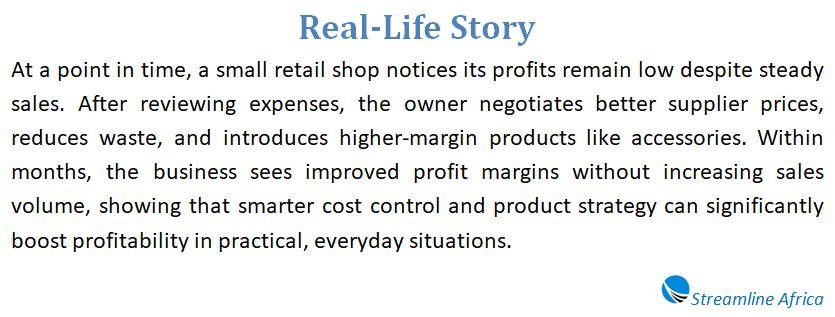
Increasing revenue is often a top goal for businesses, but boosting profit margins can sometimes deliver even greater benefits. Higher margins mean you earn more from every sale, which can fuel growth without the pressure of chasing higher volumes. Whether you run a small shop, a service-based company, or a growing brand, learning how to increase profitability through smarter strategies will strengthen your bottom line.
Focus on High-Margin Products and Services
Not all products or services bring equal profit. Some generate a higher return than others, even if they sell less frequently. Prioritizing these high-margin items can have an immediate impact on overall profitability.
For example, a café might make more money on specialty drinks than on regular coffee. By training staff to recommend those higher-margin options and promoting them prominently on the menu, the café can increase profits without raising foot traffic.
Phasing out low-margin products frees up resources for items that deliver better returns. Review your product mix regularly, and consider promoting those items that bring the most value to your business. Remember the 80/20 principle: often, 80% of your profits come from just 20% of your offerings.

Pricing Strategies to Increase Profit Margins
Raising prices is one of the most direct ways to boost profitability. Many businesses fear losing customers, but when done strategically, small and regular price increases—around 2% to 5%—are often more acceptable to customers than sudden large hikes.
If you sell in price-sensitive markets, you don’t have to raise prices across all products. Instead, keep your best-selling or “essential” items competitively priced, while increasing prices on add-ons, premium upgrades, or lesser-known products. For instance, a hardware store could keep nails and screws at market price but raise margins on specialty tools or accessories where customers are less likely to compare prices.
Reducing Supply and Operating Costs
Lowering the cost of supply is another powerful way to improve margins. This doesn’t mean cutting corners—it means finding smarter ways to operate.
- Reassess suppliers every couple of years to ensure you’re getting the best deal.
- Buy in bulk if it secures discounts and you have space to store goods.
- Explore overseas suppliers if they provide equal quality at lower costs.
- Take advantage of early payment discounts to reduce expenses.
- Invest in inventory systems that reduce theft and minimize waste.
For example, a clothing retailer that switched to bulk ordering its packaging saved 15% annually, which directly improved its profit margins.
Target More Profitable Customers
Who you sell to can be just as important as what you sell. Customers who value quality, convenience, or reliability are often willing to pay more. These clients tend to be less resistant to price increases and may even prefer premium services.
For instance, a landscaping business might move from focusing on budget-conscious households to higher-end clients or commercial contracts that pay more consistently. This shift not only raises margins but also stabilizes cash flow.
Expanding Into New Markets
Sometimes, the best way to find higher-margin customers is by entering new regions or sectors. If your current local market is highly price-sensitive, look for government, corporate, or niche clients who are willing to pay more for specialized offerings.
A small bakery, for example, may sell affordable bread locally but secure far better margins by supplying premium cakes to event planners or hotels.
Encourage Customer Loyalty and Higher Spending
Building stronger relationships with existing customers is often cheaper than finding new ones. Encourage loyal clients to spend more by introducing loyalty programs, bundle deals, or personalized recommendations.
If a regular customer at a salon books more frequent treatments or opts for premium services, the salon’s profit margins increase without needing to attract additional customers. Even small changes in purchase frequency or order size can have a big impact over time.
Streamline Business Operations
Efficiency is key to profitability. Look for ways to cut unnecessary costs and make processes leaner.
- Allow staff to work remotely to reduce office overheads.
- Outsource non-core tasks to reduce fixed expenses.
- Apply lean manufacturing techniques to minimize waste.
- Adopt just-in-time ordering to lower storage costs.
For example, a small manufacturer that streamlined production and reduced material waste by 10% significantly improved margins without raising prices.
Regularly Monitor Profit Margins
Profit margins are never static. Supplier costs, discounts, and operational changes can erode profitability over time. Get into the habit of reviewing your margins regularly, so you can spot and correct issues early.
By making margin reviews part of your ongoing business routine, you’ll stay proactive rather than reactive when challenges arise.

Did You Know?
- Did you know that even a 2% increase in prices across your product range can improve profits by up to 20%, depending on your cost structure?
- Did you know businesses that regularly review suppliers save on average 8–12% compared to those that don’t renegotiate contracts?
- Did you know loyal customers are five times more likely to repurchase and are often less sensitive to small price increases?
Frequently Asked Questions
What is the easiest way to improve profit margins?
The simplest way is to make small, regular price adjustments and reduce waste in operations. Both changes have immediate effects without major investments.
How can small businesses increase profitability without raising prices?
They can focus on cutting supply costs, reducing overhead, improving efficiency, and selling more high-margin products.
What industries typically enjoy higher profit margins?
Industries like software, consulting, luxury goods, and financial services often see higher margins because they rely less on raw materials and more on expertise or brand value.
Should businesses drop low-margin products entirely?
Not always. Some low-margin items bring in customers who later purchase higher-margin products. The key is to strike the right balance.
How often should I review profit margins?
At least quarterly. This ensures you can track creeping costs or pricing pressures and make timely adjustments.
Is raising prices risky for customer loyalty?
If done gradually and strategically, customers often accept small increases, especially if you maintain value and service quality.